
Trusts Lawyers in Columbia
Establishing a comprehensive trust in Columbia protects family wealth, ensures seamless asset succession, and avoids prolonged proceedings in Richland County Probate Court. Skilled trust attorneys draft revocable living trusts, irrevocable asset protection vehicles, and special needs provisions tailored to South Carolina statutes. Browse our directory below to consult verified local estate planners.
Goodwyn Law Firm, LLC - Columbia, SC

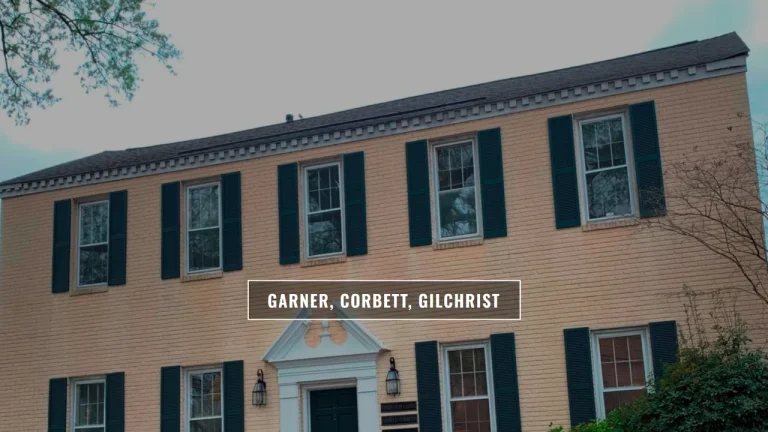
Benjamin R. Matthews and Associates - Columbia, SC
Trust Administration and Fiduciary Oversight in Columbia
Trust drafting and wealth preservation across Columbia are governed by the South Carolina Trust Code, providing structured mechanisms for asset management, generational transfers, and incapacity planning. The judicial forum exercising primary oversight over trust validity, trustee accounting disputes, and fiduciary modifications is the Richland County Probate Court, located on the fourth floor of the Richland County Judicial Center at 1701 Main Street in Downtown Columbia. For residents in the western suburbs of Columbia extending toward Irmo and Lake Murray, proceedings are handled by the Lexington County Probate Court in Lexington.
Creating a legally sound trust allows individuals and business owners to transfer property privately without the public scrutiny and delays associated with formal probate administration. Whether safeguarding historic family real estate in Shandon and Forest Acres, structuring succession plans for commercial enterprises in The Vista, or establishing generational land protections in Lower Richland, trusts provide customized control over distributions and tax exposure.
When fiduciary conflicts emerge-such as breach of fiduciary duty, failure to account, or disputes among co-beneficiaries-litigation proceeds before probate judges under strict procedural rules. Retaining an accomplished Columbia trusts lawyer ensures that trust instruments are drafted in full compliance with South Carolina statutes, properly funded with real property deeds, and managed to withstand legal challenges.
Legal Fee Structures for Columbia Trust Creation & Administration
| Case Scenario | Fee Structure | Estimated Cost (USD) | Key Cost Determinants |
|---|---|---|---|
| Revocable Living Trust Package (Individual / Joint) | Flat Fee | $1,500 - $3,500 | Pour-over will drafting, Richland County deed transfers, asset funding instructions |
| Irrevocable Asset Protection or Life Insurance Trust (ILIT) | Flat Fee / Hourly | $3,000 - $6,500 | Tax mitigation planning, Medicaid qualification strategies, independent trustee selection |
| Special Needs Trust (First-Party or Third-Party SNT) | Flat Fee | $2,000 - $4,500 | Preservation of Medicaid and SSI government benefits, structured disbursement rules |
| Contested Trust Litigation & Trustee Removal | Retainer + Hourly ($300 - $550/hr) | $7,500 - $25,000+ | Fiduciary accounting complexity, breach of trust claims, Richland County Probate trial |
Critical Legal Deadlines & Statutes in South Carolina
Trust creation and dispute resolution in South Carolina are codified under the South Carolina Trust Code at S.C. Code Ann. § 62-7-101 et seq. Under S.C. Code Ann. § 62-7-602, an inter vivos trust is presumed revocable unless its express terms state that it is irrevocable. Revocable trusts allow the settlor to amend, modify, or revoke terms throughout their lifetime while retaining full control over underlying assets.
For beneficiaries or omitted heirs seeking to contest a trust, strict statutory deadlines apply. Pursuant to S.C. Code Ann. § 62-7-604, an action contesting the validity of a revocable trust must be commenced within the earlier of one year after the settlor's death or 60 days after the trustee sent the beneficiary a copy of the trust instrument and formal notice informing them of the trust's existence. Trustees must also provide annual reports and information to qualified beneficiaries under S.C. Code Ann. § 62-7-813. A claim against a trustee for breach of trust must generally be brought within one year of receiving an adequate accounting report under S.C. Code Ann. § 62-7-1005.
DIY Online Trust Templates vs. Experienced Columbia Trust Counsel
While Magistrate Courts in South Carolina resolve small monetary disputes up to $7,500 under S.C. Code Ann. § 22-3-10, trusts fall under the exclusive jurisdiction of the Probate Court pursuant to S.C. Code Ann. § 62-1-302. Individuals frequently attempt to draft trusts using generic online software, which routinely leads to significant administrative failure.
The most frequent defect in self-drafted trusts is the complete failure to fund the trust entity. Simply signing a trust agreement does not transfer real estate, bank accounts, or corporate shares into the trust. Real property in Columbia must be formally conveyed via a recorded deed with the Richland County Register of Deeds. An experienced Columbia trust attorney prepares customized deeds, aligns non-probate beneficiary designations, and coordinates terms with South Carolina elective share laws to ensure total estate protection.
Red Flags When Selecting a Columbia Trusts Lawyer
- Beware of non-attorney marketing operations or trust mills hosting dinner seminars that sell standardized trust kits without analyzing individual tax circumstances.
- Avoid attorneys who draft a revocable trust document but refuse to assist with deed transfers or asset funding coordination in Richland County.
- Steer clear of lawyers who do not actively explain South Carolina Medicaid five-year look-back rules when discussing irrevocable trusts.
- Do not hire practitioners who lack courtroom litigation experience in the Richland County Probate Court if fiduciary disputes or accounting challenges arise.
Frequently Asked Questions
What is the primary benefit of a revocable living trust in Columbia?
A revocable living trust enables assets to transfer directly to designated beneficiaries upon death without passing through the public, court-supervised probate process in Richland County. It also provides seamless incapacity management if you become unable to manage your financial affairs.
Does a trust avoid South Carolina probate automatically?
A trust only avoids probate for assets that are properly funded into the trust during your lifetime. Real estate in Columbia must be re-titled through a recorded deed, and financial accounts must name the trust as owner or primary transfer-on-death beneficiary.
How long do beneficiaries have to challenge a trust in South Carolina?
Under South Carolina law, a trust contest must be filed within one year of the settlor's death, or within 60 days if the trustee serves formal statutory notice with a copy of the trust instrument to the beneficiary.
Can a trust protect assets from nursing home expenses in South Carolina?
A standard revocable living trust does not protect assets from long-term care costs because the settlor retains control. Only properly structured irrevocable trusts executed outside the five-year Medicaid look-back window can shield assets for Medicaid qualification purposes.
Where are trust disputes litigated in Columbia?
Trust disputes, trustee removal actions, and accounting objections in Columbia are litigated in the Richland County Probate Court, located inside the Richland County Judicial Center on Main Street in Downtown Columbia.