
Wills Lawyers in Columbia
Working with an experienced Columbia wills lawyer protects your estate, family assets, and healthcare decisions under South Carolina probate law. Dedicated counsel crafts tailored wills, revocable trusts, and powers of attorney to avoid contentious probate litigation. Explore our directory below to consult with top estate planning attorneys in Richland County.

Strom Law Firm - Columbia, SC

Amaker Law Firm, LLC - Columbia, SC

The Law Office of Eddye L. Lane, P.A. - Columbia, SC

Koon Cook & Walters, LLC - Columbia, SC

The Paraclete Law Center, LLC - Columbia, SC
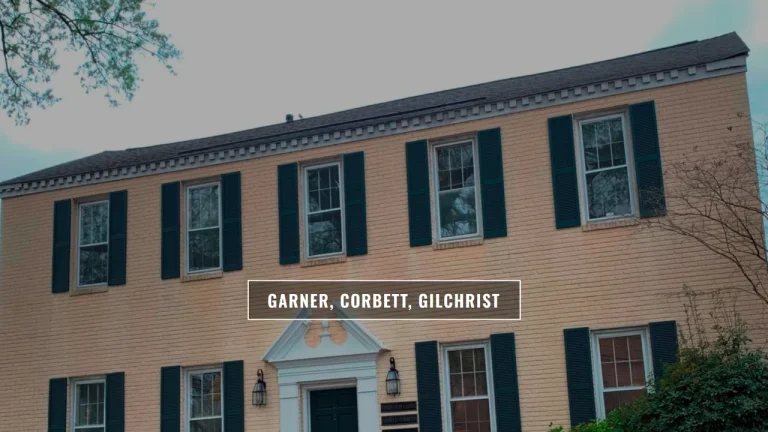
Garner, Corbett and Gilchrist - Columbia, SC

The Eddy Law Firm - Columbia, SC

Keibler Law Group - Columbia, SC
Estate Planning and Probate Oversight Across Greater Columbia
Planning for the transfer of family wealth and preparing advance directives is essential for residents throughout Greater Columbia. From historic homes in Shandon, Heathwood, and Elmwood to growing communities across Forest Acres, Lake Murray, Irmo, and Northeast Columbia, executing an enforceable last will and testament ensures that your real estate, investment assets, and personal legacy are distributed strictly according to your wishes.
In South Carolina, estate administration and will contests fall under the jurisdiction of county probate courts. For Columbia residents residing in Richland County, estate proceedings, guardianship petitions, and formal accountings are managed by the Richland County Probate Court, located on the second floor of the Richland County Judicial Center at 1701 Main Street. Residents living in the Lexington County portions of the metro area-such as Cayce, West Columbia, and Chapin-are served by the Lexington County Probate Court in downtown Lexington. Contested probate decrees may be appealed de novo to the Court of Common Pleas.
Retaining an experienced Columbia wills attorney ensures your testamentary documents satisfy rigorous statutory execution formalities. Legal counsel drafts customized wills, establishes pour-over trusts, prepares durable powers of attorney and healthcare proxies, and advises personal representatives on statutory creditor notices and inventory filings to prevent family disputes.
Legal Fee Structures for Columbia Estate Planning and Wills
| Case Scenario | Fee Structure | Estimated Cost (USD) | Key Cost Determinants |
|---|---|---|---|
| Basic Will, Durable Power of Attorney & Living Will | Flat Fee | $750 - $1,800 | Number of specific bequests, minor child guardianship provisions, self-proving execution |
| Comprehensive Pour-Over Will & Revocable Living Trust | Flat Fee | $2,000 - $4,500 | Real estate deed conveyances, out-of-county property, trust asset funding complexity |
| Uncontested Formal Probate Estate Administration | Hourly / Tiered Flat Fee | $3,500 - $8,500 | Statutory creditor notices, probate asset inventory depth, final accounting preparation |
| Contested Will & Fiduciary Misconduct Litigation | Hourly ($325 - $550/hr) | $10,000 - $35,000+ | Deposition volume, testamentary capacity proof, medical subpoenas, Common Pleas appeal |
Critical Legal Deadlines & Statutes in South Carolina
Estate planning and probate administration in South Carolina are governed by strict statutory rules set forth in the South Carolina Probate Code. Under S.C. Code Ann. § 62-2-502, a valid will must be in writing, signed by the testator, and signed by at least two individuals who witnessed the signing. To eliminate the necessity of locating witnesses during probate, wills should be executed with a self-proving affidavit pursuant to S.C. Code Ann. § 62-2-503.
Following an individual's death, South Carolina law imposes an immediate duty on will custodians. Under S.C. Code Ann. § 62-2-901, any person having custody of a decedent's will must deliver it to the probate court having jurisdiction within 30 days after receiving notice of the death. Once an estate is opened and a personal representative is appointed, the statutory creditor period begins: creditors must present claims within 8 months after the first published notice to creditors, or within 60 days of direct written notice, pursuant to S.C. Code Ann. § 62-3-801 and S.C. Code Ann. § 62-3-803.
South Carolina protects surviving spouses from total disinheritance through the elective share statute. Under S.C. Code Ann. § 62-2-201, a surviving spouse has the statutory right to claim an elective share of one-third of the decedent's probate estate, which must be petitioned within 8 months of death or 6 months of probate proceedings opening. For small estates with personal property not exceeding $25,000, heirs may utilize summary probate procedures under S.C. Code Ann. § 62-3-1201.
Magistrate Court Limits vs. Probate Court Jurisdiction
In Richland County, the Central Magistrate Courts resolve small claims disputes capped at $7,500 under S.C. Code Ann. § 22-3-10. However, magistrate courts possess zero jurisdiction over decedent estates, wills, trusts, or adult guardianships. Original exclusive jurisdiction over estate administration is vested in the Richland County Probate Court pursuant to S.C. Code Ann. § 62-1-302.
Drafting a will without legal counsel using generic online form generators frequently leads to severe procedural errors. Handwritten or unwitnessed modifications violate South Carolina execution formalities under S.C. Code Ann. § 62-2-502, resulting in intestate distribution where state laws determine your asset dispersal. In contested matters, personal representatives face complex evidentiary rules and accounting requirements. Retaining an experienced Columbia wills attorney ensures your documents are legally sound, prevents tax exposure, and protects your family from lengthy court disputes.
Red Flags When Selecting a Columbia Wills Lawyer
- Attorneys who omit statutory self-proving affidavits under S.C. Code Ann. § 62-2-503, requiring witnesses to be located years later to authenticate the will.
- Failure to account for South Carolina's elective share statute under S.C. Code Ann. § 62-2-201, leading to unintentional spousal inheritance disputes.
- Lawyers offering trust packages who fail to record real estate deeds into the trust, leaving real property subject to formal probate proceedings.
- Firms lacking direct experience appearing before the Richland County Probate Court on Main Street in Columbia.
Frequently Asked Questions
What makes a will legally valid in South Carolina?
Under S.C. Code Ann. § 62-2-502, a will must be in writing, signed by a testator who is at least 18 years of age and of sound mind, and signed by at least two competent witnesses who witnessed the execution.
What is a self-proving will in South Carolina?
A self-proving will includes a notarized affidavit executed under S.C. Code Ann. § 62-2-503 by the testator and witnesses. This allows the Richland County Probate Court to admit the will to probate without requiring the witnesses to appear in court.
Where is a will filed after a death in Columbia?
Wills for decedents who resided in Richland County must be delivered to the Richland County Probate Court, located on the second floor of the Richland County Judicial Center at 1701 Main Street, within 30 days of death under S.C. Code Ann. § 62-2-901.
Can a spouse be completely disinherited in South Carolina?
No. Under S.C. Code Ann. § 62-2-201, a surviving spouse has the statutory right to claim an elective share equal to one-third of the decedent's probate estate, regardless of the terms set forth in the will, unless waived in a valid prenuptial agreement.
What is the monetary threshold for a small estate in South Carolina?
Under S.C. Code Ann. § 62-3-1201, an estate with total probate assets valued at $25,000 or less, excluding liens and encumbrances, qualifies for simplified administration via a small estate affidavit 30 days after the death.