
Debt Relief Lawyers in South Carolina
Facing aggressive debt collection in South Carolina? Skilled debt relief attorneys defend against creditor lawsuits, halt unlawful collection harassment, and negotiate favorable out-of-court settlements. Qualified counsel leverages the South Carolina Consumer Protection Code and statutory defenses to reduce liabilities and protect personal property. Explore our verified directory below to consult an experienced South Carolina debt relief lawyer.
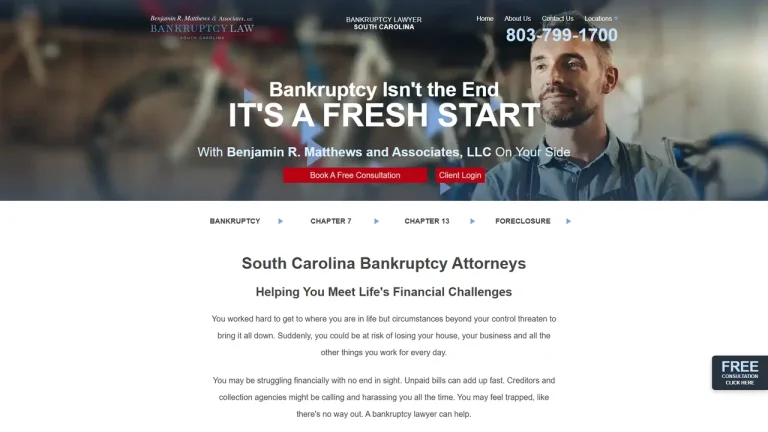
Benjamin R. Matthews and Associates - Columbia, SC
Finkel Law Firm LLC - Columbia, SC

South Carolina Legal Services - North Charleston, SC

Steadman Law Firm, P.A. - North Charleston, SC

Ferrara Law Firm PLLC - North Charleston, SC
Moss & Associates Charleston Office, Attorneys PA - SC

Stone Law Firm, LLC - North Charleston, SC
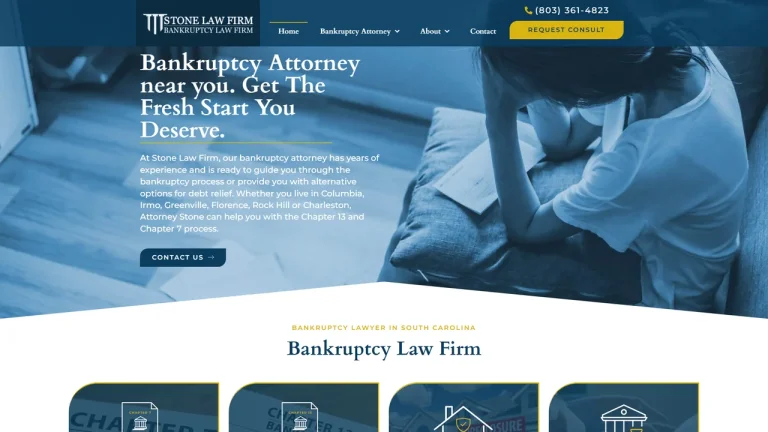
Stone Law Firm, LLC - Columbia, SC

Finkel Law Firm LLC - North Charleston, SC

Pati Law Firm, LLC - North Charleston, SC

Drose Law Firm: Urquhart Ann A - North Charleston, SC
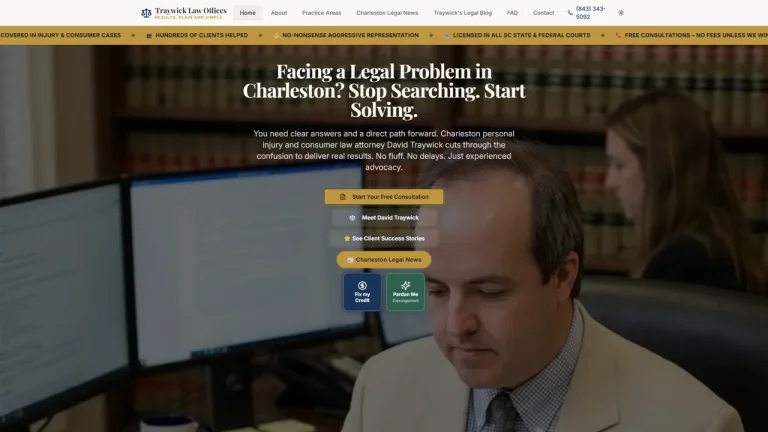
Traywick Law Offices - Charleston, SC

Navigating Debt Defense and Consumer Rights Across South Carolina
Managing delinquent consumer debts, aggressive collection agencies, or unexpected court summonses requires detailed knowledge of South Carolina consumer finance statutes. In South Carolina, debt collection lawsuits are litigated primarily within county Magistrate Courts or the Circuit Court division known as the Court of Common Pleas.
Whether defending against credit card lawsuits in Richland County, medical debt collections in Greenville, or auto deficiency claims in Charleston, debtors possess robust state statutory rights. The South Carolina Consumer Protection Code places strict legal restrictions on predatory lending, unconscionable collection practices, and unauthorized post-default fees.
Partnering with an experienced South Carolina debt relief attorney provides immediate leverage against collection agencies and debt purchasers. An attorney can assert statutory defense deadlines, demand chain-of-title verification, negotiate lump-sum debt settlements, and ensure judgment creditors cannot improperly encumber your assets.
Legal Fee Structures for South Carolina Debt Relief Representation
| Case Scenario | Fee Structure | Estimated Cost (USD) | Key Cost Determinants |
|---|---|---|---|
| Out-of-Court Debt Settlement Negotiation | Contingency (% of Debt Saved) | 15% - 25% of Savings | Total debt balance, creditor identity (original bank vs debt buyer), and availability of lump-sum settlement funds. |
| Magistrate Court Lawsuit Defense ($7,500 or less) | Fixed Flat Fee | $750 - $1,800 | Filing formal answer, asserting affirmative defenses, discovery requests, and courtroom appearance at magistrate hearing. |
| Court of Common Pleas Debt Defense | Flat Fee or Hourly Retainer | $1,500 - $4,000 | Formal civil summons response, written discovery, dispositive motion practice, and settlement conference advocacy. |
| Unlawful Collection Harassment Defense (FDCPA) | Contingency / Fee-Shift | $0 Out-of-Pocket | Documented consumer protection violations, statutory damage claims, and attorney fees recovered directly from collectors. |
Critical Legal Deadlines & Statutes in South Carolina
South Carolina provides some of the nation's most distinct consumer debtor protections. Under S.C. Code Ann. § 15-3-530(1), the statute of limitations for actions founded upon a contract, express or implied-including credit cards, medical bills, and personal loans-is three (3) years from the date of default or last payment.
Debtors must be cautious regarding account activity; under S.C. Code Ann. § 15-3-120, making a voluntary partial payment or executing a written acknowledgment can restart the three-year statutory clock on time-barred accounts. Significantly, under S.C. Code Ann. § 37-5-104 of the South Carolina Consumer Protection Code, creditor wage garnishment is strictly prohibited for consumer credit sales, consumer leases, and consumer loans. Furthermore, civil judgments expire after ten (10) years and cannot be renewed pursuant to S.C. Code Ann. § 15-39-30, and defendants served in Common Pleas must answer within thirty days under S.C. R. Civ. P. 12(a).
Magistrate Court Self-Representation vs. Retaining Legal Counsel
For modest claims up to $7,500, South Carolina Magistrate Courts under S.C. Code Ann. § 22-3-10 offer an informal forum where individuals often attempt self-representation. However, commercial debt buyers frequently take advantage of unrepresented consumers who fail to assert critical affirmative defenses, such as the three-year statute of limitations or evidentiary defects in the chain of assignment, resulting in avoidable default judgments.
When claims exceed $7,500, the dispute falls under the Court of Common Pleas, where strict rules of civil procedure and formal evidence apply. Retaining a South Carolina debt relief attorney ensures your responsive pleadings are filed timely, improper collector fees are challenged under S.C. Code Ann. § 37-5-108, and negotiated settlements contain complete liability releases that protect you from subsequent claims.
Vetting South Carolina Debt Relief Services: Critical Red Flags
- Out-of-State Non-Attorney Settlement Agencies: For-profit settlement companies that charge steep monthly fees but cannot provide legal defense when creditors file lawsuits in South Carolina courts.
- Threats of Wage Garnishment: Collectors or settlement telemarketers who threaten to garnish your paycheck over consumer loans, ignoring the explicit state prohibition under South Carolina law.
- Refusal to Provide Written Settlement Terms: Never send settlement funds without an executed, formal agreement guaranteeing complete release of the debt balance and closure of the account.
- Advising Payments on Zombie Debt: Disreputable counselors who encourage making small token payments on old debts, which revives expired liabilities under South Carolina statutory law.
Frequently Asked Questions
Can creditors garnish my wages for credit card debt in South Carolina?
No. Under South Carolina Code Section 37-5-104, wage garnishment is prohibited for consumer debt judgments, meaning judgment creditors cannot attach your paycheck for credit card, medical, or personal loan debts.
What is the statute of limitations for consumer debt in South Carolina?
Under S.C. Code Ann. § 15-3-530(1), the statute of limitations for filing a lawsuit on consumer debts, including credit cards and personal contracts, is three years from the date of default or the last voluntary payment.
How should I respond if sued by a debt collector in South Carolina?
You must file a written answer with the court within the statutory deadline-thirty days for the Court of Common Pleas-asserting all affirmative defenses such as lack of standing or expiration of the statute of limitations to avoid a default judgment.
What happens if I make a partial payment on an expired debt?
Under South Carolina law, making even a small payment or acknowledging the debt in writing can restart the three-year statute of limitations, allowing the creditor to legally file a lawsuit on an account that was previously time-barred.
How long is a court judgment valid in South Carolina?
A civil judgment obtained in a South Carolina court remains valid and enforceable as a lien against real property for ten years from the entry date under S.C. Code Ann. § 15-39-30 and cannot be renewed.