
Wills Lawyers in South Carolina
Retaining an experienced South Carolina wills lawyer ensures your final directives are legally valid and enforceable across county probate courts. Dedicated counsel helps minimize estate tax liabilities, avoid familial disputes, and resolve estate administration outside of contentious litigation. Browse our directory below to connect with qualified estate planning attorneys in your local area.

Gause Law Firm - North Charleston, SC

Finkel Law Firm LLC - North Charleston, SC

The Duffy Law Firm, LLC - North Charleston, SC
Bostic Law Group, P.A. - Charleston, SC
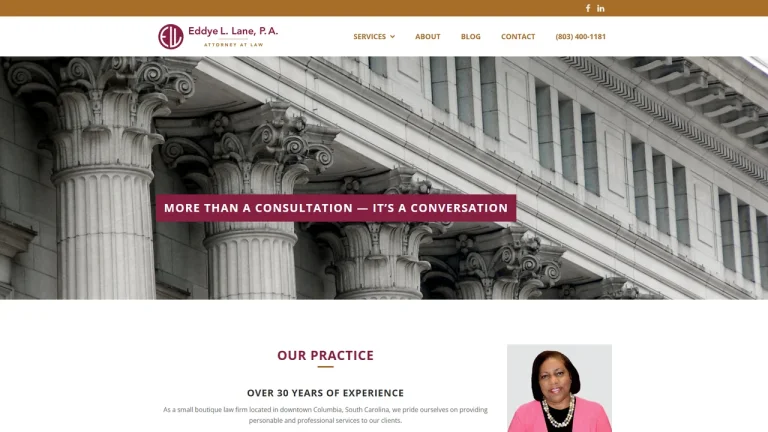
The Law Office of Eddye L. Lane, P.A. - Columbia, SC

Ferrara Law Firm PLLC - North Charleston, SC

Stoney & Walker, LLC - North Charleston, SC

Ayers Family Law, LLC - Charleston, SC
The Paraclete Law Center, LLC - Columbia, SC
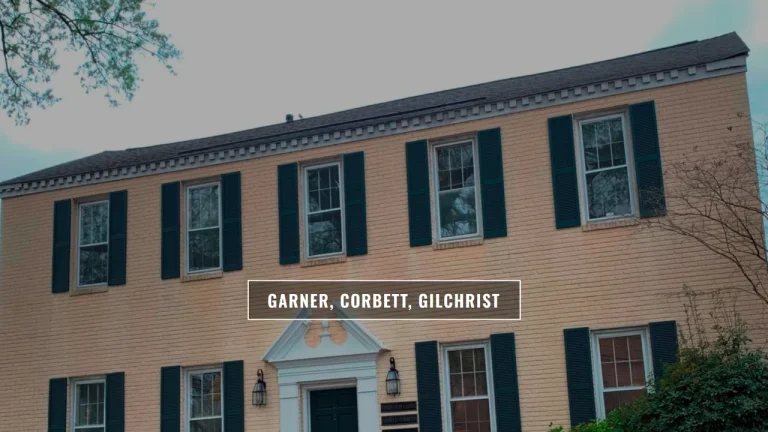
Garner, Corbett and Gilchrist - Columbia, SC
Weeks & Irvine, LLC - North Charleston, SC

Turner, Padget, Graham & Laney, P.A. - Charleston, SC

Koon Cook & Walters, LLC - Columbia, SC

The Suttles Law Firm LLC - North Charleston, SC
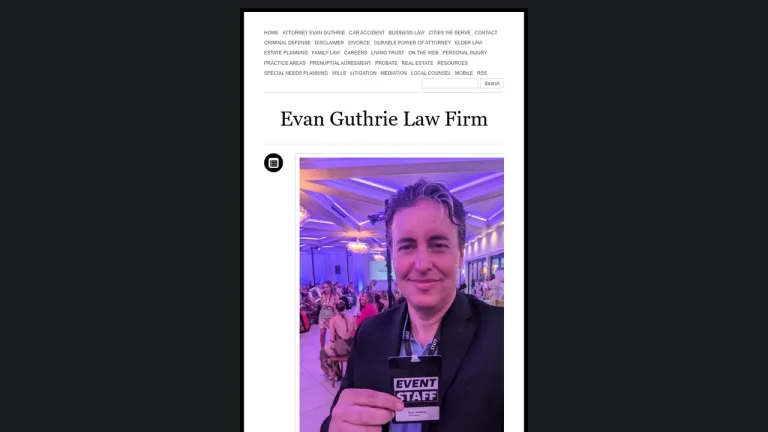
Evan Guthrie Law Firm - Charleston, SC

Keibler Law Group - Columbia, SC

The Eddy Law Firm - Columbia, SC
Law Office of Tina W. Dixon - North Charleston, SC

Strom Law Firm - Columbia, SC

Steadman Law Firm, P.A. - North Charleston, SC
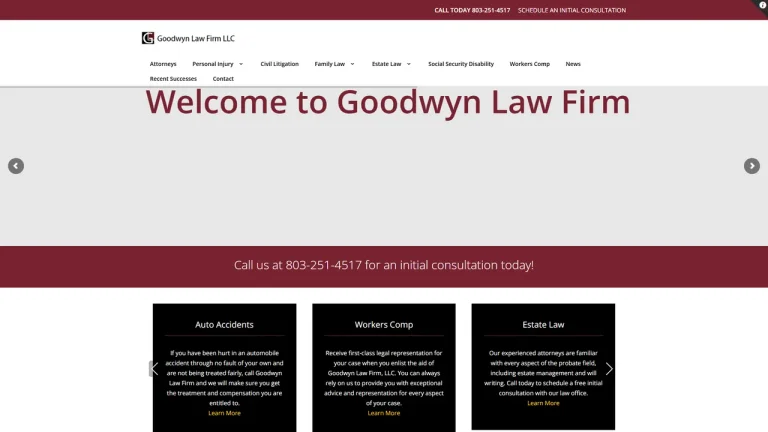
Goodwyn Law Firm, LLC - Columbia, SC

Mulet Law - Charleston, SC

South Carolina Probate Jurisdiction and Testamentary Authority
Estate planning in South Carolina is governed by distinct statutory protocols administered through county-level judicial divisions. Each of the forty-six counties across the state-from Greenville and Spartanburg in the Upstate to Richland in the Midlands and Charleston along the coast-operates an independent Probate Court. Under the supervision of the Supreme Court of South Carolina, these courts exercise exclusive original jurisdiction over decedent estates.
Drafting an enforceable last will and testament requires strict adherence to the South Carolina Probate Code. Pursuant to S.C. Code Ann. § 62-2-502, every valid will must be in writing, executed by an individual of sound mind who has reached eighteen years of age, and signed by at least two witnesses who saw the testator sign or acknowledge the document.
Executing a self-proving affidavit under S.C. Code Ann. § 62-2-503 at the time of testamentary signing significantly streamlines judicial probate proceedings. Local counsel ensures proper witness execution, preventing future caveats, contested hearings, or allegations of undue influence in county probate venues.
Fee Structures for South Carolina Wills and Estate Counsel
| Case Scenario | Fee Structure | Estimated Cost (USD) | Key Cost Determinants |
|---|---|---|---|
| Individual Basic Will & Directives | Flat Fee | $450 - $950 | Asset complexity, inclusion of living will and healthcare proxy |
| Reciprocal Spousal Estate Planning | Flat Fee | $850 - $2,200 | Blended family provisions, guardian appointments for minor children |
| Probate Court Administration Assistance | Flat Fee / Hourly | $2,500 - $6,000 | Inventory valuation, creditor notifications, formal versus informal probate |
| Contested Will Litigation | Hourly Rate | $275 - $500 / hr | Deposition volume, capacity evaluations, trial duration in Probate Court |
Critical Legal Deadlines & Statutes in South Carolina
Timely administration of a decedent's estate is mandated by state statutory periods. Ignoring these strict deadlines can forfeit statutory rights and expose executors to personal liability.
Under S.C. Code Ann. § 62-2-901, any person possessing a decedent's will must deliver it within thirty days following death to the appropriate county Probate Court. Failure to deliver the testament may result in court citations and potential liability for damages.
Formal or informal probate proceedings must be commenced within ten years following the decedent's death pursuant to S.C. Code Ann. § 62-3-108. After this ten-year statutory window lapses, the estate is generally presumed intestate regarding non-probated property.
Creditor notice protocols carry tight statutory boundaries. Pursuant to S.C. Code Ann. § 62-3-801, creditors must submit claims within eight months from the first publication of the notice to creditors in a local newspaper of general circulation, or within sixty days of receiving direct written notice.
Furthermore, an omitted or disenfranchised surviving spouse seeking to claim an elective share under S.C. Code Ann. § 62-2-201 must file a formal petition within the earlier of eight months after death or six months after probate of the will under S.C. Code Ann. § 62-2-205.
Magistrate Court Limits vs. Dedicated Probate Court Authority
In South Carolina, the Magistrate Court possesses a civil jurisdiction ceiling of $7,500 under S.C. Code Ann. § 22-3-10. However, magistrates maintain absolutely no subject matter jurisdiction over decedent estates, wills, or probate matters. Under S.C. Code Ann. § 62-1-302, the South Carolina Probate Court maintains exclusive original jurisdiction over wills and estate administration.
While small monetary disagreements can be heard before a magistrate, estate matters involving real estate titles, creditor claims, fiduciary accounting, and will validation cannot be handled informally. Enlisting a qualified estate attorney ensures that required petitions, appraisals, and filings satisfy the strict rules of the county Probate Court.
Red Flags to Avoid When Selecting a South Carolina Wills Lawyer
- Reliance on non-attorney legal document companies that lack licensing from the South Carolina Bar and produce invalid execution forms.
- Attorneys who fail to execute wills with two disinterested witnesses and a formal notary self-proving affidavit under state statutory rules.
- Law firms demanding open-ended contingency or percentage-based fees on total gross estate assets rather than straightforward flat or hourly pricing.
- Failing to review non-probate asset titling, such as rights of survivorship deeds and beneficiary designations on financial accounts.
Frequently Asked Questions
Does South Carolina recognize handwritten holographic wills?
No. South Carolina does not recognize holographic wills executed within the state unless they fully satisfy the formal statutory execution requirements set forth in S.C. Code Ann. § 62-2-502, which mandates the signatures of two competent witnesses.
What is the elective share for a surviving spouse in South Carolina?
Under S.C. Code Ann. § 62-2-201, a surviving spouse has the statutory right to claim an elective share equal to one-third of the decedent probate estate, regardless of contrary terms outlined in the will, provided they timely petition the Probate Court.
Can an executor handle probate without a lawyer in South Carolina?
While informal probate can technically be opened by a personal representative pro se, estates involving contested claims, creditor disputes, or titled real property generally require legal representation to prevent statutory errors and personal fiduciary liability.
What happens if a resident dies without a will in South Carolina?
If someone dies without a will, their estate passes according to South Carolina intestate succession laws under S.C. Code Ann. § 62-2-102, where property is distributed between surviving spouses and surviving descendants based on rigid statutory ratios.
What is a self-proving will under South Carolina law?
A self-proving will includes a sworn affidavit executed under S.C. Code Ann. § 62-2-503 by the testator and witnesses before a notary public. This eliminates the necessity of locating witnesses to testify in Probate Court when proving the will's authenticity.