
Criminal Defense Lawyers in Tennessee
Hiring a dedicated criminal defense attorney in Tennessee is vital for safeguarding your constitutional liberties and navigating complex state court proceedings. Experienced trial counsel challenges prosecutorial evidence and negotiates assertively to dismiss charges or minimize penalties without court trials. Explore our verified directory below to schedule an urgent consultation with an accomplished Tennessee defense lawyer.

J. Allen Brown - Nashville, TN

Law Office of Kenneth W. Brashier - Memphis, TN

Larry Felts, Disability Lawyers - Nashville, TN

Terry R Clayton & Associates - Nashville, TN

Robert R. Kurtz, Attorney at Law - Knoxville, TN

Hackett & Maldonado - Memphis, TN

Knoxville Tax & IRS Resolutions Attorney - TN

Wampler, Carroll, Wilson & Sanderson, P.C. - Memphis, TN

Rogers & Brackin, PLLC - Memphis, TN

Ryan C. Davis Law, PLLC - Nashville, TN

Schaarschmidt Law Office, Attorney Jeffrey Schaarschmidt - Chattanooga, TN
Law Office of Hibbeler & Associates - Clarksville, TN


Andrew C. Beasley, PLLC - Nashville, TN

Kaufman Monroe Law, LLC - Memphis, TN

HODUM LAW, PLLC. - Memphis, TN
The Bell Law Firm, PLLC - Knoxville, TN

Lewis A Williams, Attorney - Nashville, TN

Meggan Bess Sullivan, PLLC - Nashville, TN

Dewun R. Settle - Memphis, TN

Reginald E. Shelton - Memphis, TN
Mathis, Bates & Klinghard PLLC - Clarksville, TN
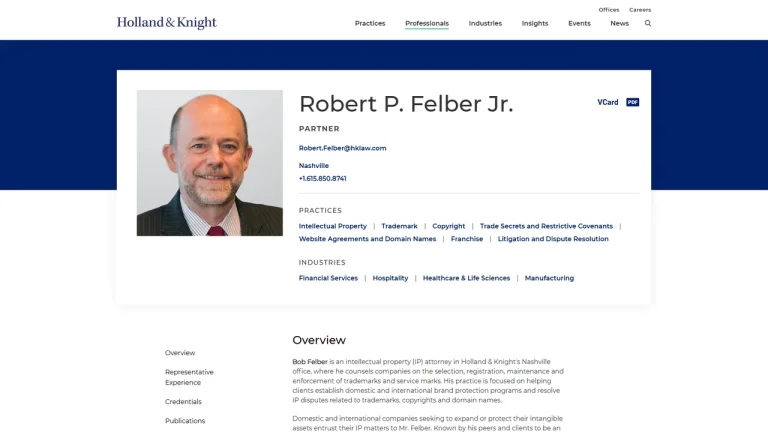
Robert P. Felber, Jr. - Nashville, TN
Tennessee Criminal Courts & Defense Practice Jurisdictions
Criminal prosecutions in Tennessee follow a structured bifurcated system beginning in county General Sessions Courts and progressing, for felony charges, to dedicated Tennessee Criminal Courts or Circuit Courts. High-volume criminal dockets are handled in major judicial districts, including Davidson County (Nashville), Shelby County (Memphis), Knox County (Knoxville), and Hamilton County (Chattanooga).
Misdemeanor offenses, initial bond hearings, and preliminary examinations take place in General Sessions Court. If probable cause is found or waived, felony matters are presented to a grand jury and bound over to the Criminal Court for formal arraignment, discovery motion practice, and jury trials.
Navigating Tennessee criminal procedures requires deep familiarity with local district attorney prosecution policies, county jail release practices, and judicial scheduling. Retaining an attorney licensed by the Tennessee Board of Professional Responsibility and active in the Tennessee Bar Association ensures your constitutional rights against unreasonable searches and custodial interrogations are vigorously defended.
Typical Fee Structures in Tennessee Criminal Defense Cases
| Case Scenario | Fee Structure | Estimated Cost (USD) | Key Cost Determinants |
|---|---|---|---|
| First-Offense DUI / Misdemeanor Defense | Flat Fee | $2,500 - $5,000 | Blood alcohol toxicology challenges, dashcam video audits, General Sessions bench trials. |
| Class C, D, or E Felony Representation | Flat Fee or Retainer | $5,000 - $12,500 | Grand jury bind-over, pre-trial suppression motions, prior criminal record points. |
| Major Violent Crime / Class A or B Felony Trial | Retainer / Hourly | $15,000 - $40,000+ | Expert forensic witnesses, ballistics reconstruction, jury selection, protracted trial duration. |
| Criminal Record Expungement Petition | Flat Fee | $750 - $2,000 | Statutory charge eligibility review, court clerk filing fees, multi-county dismissal records. |
Critical Legal Deadlines & Statutes in Tennessee
Criminal prosecutions in Tennessee are strictly bound by the statutory limitations set forth in Title 40 of the Tennessee Code Annotated. Under Tenn. Code Ann. § 40-2-102, prosecutions for all misdemeanor offenses must be commenced within twelve months from the date of the alleged offense.
For felony offenses, statutory deadlines are categorized by severity under Tenn. Code Ann. § 40-2-101. Class E felonies carry a two-year limitation period, while Class B, C, and D felonies must be prosecuted within four years under Tenn. Code Ann. § 40-2-101(c). Class A felonies carry an eight-year deadline, with exceptions for first-degree murder and certain severe sex crimes which carry no limitation period. Additionally, individuals charged with driving under the influence face mandatory minimum jail sentences, license revocations, and ignition interlock requirements pursuant to Tenn. Code Ann. § 55-10-402.
General Sessions Civil Limits vs. Criminal Court Representation
Although the Tennessee General Sessions Court exercises civil jurisdiction capped at $25,000 under Tenn. Code Ann. § 16-15-501(d)(1), criminal matters in General Sessions involve personal liberty, potential incarceration, and lifelong criminal records rather than civil debt collection. Even a Class A misdemeanor conviction carries up to eleven months and twenty-nine days of jail confinement under Tenn. Code Ann. § 40-35-111(e)(1).
Attempting to handle criminal charges pro se or entering an unassisted guilty plea can lead to devastating collateral consequences, including permanent loss of voting rights, firearm disqualification, and employment revocation. An experienced criminal defense attorney conducts independent investigations, subpoenas dispatch recordings, files motions to suppress illegally seized evidence, and identifies alternatives such as judicial diversion under Tenn. Code Ann. § 40-35-313.
Red Flags to Avoid When Hiring Criminal Defense Counsel
- Guarantees of Dismissals or Acquittals: Avoid attorneys who promise specific outcomes, as ethical rules of the Tennessee Supreme Court prohibit outcome guarantees.
- Advising Immediate Guilty Pleas: Be cautious of lawyers who recommend accepting the prosecution plea offer at the first General Sessions appearance without examining evidentiary discovery.
- Unclear Retainer Agreements: Ensure your legal fee agreement defines whether fees cover only preliminary General Sessions work or extend to Criminal Court trial representation.
- Lack of Local Courtroom Familiarity: Select an attorney with proven trial experience before the judges and prosecutors in your specific Tennessee judicial district.
Frequently Asked Questions
What is the statute of limitations for misdemeanors in Tennessee?
Under Tenn. Code Ann. § 40-2-102, the state must initiate prosecution for misdemeanor offenses within twelve months of the alleged incident.
What happens at a preliminary hearing in General Sessions Court?
A preliminary hearing in General Sessions Court is an evidentiary proceeding where the state must prove probable cause that a felony occurred and that the defendant committed it before binding the case over to the grand jury.
What is judicial diversion in Tennessee?
Under Tenn. Code Ann. § 40-35-313, eligible first-time offenders who plead guilty can complete probation without an adjudication of guilt, resulting in complete dismissal and expungement upon successful completion.
What are the penalties for a first-offense DUI in Tennessee?
Under Tenn. Code Ann. § 55-10-402, a first DUI conviction requires a minimum of 48 consecutive hours in jail (or 7 days if BAC is 0.20% or higher), a one-year license revocation, mandatory fines, and an ignition interlock device.
Can criminal charges be expunged in Tennessee?
Yes. Dismissed charges can be expunged for free, and certain non-violent misdemeanor and felony convictions qualify for expungement under Tenn. Code Ann. § 40-32-101 after meeting statutory waiting periods.