
Citizenship Lawyers in Memphis
Retaining an experienced citizenship lawyer in Memphis ensures your naturalization application satisfies all federal statutory residency and moral character requirements. Dedicated attorneys resolve past tax issues, travel disruptions, and criminal citations before your interview, preventing unexpected denials. Browse our verified directory below to schedule a naturalization consultation today.
Law Office of E.M. Wafula, PLLC - Memphis, TN
Axelrod Immigration Law, PLLC - Memphis, TN
Andrew J. Rankin, Esq. - Memphis, TN
Stevenson Silva LLC - Memphis, TN
EH Law Group - Memphis, TN

Xio Camacho Law Office - Memphis, TN
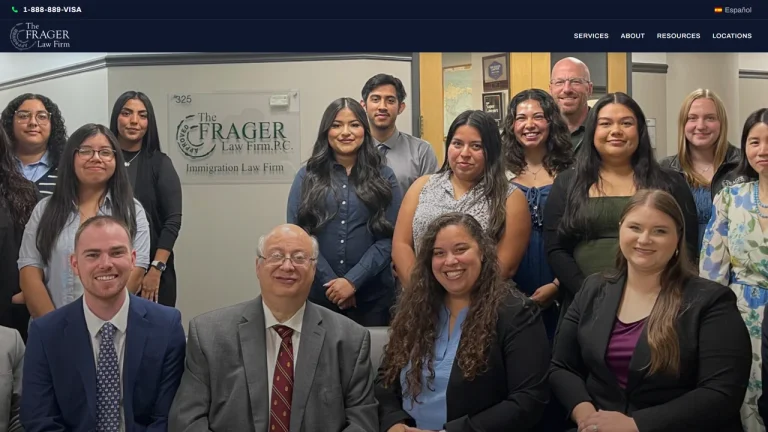
Frager Law Firm, PC - Memphis, TN
Triche Immigration Appeals - Memphis, TN
Law Offices of Valerie Lopez - Memphis, TN
V. S. Taylor Law - Memphis, TN
Abogado de Inmigración Manuel Solis - Memphis, TN
Kathy Rivas, KR Law Firm - Memphis, TN
Kreis and Sykes, PLLC - Memphis, TN
Cobb Law Group, LP - Memphis, TN

Witty Law Group, PLLC - Memphis, TN
Law Office of Mona Mansour, PLLC - Memphis, TN

Pineda Immigration Law - Memphis, TN
LAW OFFICES OF K. JAYARAMAN - Memphis, TN
Hurst Immigration Law, PLLC - Memphis, TN

Siskind Susser, PC - Memphis, TN

Abogada Ann Schiller - Memphis, TN
Securing United States Citizenship in Memphis
Applying for United States citizenship is the crowning achievement for lawful permanent residents living in Memphis and throughout Shelby County, including Germantown, Collierville, Bartlett, and Cordova. While the naturalization process offers the rights to vote, obtain a U.S. passport, and sponsor family members, submitting Form N-400 exposes an applicant entire immigration history to federal scrutiny. Undetected compliance issues or mischaracterized travel can trigger application rejections or even revocation of lawful permanent resident status.
Naturalization applications in the Memphis metropolitan area are adjudicated by the United States Citizenship and Immigration Services Memphis Field Office, located at 842 Virginia Run Cove in Memphis. Officers at this facility evaluate continuous residency, conduct civics and English examinations, and review criminal background records from the Shelby County Criminal Court. Applicants with complicated travel logs, domestic support obligations, or past tax adjustments require thorough legal preparation before attending their interview.
If USCIS fails to make a decision within 120 days after the naturalization interview, an applicant can seek judicial intervention by filing an action in the U.S. District Court for the Western District of Tennessee at 167 North Main Street in Downtown Memphis. Working with an experienced citizenship lawyer ensures that every statutory requirement is met and that your path to citizenship remains protected.
Citizenship & Naturalization Legal Fee Structures in Memphis
| Case Scenario | Fee Structure | Estimated Cost (USD) | Key Cost Determinants |
|---|---|---|---|
| Standard Naturalization Application (Form N-400 Review & Filing) | Flat Fee | $1,200 - $2,500 | Continuous physical presence records, travel log analysis, clean background check |
| Naturalization with Criminal History or Extended Travel Absences | Flat Fee or Retainer | $2,500 - $5,500 | Shelby County arrest record expungements, good moral character briefs, tax compliance |
| Disability Medical Waiver for Civics/English Exam (Form N-648) | Flat Fee / Hourly ($250 - $425/hr) | $1,800 - $3,800 | Medical professional certification review, cognitive evaluation documentation |
| Administrative Appeal (Form N-336) & Federal Court Mandamus | Hourly Rate ($275 - $475/hr) | $3,500 - $9,500+ | USCIS hearing representation, 120-day rule complaint in Western District Court |
Critical Legal Deadlines & Statutes in Federal and State Practice
Naturalization is governed by the federal Immigration and Nationality Act. Under 8 U.S.C. § 1427, a permanent resident must demonstrate five years of continuous residence in the United States, physical presence for at least 30 months, and residency in Tennessee for at least three months prior to filing. Spouses of U.S. citizens can qualify under a shortened three-year residence requirement with 18 months of physical presence pursuant to 8 U.S.C. § 1430.
Applicants must demonstrate good moral character during the statutory lookback period under 8 U.S.C. § 1101(f), and pass examinations testing English literacy and U.S. history and government under 8 U.S.C. § 1423, unless exempt due to age and residency or a medically certified disability under Form N-648.
If USCIS denies a naturalization application, the applicant has an uncompromising 30-day deadline to file Form N-336, requesting an administrative hearing before a supervisory officer under 8 U.S.C. § 1447(a). Furthermore, if USCIS fails to adjudicate an application within 120 days after the initial examination, the applicant is statutorily authorized to petition the U.S. District Court for the Western District of Tennessee under 8 U.S.C. § 1447(b). In Tennessee, non-attorneys who provide unauthorized legal representation are subject to prosecution under Tenn. Code Ann. § 23-3-103 and consumer enforcement under Tenn. Code Ann. § 47-18-104.
Self-Filing Risks vs. Professional Naturalization Counsel
The Shelby County General Sessions Court exercises jurisdiction over small claims up to $25,000 under Tenn. Code Ann. § 16-15-501, but local courts have zero authority over federal citizenship matters. Naturalization is exclusively a federal administrative process.
While straightforward applicants occasionally file Form N-400 without counsel, submitting an application when there are undisclosed arrests, unpaid child support, back taxes, or extended absences carries severe risks. Filing an unvetted application can lead not only to a naturalization denial but also to the initiation of removal proceedings under 8 U.S.C. § 1227 if prior unlawful acts are revealed. Retaining an experienced citizenship attorney ensures that potential issues are identified in advance, legal briefs are submitted to prove good moral character, and representation is provided during the interview at the Memphis Field Office.
Red Flags When Selecting a Memphis Citizenship Lawyer
Selecting capable legal counsel ensures that your citizenship application proceeds smoothly. Watch for these warning signs when choosing an attorney:
- Utilizing non-attorney document preparers or "notarios" who are prohibited from providing legal advice under Tenn. Code Ann. § 23-3-103.
- Attorneys who guarantee citizenship approval or promise that USCIS officers will bypass mandatory English and civics examinations.
- Advising applicants to conceal past traffic citations, criminal arrests, or tax debts on Form N-400, which constitutes naturalization fraud.
- Refusal to attend the naturalization interview in person at the USCIS Memphis Field Office on Virginia Run Cove.
Frequently Asked Questions
Where is the USCIS Field Office located in Memphis?
The USCIS Memphis Field Office is located at 842 Virginia Run Cove in Memphis, where naturalization interviews, biometrics verifications, and civics testing are conducted.
What are the residency requirements for naturalization in Tennessee?
Under 8 U.S.C. § 1427, you must be a lawful permanent resident for at least five years (or three years if married to a U.S. citizen under 8 U.S.C. § 1430), with at least three months of residence in Tennessee prior to filing.
What happens if USCIS denies my naturalization application?
Under 8 U.S.C. § 1447(a), you have 30 days from the date of the denial notice to file Form N-336, requesting an administrative review hearing before a senior USCIS officer.
Can I become a citizen if I have a criminal arrest in Shelby County?
It depends on the offense. While certain serious crimes create permanent bars under 8 U.S.C. § 1101(f), many misdemeanor charges can be overcome by demonstrating rehabilitation and good moral character with proper legal briefing.
What can I do if USCIS delays my citizenship decision after my interview?
If USCIS fails to issue a decision within 120 days after your interview, your attorney can file a federal lawsuit under 8 U.S.C. § 1447(b) in the U.S. District Court for the Western District of Tennessee, asking a federal judge to adjudicate your application.