
Criminal Defense Lawyers in Memphis
Securing an aggressive Memphis criminal defense lawyer protects your constitutional rights and freedom when facing prosecution in Shelby County courts. Experienced defense attorneys handle bond hearings, suppress unlawful evidence, and negotiate charge reductions to avoid prison sentences. Browse our verified directory below to schedule an urgent case evaluation with a qualified 201 Poplar criminal defense attorney.

Jack P. Sherman, Attorney At Law - Memphis, TN

Law Office of Kenneth W. Brashier - Memphis, TN

Fitzgerald and Harris - Memphis, TN

Paul J Springer Law Office - Memphis, TN

Francavilla Law Firm - Memphis, TN
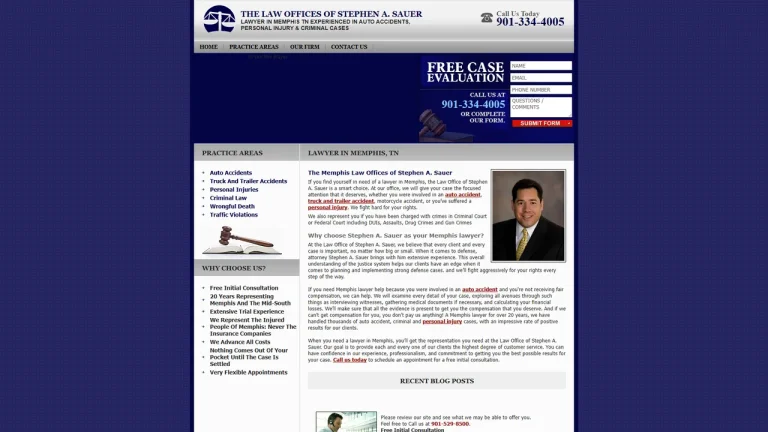
Stephen A. Sauer, Attorney at Law - Memphis, TN

Aaron S. Ayers Law Firm - Memphis, TN

Adam Glankler Law - Memphis, TN
WagermanKatzman - Memphis, TN
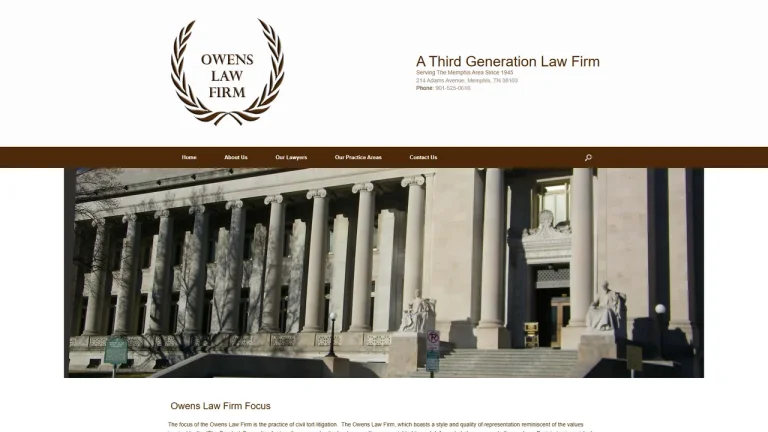
Owens Law Firm - Memphis, TN
Bronston Law Office - Memphis, TN
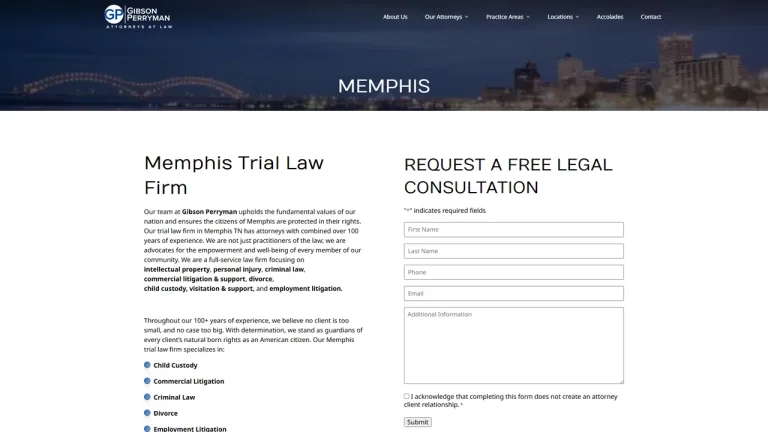
Gibson Perryman Attorneys at Law - Memphis, TN

Hewlett Law Firm, PLLC - Memphis, TN
The Buchanan Firm - Memphis, TN

Corder & Wilson Law Office - Memphis, TN
Hardaway Law Office - Memphis, TN

CLF Abogados, PLLC - Memphis, TN

Holland and Associates PC - Memphis, TN

Timothy J Williams Law Office - Memphis, TN

The Wharton Law Firm - Memphis, TN

Chatham Gilder Howell Pittman PLLC - Memphis, TN
Lance R. Chism - Memphis, TN

Jim Hale Law - Memphis, TN

Criminal Defense in the 30th Judicial District of Tennessee
Facing criminal charges in Memphis requires aggressive courtroom advocacy at the heart of the 30th Judicial District. Nearly all state criminal matters originating from arrests by the Memphis Police Department or the Shelby County Sheriff's Office are processed through the Walter L. Bailey, Jr. Criminal Justice Center, widely known as "201 Poplar" in Downtown Memphis.
The criminal process begins in Shelby County General Sessions Criminal Court for bond settings, arraignments, and preliminary hearings before potential indictment by the Shelby County Grand Jury. Indicted felonies move to the Shelby County Criminal Court, where felony trials involving firearm allegations, drug trafficking, aggravated assault, or homicide are prosecuted by the Shelby County District Attorney General's Office.
When federal agencies such as the FBI, DEA, or ATF are involved, charges proceed to the U.S. District Court for the Western District of Tennessee on North Main Street. Retaining an experienced Memphis defense lawyer ensures early intervention, protection against self-incrimination during interrogation, and thorough scrutiny of police body camera and search warrant documentation.
Typical Criminal Defense Legal Fees & Case Tiers in Memphis
| Case Scenario | Fee Structure | Estimated Cost (USD) | Key Cost Determinants |
|---|---|---|---|
| Misdemeanor Defense (DUI, Simple Possession, Assault) | Flat Defense Fee | $2,500 - $5,000 | General Sessions court appearances, video review, negotiation for diversion under statutory rules. |
| Non-Violent Felony (Drug Charges, Grand Theft, Fraud) | Flat Fee / Retainer | $5,000 - $12,000 | Grand jury presentations, suppression motions regarding search warrants, diversion eligibility. |
| Violent Felony Indictment (Aggravated Assault, Robbery) | Hourly Retainer ($300 - $500/hr) | $10,000 - $30,000+ | Ballistics analysis, eyewitness identification challenges, multi-day jury trial in Criminal Court. |
| Federal Criminal Defense (Western District of Tennessee) | Hourly Retainer ($350 - $600/hr) | $15,000 - $50,000+ | Complex federal discovery, sentencing guideline calculations, federal motion practice. |
Critical Legal Deadlines & Statutes in Tennessee
Criminal prosecutions in Memphis are strictly controlled by statutory windows and procedural timelines under the Tennessee Code Annotated:
- Preliminary Hearing Timelines: Under Tennessee Rules of Criminal Procedure Rule 5.1 and Tenn. Code Ann. § 40-14-101, an incarcerated defendant is entitled to a preliminary hearing within 14 days of the initial appearance, or within 30 days if released on bond.
- Pretrial Bail Determinations: Under Tenn. Code Ann. § 40-11-105 and Tenn. Code Ann. § 40-11-118, judicial magistrates must make individualized bail determinations based on flight risk and danger to the community.
- Judicial Diversion Eligibility: First-time non-violent offenders may petition for deferred adjudication and complete dismissal under Tenn. Code Ann. § 40-35-313 without entering a permanent judgment of conviction.
- Drug Manufacturing and Distribution Penalties: Drug offenses involving manufacture, delivery, or possession with intent are codified under Tenn. Code Ann. § 39-17-417, carrying mandatory minimum sentencing tiers based on chemical schedule and weight.
- Criminal Record Expungement: Charges resolved through dismissals, acquittals, or successful completion of judicial diversion are eligible for expungement under Tenn. Code Ann. § 40-32-101.
General Sessions Summary Practice vs. Felony Defense Representation
In Shelby County, General Sessions Court handles preliminary misdemeanor trials and felony probable cause hearings under Tenn. Code Ann. § 16-15-501. While minor traffic infractions can occasionally be handled pro se, entering 201 Poplar without experienced legal defense on criminal misdemeanor or felony charges carries grave dangers.
A guilty plea in General Sessions creates an irreversible criminal record, leads to immediate incarceration, and disqualifies defendants from future diversion programs. Furthermore, unrepresented defendants frequently waive preliminary hearings without realizing that cross-examining arresting officers at this stage can expose constitutional Fourth Amendment violations. A skilled Memphis criminal attorney challenges improper traffic stops, files bond reduction motions, and builds a comprehensive defense before the Shelby County Criminal Court bench.
Red Flags When Hiring a Memphis Criminal Defense Lawyer
- Promising 100% Acquittal or Case Dismissal: No ethical defense attorney can promise a dismissal before inspecting police reports, video evidence, and prosecution witness lists.
- Pressure to Plead Guilty at First Setting: Ineffective counsel pushes rapid plea agreements without evaluating body-worn camera footage or filing suppression motions.
- Lack of Routine Courtroom Presence at 201 Poplar: Defense counsel must have regular experience litigating before judges and prosecutors in the Shelby County Criminal Justice Center.
- Unclear Fee Agreements Regarding Jury Trials: Engagement letters must explicitly confirm whether the fee covers preliminary hearings, pretrial motions, and jury trials in Criminal Court.
Frequently Asked Questions
What happens after someone is arrested in Memphis?
Arrestees are taken to the Shelby County Jail at 201 Poplar for booking. Within 48 hours, a judicial magistrate conducts a probable cause and bond hearing. The defendant then appears in General Sessions Criminal Court for formal arraignment and appointment or entry of defense counsel.
Can a first-time criminal charge be dismissed under judicial diversion?
Yes. Under Tenn. Code Ann. § 40-35-313, eligible defendants charged with non-violent misdemeanors or certain lower-level felonies who have no prior felony convictions may be placed on probation without entry of judgment, resulting in complete dismissal and expungement upon completion.
What is the difference between General Sessions and Criminal Court in Memphis?
General Sessions handles misdemeanor trials, preliminary hearings, and bond determinations. Indicted felony cases are transferred to the Shelby County Criminal Court of the 30th Judicial District, which possesses exclusive trial jurisdiction over felony jury trials and major prosecutions.
How does bond get modified in Shelby County?
Defense counsel files a formal Motion for Bond Reduction under Tenn. Code Ann. § 40-11-118, demonstrating community ties, employment history, absence of flight risk, and financial resources to persuade the judge to lower the bail amount or grant release on recognizance.
Can dismissed criminal charges be expunged in Tennessee?
Yes. If a criminal charge is dismissed, retired, or resolved by an acquittal, you are entitled to file a petition for expungement under Tenn. Code Ann. § 40-32-101 to clear public arrest and court records.