
Family Immigration Lawyers in Memphis
Retaining an experienced family immigration lawyer in Memphis protects your relatives and streamlines visa petitions before federal immigration agencies. Professional counsel guides families through consular processing, adjustment of status, and deportation defense in local immigration courts. Explore our directory below to connect with qualified immigration attorneys serving Memphis and Shelby County.
LAW OFFICES OF K. JAYARAMAN - Memphis, TN

Xio Camacho Law Office - Memphis, TN
V. S. Taylor Law - Memphis, TN

Abogada Ann Schiller - Memphis, TN
Triche Immigration Appeals - Memphis, TN
Kathy Rivas, KR Law Firm - Memphis, TN
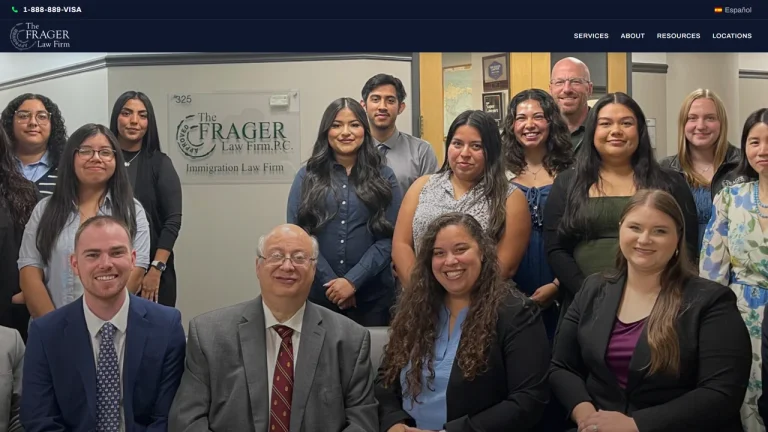
Frager Law Firm, PC - Memphis, TN
Hurst Immigration Law, PLLC - Memphis, TN

CLF Abogados, PLLC - Memphis, TN
Law Office of Mona Mansour, PLLC - Memphis, TN

Stevenson Silva LLC - Memphis, TN

Witty Law Group, PLLC - Memphis, TN
Axelrod Immigration Law, PLLC - Memphis, TN

Pineda Immigration Law - Memphis, TN
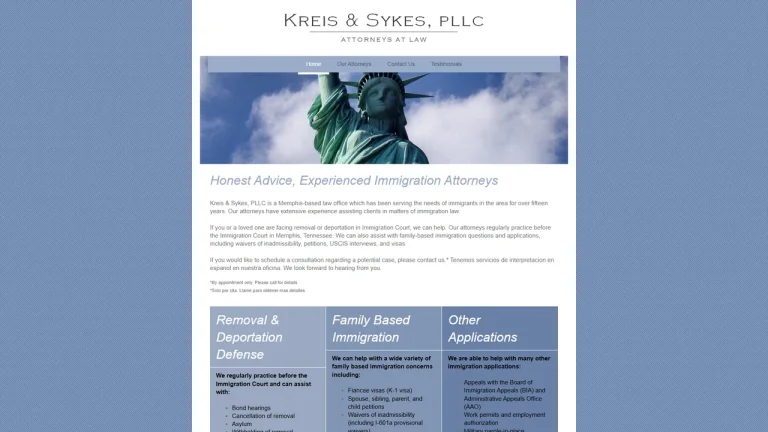
Kreis and Sykes, PLLC - Memphis, TN
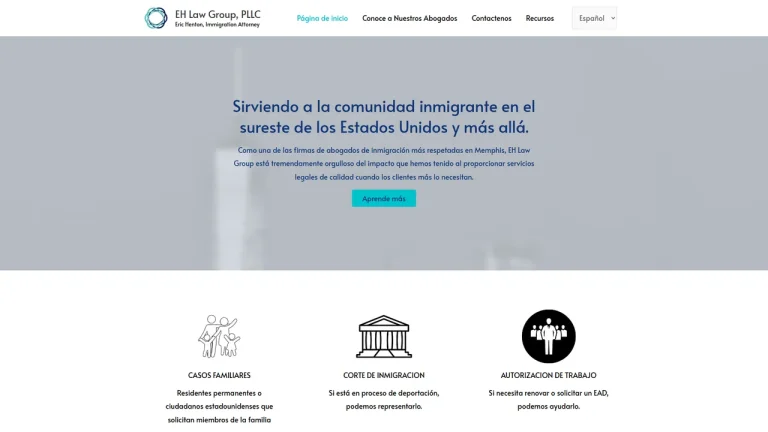
EH Law Group - Memphis, TN
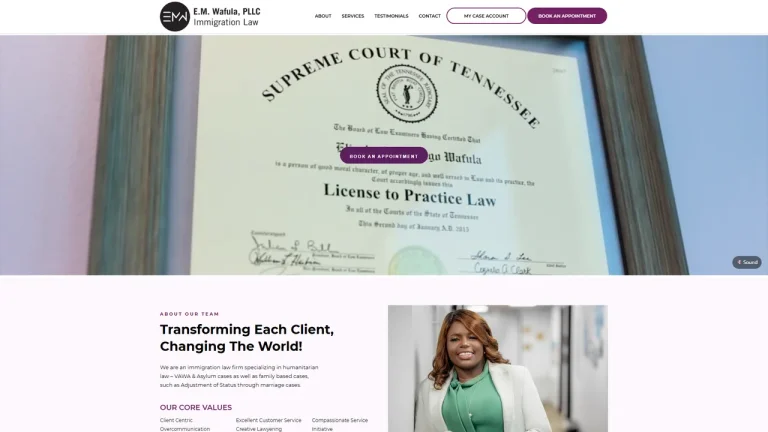
Law Office of E.M. Wafula, PLLC - Memphis, TN
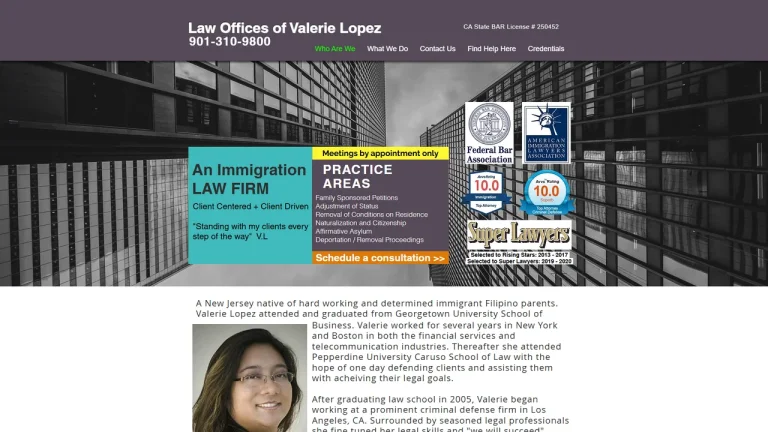
Law Offices of Valerie Lopez - Memphis, TN
Maria Jones Law Firm - Memphis, TN
Advocates for Immigrant Rights - Memphis, TN
Mid-South Immigration Advocates | MIA - Memphis, TN
Cobb Law Group, LP - Memphis, TN
Andrew J. Rankin, Esq. - Memphis, TN
Family Immigration Jurisdiction in Memphis and Shelby County
Family-based immigration legal matters in Memphis involve federal statutory procedures that determine whether relatives can legally reside and work in the United States. Spanning diverse communities throughout Shelby County, including Midtown, East Memphis, Cordova, Bartlett, and Whitehaven, local families face complex administrative reviews before federal immigration bodies. Immigration cases arising in Memphis are adjudicated primarily by the United States Citizenship and Immigration Services (USCIS) Memphis Field Office located on Virginia Run Cove, while removal defense proceedings are conducted at the Memphis Immigration Court on Monroe Avenue.
Family immigration petitions operate under the Immigration and Nationality Act (INA). United States citizens can sponsor immediate relatives, including spouses, unmarried minor children, and parents, without numerical visa limitations pursuant to 8 U.S. Code § 1151(b). Additional family members fall under preference categories governed by 8 U.S. Code § 1153(a). When relatives are already lawfully present within the country, counsel assists with Adjustment of Status applications under 8 U.S. Code § 1255, or coordinates consular processing through the National Visa Center when beneficiaries reside abroad.
Navigating family immigration requires meticulous legal preparation to overcome grounds of inadmissibility. A dedicated Memphis family immigration attorney prepares Form I-130 petitions under 8 U.S. Code § 1154, compiles supporting evidence of bona fide marriage, and handles Form I-601A provisional unlawful presence waivers to keep families together in Shelby County.
Family Immigration Services and Fee Structures
Legal fees for family-based immigration representation in Memphis depend on filing pathways, prior immigration violations, and whether proceedings involve USCIS interviews or defense before the Memphis Immigration Court. Below is an overview of standard fee schedules.
| Case Scenario | Fee Structure | Estimated Cost (USD) | Key Cost Determinants |
|---|---|---|---|
| Immediate Relative Petition & Adjustment of Status | Flat Fee | $2,500 - $5,500 | Lawful entry documentation, criminal record analysis, USCIS field office interview attendance. |
| Consular Processing & Fiancé Visa (K-1) | Flat Fee | $2,000 - $4,500 | NVC document submissions, overseas embassy coordination, affidavit of support calculations. |
| I-601A Provisional Unlawful Presence Waiver | Flat Fee | $3,500 - $7,500 | Qualifying relative extreme hardship evidence, psychological and medical reports. |
| Removal of Conditions on Residence (Form I-751) | Flat Fee / Hourly | $1,500 - $3,500 | Joint spousal filing vs good faith marriage waiver after divorce or separation. |
Critical Legal Deadlines & Statutes in Federal Immigration Law
Federal immigration law imposes rigid procedural deadlines that carry significant legal consequences if missed. Under 8 U.S. Code § 1186a(d)(2), conditional permanent residents who obtained green cards through marriage must submit Form I-751 within the strict 90-day window immediately preceding the second anniversary of receiving conditional residency. Failing to file within this 90-day period results in automatic termination of permanent resident status and the initiation of removal proceedings.
Unlawful presence triggers harsh statutory bars upon exiting the United States. Under 8 U.S. Code § 1182(a)(9)(B), individuals who accumulate more than 180 days of unlawful presence face a mandatory three-year re-entry bar, while unlawful presence of one year or more triggers a ten-year bar. Qualifying individuals must obtain an approved provisional waiver under 8 U.S. Code § 1182(a)(9)(B)(v) before departing for consular interviews. Additionally, immigrant sponsors must execute a legally binding Affidavit of Support under 8 U.S. Code § 1183a, which remains enforceable until the sponsored relative earns forty qualifying work quarters or naturalizes.
Self-Filing Dangers vs. Licensed Immigration Counsel
The Shelby County General Sessions Court exercises jurisdiction over local civil disputes up to $25,000 under Tenn. Code Ann. § 16-15-501, but state courts possess zero jurisdiction over immigration matters. Immigration law is strictly federal and governed by administrative procedures within the Department of Homeland Security.
Attempting to file family petitions without legal counsel presents major risks. Simple filing mistakes on Form I-485, deficient income calculations on Form I-864, or improperly disclosed municipal citations in Shelby County can result in Requests for Evidence (RFEs), petition denials, or the issuance of a Notice to Appear (NTA) in immigration court. A licensed immigration attorney evaluates potential grounds of inadmissibility, prepares comprehensive bona fide marriage portfolios, and represents applicants during in-person interviews at the USCIS Memphis Field Office.
Red Flags When Selecting an Immigration Attorney
When selecting legal representation for family immigration in Memphis, families should guard against common risks and fraudulent practices:
- Unlicensed "notarios" or non-attorney immigration consultants offering legal services or promising guaranteed green cards or expedited processing.
- Attorneys who file adjustment applications without reviewing prior arrests or convictions in Shelby County courts that could trigger criminal grounds of deportability.
- Firms charging unexpected extra fees to attend scheduled interviews at the USCIS Memphis Field Office on Virginia Run Cove.
- Advisors who counsel clients to leave the country for consular processing without first securing an approved I-601A waiver, triggering an immediate ten-year bar.
Frequently Asked Questions
Where are family immigration interviews conducted in Memphis?
In-person adjustment of status and naturalization interviews for Shelby County residents are conducted at the USCIS Memphis Field Office located at 842 Virginia Run Cove.
Who qualifies as an immediate relative under federal immigration law?
Under 8 U.S. Code § 1151(b), immediate relatives include spouses of U.S. citizens, unmarried children under 21, and parents of U.S. citizens who are at least 21 years old.
What is an I-601A provisional unlawful presence waiver?
Under 8 U.S. Code § 1182(a)(9)(B)(v), an I-601A waiver allows qualifying relatives to apply for an unlawful presence waiver inside the United States before leaving for their consular interview.
When must a conditional permanent resident file Form I-751?
Under 8 U.S. Code § 1186a(d)(2), Form I-751 must be filed within the 90-day window immediately preceding the second anniversary of receiving conditional permanent residence.
Can a past criminal arrest in Memphis impact my immigration petition?
Yes, certain offenses, including crimes involving moral turpitude and drug offenses, can create statutory grounds of inadmissibility requiring evaluation by an immigration attorney.