
Debt Relief Lawyers in Nashville
Facing overwhelming debt in Nashville? Connect with experienced Davidson County debt relief attorneys to halt creditor harassment and explore structured relief options. Working with a qualified attorney safeguards your assets under Tennessee statutory exemptions and often resolves collections out of court through negotiated settlements. Browse our directory below to book a confidential consultation with a trusted local advocate.

Accelerated Tax Solutions, Inc - Nashville, TN
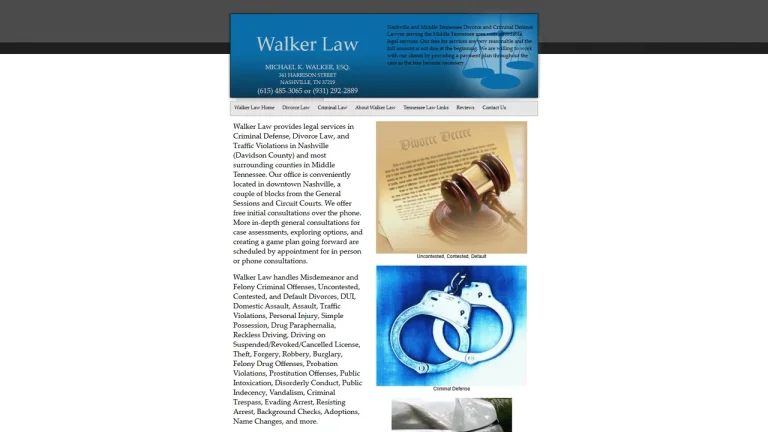
Michael K. Walker, Attorney at Law - Nashville, TN

Coles & Holton, LLP - Nashville, TN
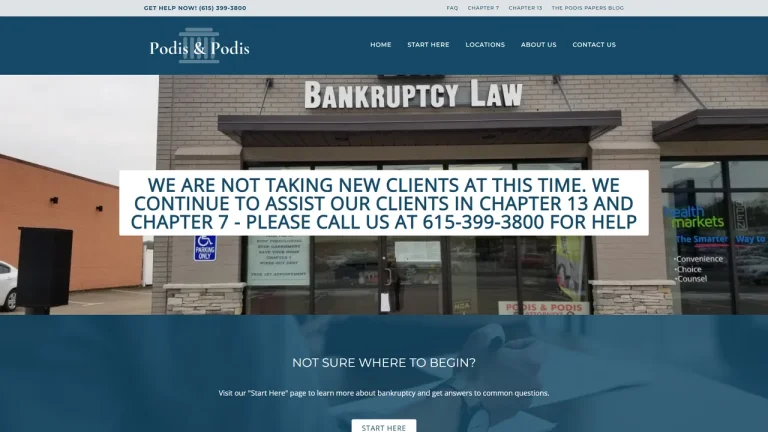
Podis & Podis - Belle Meade, TN
Mitchell E. Chessman, Bankruptcy Attorney - Nashville, TN

Clark & Washington, P.C. - Nashville, TN
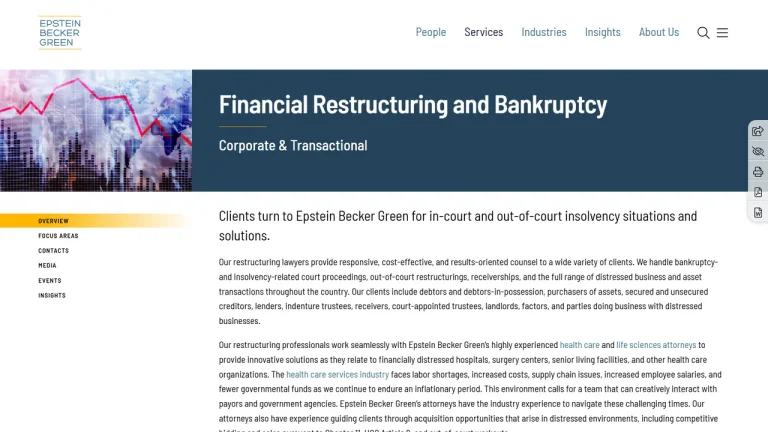
John C. Tishler - Nashville, TN

Chase Moore Law - Nashville, TN

Law Offices of Gerald Wayne Davis - Nashville, TN
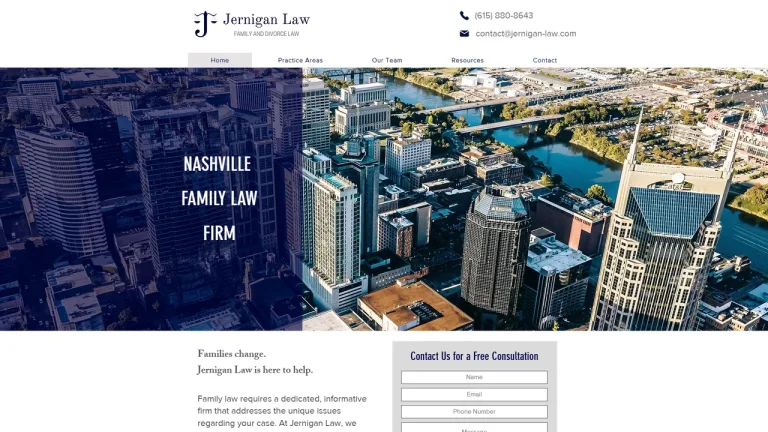
Jernigan Law, PLLC - Nashville, TN
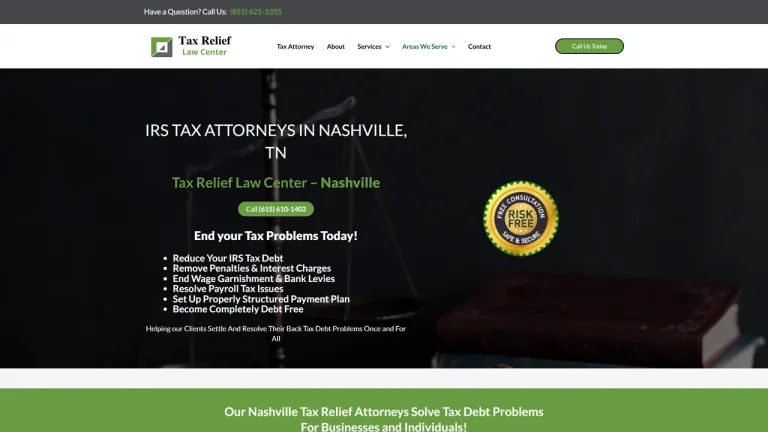
Tax Relief Law Center - Nashville, TN

Puryear Law Group - Nashville, TN

Lawless and Associates, P.C. - Nashville, TN

Partners Tax - Nashville - Nashville, TN
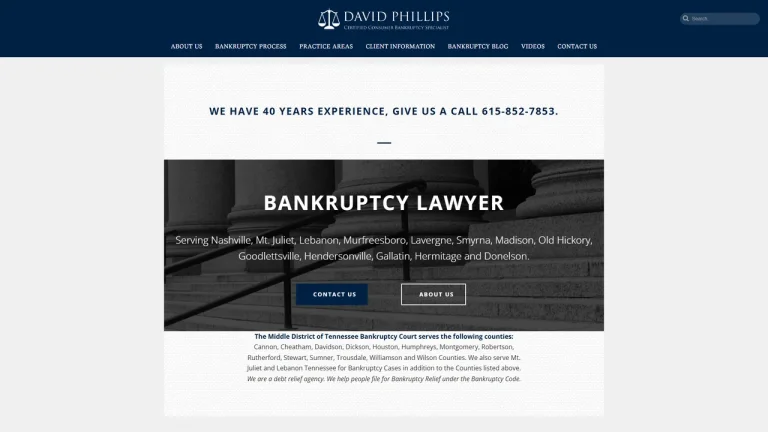
David E. Phillips, Attorney at Law - Nashville, TN
Lefkovitz & Lefkovitz - Nashville, TN

Exo Legal PLLC - Nashville, TN
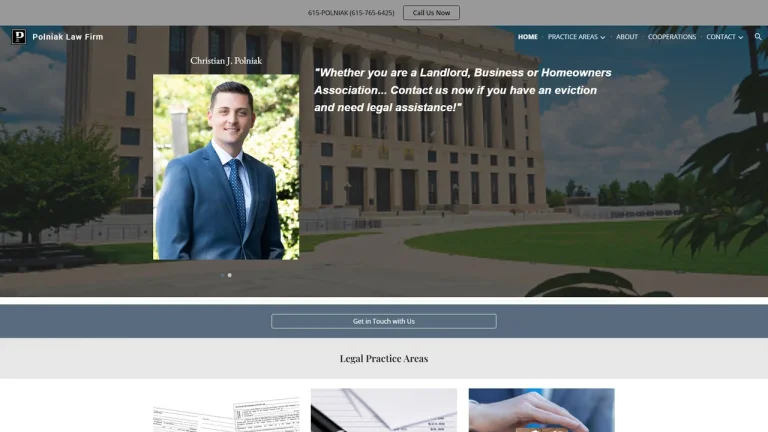
Polniak Law Firm, PLLC - Nashville, TN
Lawless & Associates, P.C. - Nashville, TN

Gearon Law - Nashville, TN
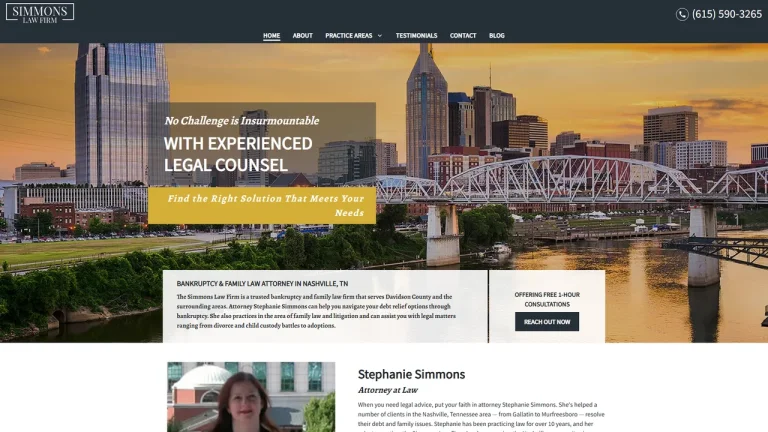
Simmons Law Firm - Nashville, TN

Wilson Legal Services - Nashville, TN

Hope Law Office - Nashville, TN
Strategic Debt Defense and Bankruptcy in Nashville
Consumer and business debt challenges across Middle Tennessee require prompt legal intervention to protect personal bank accounts, paychecks, and real property. From the fast-growing commercial districts in Downtown Nashville and The Gulch to residential communities in Antioch, Donelson, and Madison, creditors move swiftly through judicial channels when balances go unpaid.
Debt collection lawsuits and post-judgment enforcement throughout Davidson County are primarily handled in the 20th Judicial District of Tennessee, with initial warrants in debt and garnishment hearings heard at the Justice A.A. Birch Building on Second Avenue North. Formal equity relief, receiverships, and higher-dollar collection disputes proceed before the Davidson County Chancery Court at the Historic Metro Courthouse on Public Square.
When comprehensive debt restructuring or legal discharge becomes necessary, cases fall under the federal jurisdiction of the United States Bankruptcy Court for the Middle District of Tennessee, situated at the Fred D. Thompson U.S. Courthouse and Federal Building on Church Street. A knowledgeable Nashville debt relief lawyer steps in to enforce statutory bankruptcy protections, defend against debt buyer lawsuits, and negotiate private workouts that prevent judgment liens against your home.
Common Nashville Debt Relief Legal Costs & Fee Structures
| Case Scenario | Fee Structure | Estimated Cost (USD) | Key Cost Determinants |
|---|---|---|---|
| Private Debt Settlement Negotiation | Flat Fee / Percentage of Savings | $750 - $2,500 | Number of delinquent creditors, gross balance size, availability of lump-sum funds |
| Chapter 7 Individual Bankruptcy | Standard Flat Fee | $1,200 - $2,200 | Means test income qualifications, asset exemption planning, total creditor volume |
| Chapter 13 Debt Reorganization Plan | Court-Approved Standard Fee | $3,500 - $4,500 | Mortgage arrearage calculations, vehicle cram-down issues, disposable monthly income |
| General Sessions Collection Lawsuit Defense | Flat Fee or Hourly | $1,000 - $3,500 | Chain of title documentation, disputed charges, potential consumer protection counterclaims |
Critical Legal Deadlines & Statutes in Tennessee
Tennessee debt litigation operates under rigorous statutory deadlines that require swift responses to prevent wage garnishments and bank account seizures. Under Tenn. Code Ann. § 28-3-109, the statute of limitations on actions founded on contracts, including credit card debts and commercial notes, is six years from the date of default. If a collection entity files suit after six years, raising this statutory bar provides a complete defense.
Tennessee protects essential debtor assets through defined statutory exemptions. Under Tenn. Code Ann. § 26-2-103, debtors may exempt up to $10,000 in personal property from execution, seizure, or attachment. For residential real estate, the homestead exemption under Tenn. Code Ann. § 26-2-301 shields equity up to $5,000 for individual owners and $7,500 for joint owners, with expanded allowances for older or disabled individuals. Wage garnishment caps are strictly regulated under Tenn. Code Ann. § 26-2-106, limiting wage deductions to protect basic subsistence income.
When filing federal bankruptcy, filing a petition activates an immediate statutory shield under 11 U.S. Code § 362 known as the Automatic Stay. This court order instantaneously halts state court lawsuits, ongoing wage levies, foreclosure sales, and vehicle repossessions across Davidson County. Under 11 U.S. Code § 704, Chapter 7 liquidations discharge eligible unsecured obligations, while 11 U.S. Code § 1322 governs multi-year structured repayment plans.
General Sessions Court vs. Federal Bankruptcy Representation
In Davidson County, collection agencies and third-party debt buyers routinely file civil warrants in debt within the Shelby County or Davidson County General Sessions Court system. Under Tenn. Code Ann. § 16-15-501, the Davidson County General Sessions Court - Civil Division has jurisdictional authority over civil claims up to $25,000. Individuals facing a low-balance dispute from an identifiable original creditor may occasionally negotiate a payment plan without an attorney at the Justice A.A. Birch Building.
However, when multiple creditors initiate simultaneous legal actions, or when an aggressive debt buyer secures a default judgment that triggers bank account freezes, pro se representation leaves debtors vulnerable. Non-lawyers rarely identify procedural defects in chain-of-title assignments or know how to assert affirmative defenses under Tenn. Code Ann. § 47-18-104. Furthermore, state court judges cannot discharge debts or grant bankruptcy relief. Retaining an experienced Nashville debt relief lawyer enables you to transition from defensive litigation in state court to federal bankruptcy court, wiping away qualifying balances and permanently protecting your income.
Red Flags to Avoid When Selecting Nashville Debt Relief Counsel
Protecting your financial future requires working with a licensed Tennessee attorney rather than predatory third-party services. Watch for these common warning signs:
- Out-of-state telemarketing debt settlement companies that claim they can resolve debts without ever entering an appearance in Davidson County courts.
- Companies advising you to cease all communication with creditors without filing bankruptcy or securing written forbearance agreements, which guarantees collection lawsuits.
- Firms demanding massive upfront fees for debt consolidation before providing any concrete accounting or attorney-client representation agreement.
- Practitioners who push every debtor into Chapter 13 repayment plans without evaluating whether an immediate Chapter 7 discharge is legally available.
Frequently Asked Questions
What is the statute of limitations on consumer debt in Tennessee?
Under Tenn. Code Ann. § 28-3-109, creditors have six years from the date of initial default or the last voluntary payment to bring a lawsuit for breach of contract or unpaid accounts. Once the six-year window elapses, the debt is considered time-barred, although making a partial payment can inadvertently restart the clock.
Can a creditor garnish my paycheck in Davidson County?
Yes, but a creditor must first obtain a civil court judgment against you in the General Sessions Court or Circuit Court. Once a judgment is entered, Tenn. Code Ann. § 26-2-106 allows garnishment of non-exempt disposable earnings, subject to statutory caps designed to protect basic living expenses.
Where are bankruptcy hearings held for Nashville residents?
Bankruptcy cases for Davidson County residents are filed with the United States Bankruptcy Court for the Middle District of Tennessee, located in the Fred D. Thompson U.S. Courthouse at 719 Church Street in Downtown Nashville. Creditor meetings (341 meetings) are administered under the supervision of the local U.S. Trustee.
How does the automatic stay protect me once bankruptcy is filed?
Enacted under 11 U.S. Code § 362, the automatic stay takes effect immediately upon filing your petition. It legally prohibits debt collectors, mortgage companies, and auto lenders from calling you, proceeding with foreclosure, seizing collateral, or continuing garnishment proceedings.
Can a debt relief lawyer negotiate my debts without filing for bankruptcy?
Yes. A Nashville debt relief attorney can negotiate formal lump-sum settlements or structured forbearance agreements with creditors outside of court. Unlike non-attorney settlement companies, a lawyer can also defend you in court if a creditor files a lawsuit while negotiations are ongoing.