
Bankruptcy Lawyers in Utah
Retaining an experienced Utah bankruptcy attorney ensures your home equity, wages, and personal assets are shielded under state statutory exemption laws. Skilled legal representation helps you navigate Chapter 7 liquidation or Chapter 13 restructuring, halting creditor collections and foreclosure sales immediately. Explore our directory below to connect with verified Utah bankruptcy lawyers for a confidential debt evaluation.

Consumer Bankruptcy Law Project - Salt Lake City, UT

Alta Legal - Provo, UT
Harward & Associates - Salt Lake City, UT

1LAW - Salt Lake City, UT
Law Offices of Andrew Clawson - Salt Lake City, UT
Smart Schofield Shorter, P.C. Salt Lake City, UT
Lewis Adams & Associates - West Jordan, UT

Nonprofit Legal Services of Utah Salt Lake City, UT

Blue Bee Bankruptcy Law Salt Lake City, UT
McKay, Burton & Thurman, P.C. - Salt Lake City, UT
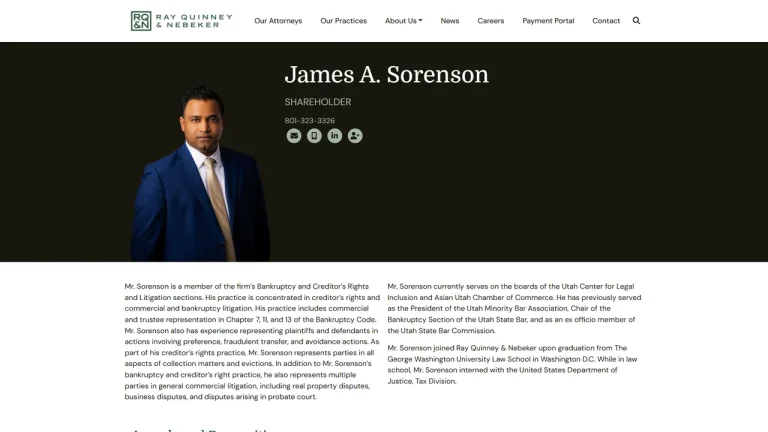
James A. Sorenson, Attorney at Ray Quinney & Nebeker - Salt Lake City, UT

Moskowitz LLP - Salt Lake City, UT

Larsen Law Firm - Provo, UT
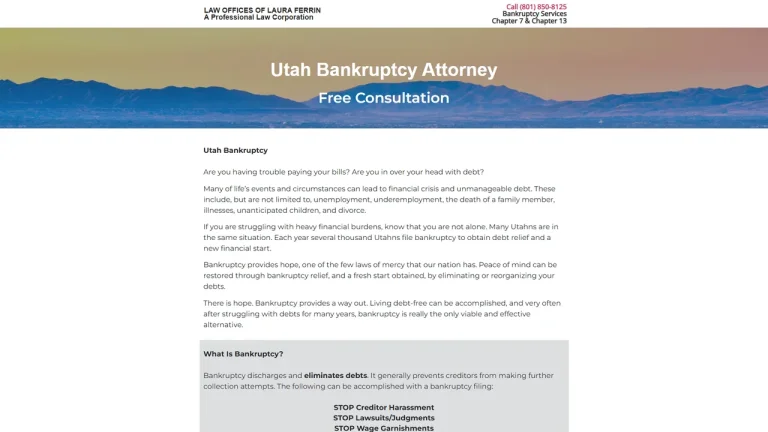
Law Offices of Laura Ferrin, P.C. - Salt Lake City, UT
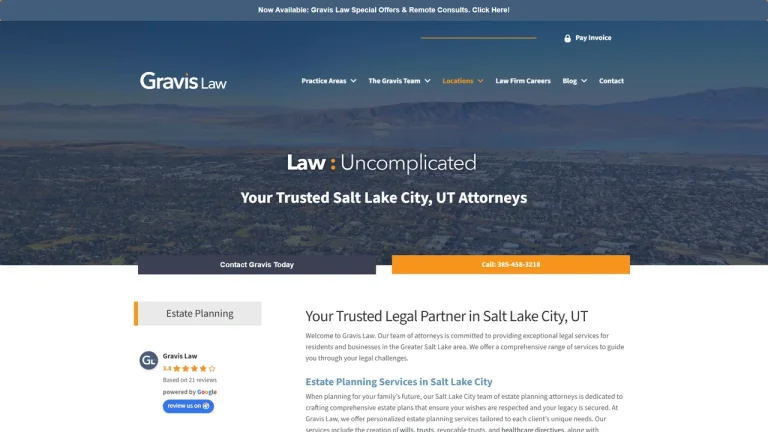
Gravis Law, PLLC - Salt Lake City, UT

Good Attorney, PC - Salt Lake City, UT
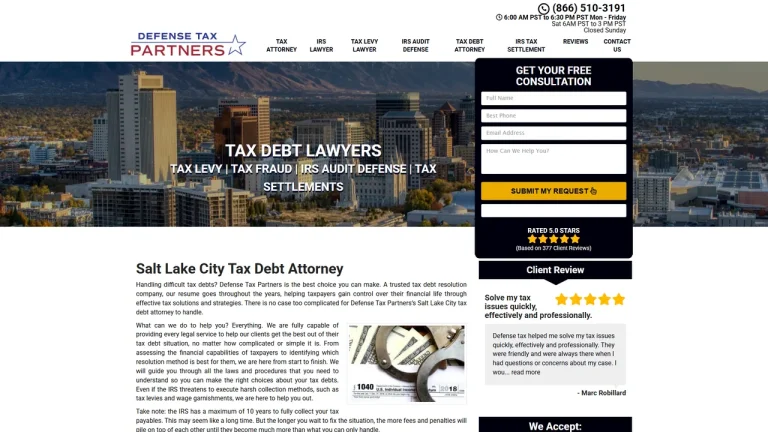
Defense Tax Partners - Salt Lake City, UT

Avery Burdsal & Fale - Provo, UT
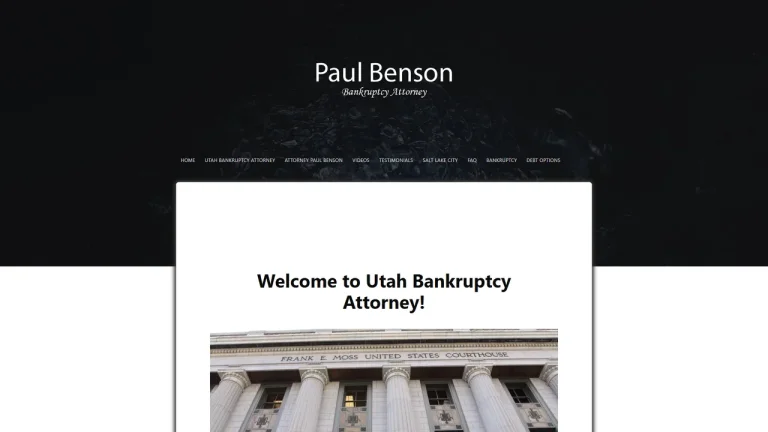
Law Office of Paul Benson in Salt Lake City Salt Lake City, UT
Utah Bankruptcy, Inc. - Salt Lake City, UT

Utah Bankruptcy Clinic, LC - Provo
J G Moody Law PLLC - Provo, UT
Ascent Law - West Jordan, UT

The Role of Local Counsel in the Utah Bankruptcy Court
Filing for bankruptcy in Utah falls under the exclusive federal jurisdiction of the United States Bankruptcy Court for the District of Utah. Presiding from the federal courthouses in Salt Lake City, with regular hearing dockets conducted for residents in Ogden, Provo, and St. George, the court adjudicates debt relief petitions under the Federal Bankruptcy Code while applying Utah-specific exemption statutes.
Utah has opted out of the federal bankruptcy exemptions, meaning filers must protect their property using exemptions established under Utah state law. Retaining a local attorney admitted to practice before the District of Utah ensures that your assets are properly claimed under the Utah Exemptions Act, protecting your homestead, motor vehicles, retirement pensions, and tools of the trade from chapter trustees.
Local legal counsel provides immediate relief through the statutory Automatic Stay, stopping aggressive collection efforts, wage garnishments, bank levies, and pending sheriff foreclosure sales across Salt Lake, Utah, Davis, Weber, and Washington counties. Your attorney negotiates out-of-court settlements or formalizes court-supervised reorganization plans to secure an unencumbered financial restart.
Common Utah Bankruptcy Scenarios, Fee Structures, and Costs
| Case Scenario | Fee Structure | Estimated Cost (USD) | Key Cost Determinants |
|---|---|---|---|
| Individual Chapter 7 Liquidation | Flat Fee ($1,200 - $2,200) + $338 court filing fee | $1,538 - $2,538 | Household median income comparison, asset exemption complexity, non-dischargeable claims |
| Chapter 13 Wage Earner Reorganization | Court-Approved No-Look Fee + $313 filing fee | $3,500 - $4,500 (amortized into monthly plan) | Mortgage arrears curing, vehicle loan cram-downs, priority tax repayment structuring |
| Small Business Reorganization (Subchapter V) | Staged Retainer + Hourly ($350 - $550/hr) | $10,000 - $25,000+ | Cash collateral motions, restructuring plan confirmation, creditor voting dynamics |
| Adversary Proceeding Defense | Retainer + Hourly ($300 - $475/hr) | $4,000 - $12,000 | Allegations of fraud, preferential transfers, nondischargeability complaints under 11 U.S.C. § 523 |
Critical Legal Deadlines & Statutes in Utah
Because Utah opted out of federal bankruptcy exemptions, real property protections are governed by the Utah Exemptions Act, codified at Utah Code Ann. § 78B-5-503. Under this statute, an individual debtor may exempt up to $47,400 in value of a primary personal residence, shielding built-up equity from bankruptcy liquidation.
Procedural deadlines in the District of Utah are strictly monitored by federal bankruptcy trustees. Pursuant to Federal Rule of Bankruptcy Procedure 2003(a), the mandatory Section 341 meeting of creditors must be scheduled within 21 to 40 days after the voluntary bankruptcy petition is filed with the court. Under Federal Rule of Bankruptcy Procedure 4004(a), creditors or the bankruptcy trustee have strictly 60 days following the first date set for the Section 341 meeting of creditors to file a complaint objecting to the debtor discharge or contesting the dischargeability of a specific debt under 11 U.S. Code § 523.
Chapter 13 reorganizations involve strict filing calendars. Under Federal Rule of Bankruptcy Procedure 3015(b), a Chapter 13 debtor must file a repayment plan within 14 days after filing the petition, and must commence making plan payments within 30 days of the petition filing pursuant to 11 U.S. Code § 1326(a)(1). For underlying consumer obligations, the Utah statute of limitations for debt collection under Utah Code Ann. § 78B-2-309 establishes a 6-year period for actions founded on written debt instruments.
Small Claims Limits vs. Professional Representation in Utah
Utah Justice Courts and District Courts manage a Small Claims Division with a statutory ceiling of $15,000 pursuant to Utah Code Ann. § 78A-8-102. While individuals can defend against minor creditor collection claims pro se in small claims court, small claims judges possess zero authority to discharge debts or grant bankruptcy relief, which is restricted exclusively to federal bankruptcy courts under 28 U.S. Code § 1334.
Attempting to file bankruptcy pro se in the District of Utah exposes debtors to catastrophic risks. Misinterpreting the means test under 11 U.S. Code § 707(b) can lead to involuntary dismissal with prejudice, while incorrectly claiming exemptions under Utah Code Ann. § 78B-5-505 can cause a trustee to seize and sell family vehicles or liquid bank accounts. Furthermore, corporate entities and LLCs cannot file bankruptcy pro se and must be represented by an attorney admitted to the federal bar.
Red Flags When Hiring a Utah Bankruptcy Lawyer
- Volume bankruptcy mills offering teaser rates of $500 that later demand surprise fees to attend the mandatory 341 meeting or file standard reaffirmation agreements.
- Non-attorney petition preparers advertising legal services; petition preparers are legally forbidden from selecting Utah exemptions or advising on bankruptcy timing.
- Attorneys who promise guaranteed Chapter 7 qualification without conducting a thorough analysis of your six-month median household income under the means test.
- Law firms that fail to disclose whether your attorney will personally represent you in hearings before the U.S. Bankruptcy Court in Salt Lake City or delegate your case to an inexperienced third party.
Frequently Asked Questions
Does Utah permit the use of federal bankruptcy exemptions?
No. Utah has opted out of the federal exemption scheme, meaning debtors filing bankruptcy in Utah must utilize state statutory exemptions established under Utah Code Ann. § 78B-5-501 et seq.
How much home equity can I protect in a Utah bankruptcy?
Under Utah Code Ann. § 78B-5-503, an individual debtor can claim a homestead exemption of up to $47,400 in their primary personal residence, or up to $94,800 for married joint owners.
What is the automatic stay in a Utah bankruptcy proceeding?
Codified under 11 U.S. Code § 362, the automatic stay takes effect immediately upon filing a bankruptcy petition, legally prohibiting creditors from initiating or continuing lawsuits, wage garnishments, or foreclosure sales.
Can a corporate entity file bankruptcy without an attorney in Utah?
No. Federal bankruptcy rules require corporations, partnerships, and limited liability companies to be represented by an attorney admitted to practice before the United States Bankruptcy Court for the District of Utah.
What is the deadline for creditors to object to a Chapter 7 discharge in Utah?
Under Federal Rule of Bankruptcy Procedure 4004(a), creditors have exactly 60 days following the first date set for the Section 341 meeting of creditors to file an adversary complaint objecting to the discharge.