
Divorce & Family Law Lawyers in Utah
Find top Utah divorce and family law lawyers to protect your assets, establish fair child custody plans, and navigate state domestic court statutes effectively. Skilled family attorneys safeguard your rights under statutory deadlines, utilizing mediation to resolve domestic disputes without bitter courtroom litigation. Browse our verified statewide directory below to consult an experienced Utah family law practitioner today.
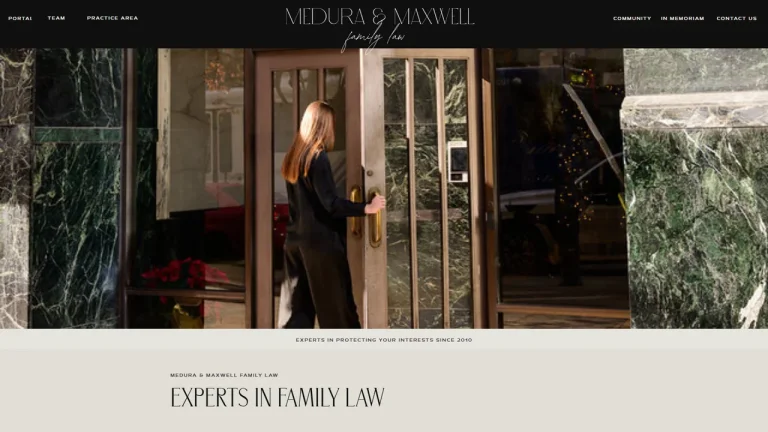
Medura and Maxwell Family Law LLC - Salt Lake City, UT

Utah Criminal Defense Attorneys Salt Lake City, UT

Allan & Easton, LLC - West Jordan, UT

Hanks & Peterson Law PLLC - Salt Lake City, UT

Divorce Lawyer Provo - UT

Utah.Law, P.C. - Provo, UT

Raffone Dessiné Legal Services - West Jordan, UT
Meredith Law Office - Provo, UT
Duvanced Law, PLLC - Provo, UT

Jess Couser Family Law - Salt Lake City, UT

Jose A. Loayza & Associates, PLLC - Salt Lake City, UT
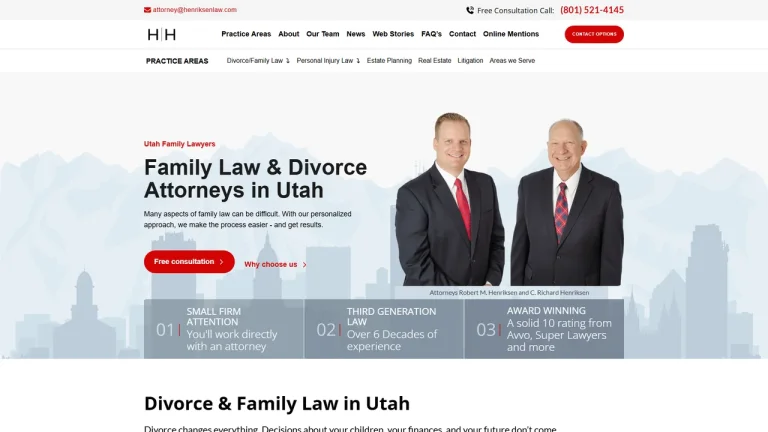
Henriksen and Henriksen - Salt Lake City, UT

Hepworth Legal - Salt Lake City, UT
Shumway Van - Salt Lake City, UT

MacArthur, Heder & Metler, PLLC - Provo, UT
Mark Brown Criminal Defense PLLC Salt Lake City, UT

Sessions and Williams Bankruptcy Attorney - Provo, UT

Fair Price Lawyers - Salt Lake City, UT
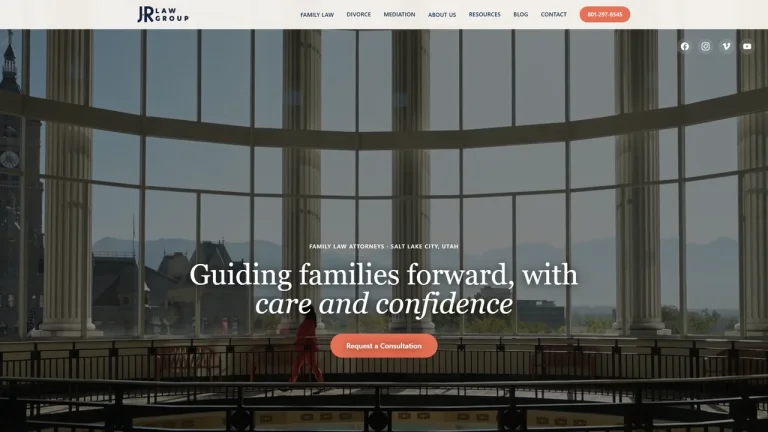
JR Law Group - Salt Lake City, UT

Wall & Wall Attorneys At Law PC - Salt Lake City, UT

Susanne Gustin, Attorney at Law - Salt Lake City, UT

Tangaro Law - Salt Lake City, UT
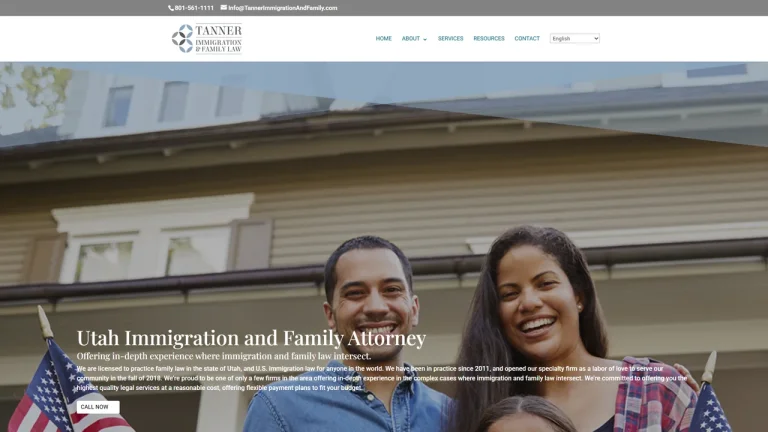
Tanner & Tanner Law LLC - Provo, UT
Navigating Utah Divorce, Family Law, and District Court Authority
Dissolving a marriage or resolving child custody matters in the Beehive State involves navigating the Utah Domestic Relations Code. Whether addressing equitable property division for high-value assets along the Wasatch Front or establishing parent-time arrangements, retaining knowledgeable family law counsel ensures that your parental rights and financial stability are safeguarded.
Exclusive subject matter jurisdiction over divorce, legal separation, child custody, and domestic orders resides in the Utah District Courts across eight judicial districts. Family law cases are heard at major court complexes, including the Matheson Courthouse in Salt Lake City (Third Judicial District), the Fourth Judicial District Court in Provo, the Second Judicial District Court in Ogden, and the Fifth Judicial District Court in St. George. Document submissions and temporary motions are filed electronically via the Utah Courts eFiling system.
Utah courts prioritize the best interests of children and require spouses to complete statutory educational courses and alternative dispute resolution. Engaging experienced local counsel ensures full compliance with statutory disclosure requirements, financial declarations, and mandatory court-ordered mediation.
Typical Fee Structures and Scope for Utah Family Law Proceedings
| Case Scenario | Fee Structure | Estimated Cost (USD) | Key Cost Determinants |
|---|---|---|---|
| Uncontested Agreed Divorce (Signed Stipulation & Parenting Plan) | Flat Fee | $1,500 - $3,500 | Mutual consensus on property and custody, waiver of hearing, completion of mandatory divorce courses. |
| Contested Divorce with Real Property & Asset Characterization | Hourly Retainer | $5,000 - $15,000+ | Marital home appraisal, retirement account valuation, business asset tracing, mandatory mediation sessions. |
| Contested Custody Dispute with Custody Evaluation | Hourly Retainer + Evaluator Costs | $6,000 - $20,000+ | Private custody evaluator fees, psychological testing, home visits, school records review, trial preparation. |
| High-Net-Worth Divorce with Complex Alimony Claims | Hourly Retainer | $10,000 - $35,000+ | Forensic accounting, business valuation experts, executive stock options, multi-day District Court trial. |
Critical Legal Deadlines & Statutes in Utah
Parties filing for divorce in Utah must satisfy statutory residency requirements. Under Utah Code § 81-4-402, the petitioner or respondent must have been an actual and bona fide resident of the state and of the county where the action is filed for at least ninety days immediately prior to filing the divorce petition.
Utah imposes a mandatory thirty-day waiting period under Utah Code § 81-4-402. The court cannot sign a decree of divorce until at least thirty days have elapsed from the filing date, unless the court grants a motion waiving the waiting period upon a showing of extraordinary circumstances. Furthermore, when minor children are involved, parents must attend mandatory divorce education and divorce orientation classes under Utah Code § 81-4-105 before a final decree is granted.
Property division in Utah follows an equitable distribution model under Utah Code § 81-4-405, where courts divide marital assets and debts fairly, though not necessarily on an equal fifty-fifty basis. Custody and parent-time determinations prioritize the best interest of the child under Utah Code § 81-9-204, with standard parent-time schedules established by Utah Code § 81-9-302 and equal parent-time schedules governed by Utah Code § 81-9-304. Child support calculations are strictly guided by state formula schedules under Utah Code § 78B-12-205.
Small Claims Limitations vs. District Court Family Representation
Understanding court jurisdictional limits is essential for spouses confronting family disputes. In Utah, Justice Courts handle small claims matters capped at $20,000 under Utah Code § 78A-8-102. However, Justice Courts and small claims divisions have zero subject matter jurisdiction over divorce actions, legal separation, child custody determinations, or domestic support orders.
All domestic relations proceedings fall exclusively within the jurisdiction of Utah District Courts. Attempting to handle a contested divorce or custody matter pro se carries severe risks. Unrepresented litigants frequently make errors on Financial Declarations under Utah Rule of Civil Procedure 26.1, misunderstand retirement division via Qualified Domestic Relations Orders (QDROs), or forfeit critical parent-time rights.
Retaining an experienced Utah family law lawyer ensures that separate property is protected, financial disclosures are fully verified, mandatory mediation is handled strategically, and parental relationships are secured under enforceable court decrees.
Red Flags When Hiring a Utah Divorce & Family Lawyer
- Promising guaranteed custody outcomes or specific alimony awards before completing required Financial Declarations under state court rules.
- Failing to advise clients regarding the mandatory thirty-day statutory waiting period or required parental education classes under Utah Code § 81-4-402.
- Encouraging high-conflict litigation tactics that deplete retainers instead of engaging in required domestic mediation.
- Inability to verify active licensure and good standing through the Utah State Bar directory in Salt Lake City.
Frequently Asked Questions
What are the residency requirements for filing for divorce in Utah?
Under Utah Code § 81-4-402, either you or your spouse must have lived in Utah and in the county where you file for at least ninety days immediately prior to filing.
How long is the mandatory waiting period for a divorce in Utah?
Under Utah Code § 81-4-402, there is a mandatory thirty-day waiting period between filing the petition and entry of the divorce decree, which can be waived only upon proving extraordinary circumstances.
How is marital property divided in a Utah divorce?
Pursuant to Utah Code § 81-4-405, Utah is an equitable distribution state where judges divide marital assets and debts fairly based on factors such as earning capacity and marriage length.
Are divorcing parents required to take educational classes in Utah?
Yes. Under Utah Code § 81-4-105, parents with minor children must complete both a divorce orientation and a divorce education course before a final decree is granted.
How does Utah determine child custody and parent-time?
Utah courts evaluate custody according to the best interest of the child under Utah Code § 81-9-204, awarding parent-time based on statutory schedules under Utah Code § 81-9-302 or equal parent-time under Utah Code § 81-9-304.