
Drug Crime Defense Lawyers in Utah
Facing controlled substance allegations across Utah demands an immediate strategic defense to protect your constitutional rights and preserve your future. Engaging a dedicated Utah drug crime defense lawyer allows you to challenge vehicle stops, pursue diversion programs, and avoid prolonged trial exposure. Explore our directory below to connect with verified defense attorneys practicing in your judicial district.
Rudy Bautista - Salt Lake City, UT
Law Office of Michael J. Langford P.C. - Salt Lake City, UT
Tyler Williams Criminal Defense Attorney - Salt Lake City, UT

Pacific Legal Group - Provo, UT
Law Office of Vinh K. Ly, PLLC - Salt Lake City, UT
Branson West Law - Salt Lake City, UT

Pawelek Law - Provo, UT

Craig Johnson Law - Provo, UT
Utah Criminal Defense Attorneys Salt Lake City, UT
Liberty Law - Salt Lake City, UT
Morris Law Group, PLLC - West Jordan, UT
Salt City Defense - Salt Lake City, UT

Esplin Weight, Attorneys at Law - Provo, UT
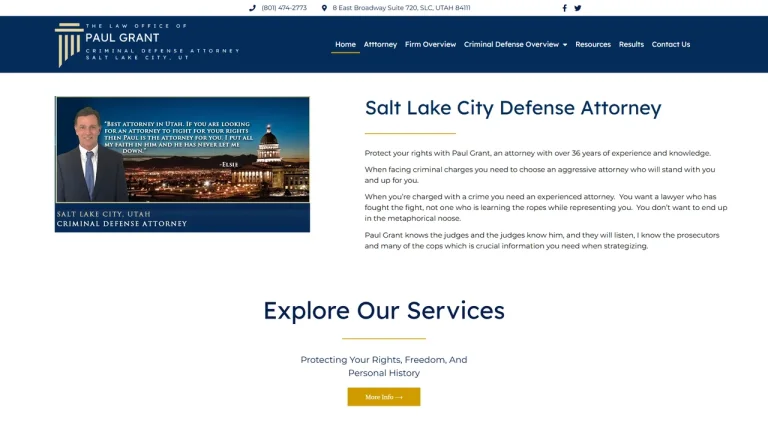
Paul Grant Attorney at Law - Salt Lake City, UT
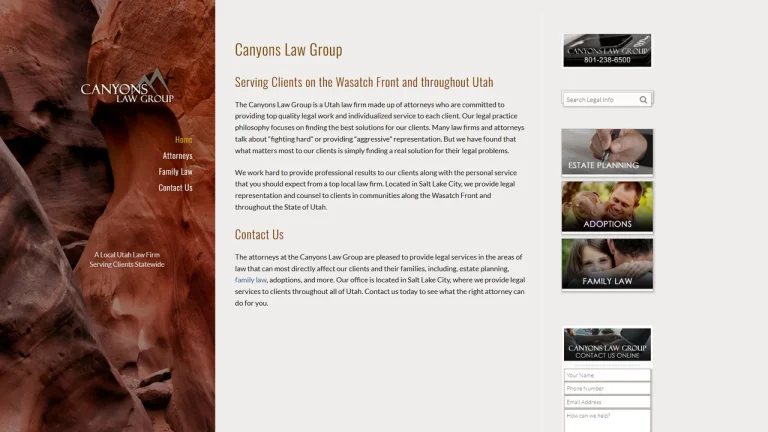
Canyons Law Group, LLC - Salt Lake City, UT
Allan & Easton, LLC - Provo, UT
Blackley & Wingad, Attorneys at Law - Salt Lake City, UT

Matthew Jube, Attorney at Law - Provo, UT
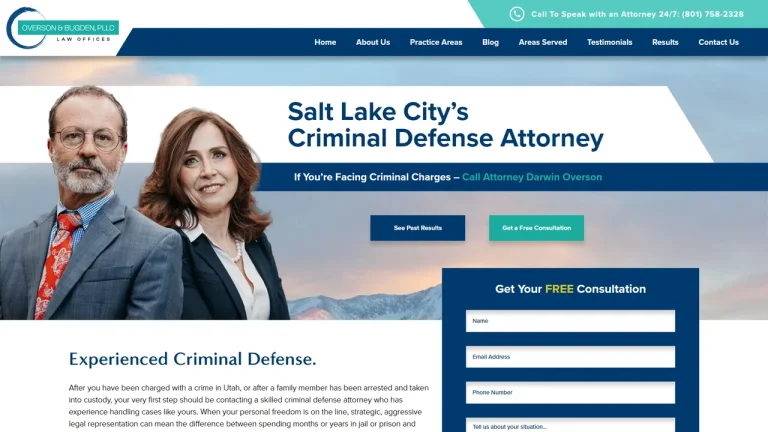
Overson & Bugden PLLC - Salt Lake City, UT
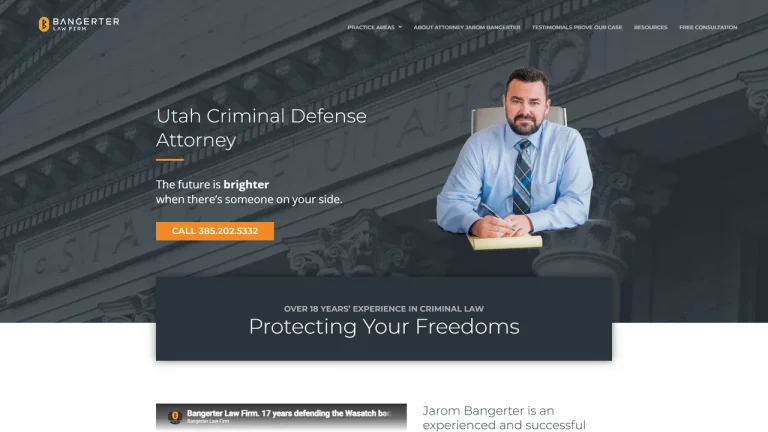
Bangerter Law Firm, PLLC - Salt Lake City, UT

Tangaro Law - Salt Lake City, UT

Bugden and Isaacson LLC - Salt Lake City, UT
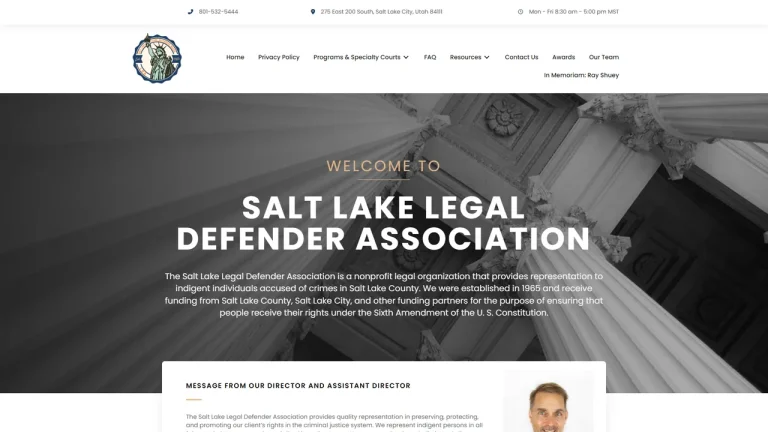
Salt Lake Legal Defender Association - Salt Lake City, UT
Navigating Utah Drug Offense Jurisdiction and Court Procedures
Controlled substance prosecutions in Utah operate under the rigorous oversight of the Utah State Courts system. Depending on the geographical origin of the alleged offense, felony matters are formally adjudicated across regional district court benches, such as the 3rd Judicial District Court in Salt Lake City, the 4th Judicial District Court in Provo, or the 2nd Judicial District Court in Ogden. Meanwhile, local misdemeanor possession citations frequently originate in municipal or county Justice Courts before potential bind-over or consolidation.
Utah enforces the Utah Controlled Substances Act through coordinated operations involving local municipal police departments, county sheriff divisions, and the Utah Department of Public Safety (DPS). Prosecutors pursue convictions tenaciously, seeking mandatory driver license revocations, significant statutory fines, and incarceration in regional correctional facilities or the Utah State Correctional Facility. Securing legal representation familiar with local county attorney screening practices is crucial to identifying evidentiary vulnerabilities early in the prosecution process.
A qualified defense attorney verified through the Utah State Bar evaluates whether law enforcement officers adhered strictly to Fourth Amendment standards during traffic interdictions, canine sniffs, and residential searches. By challenging flawed search warrant affidavits and involuntary interrogations, counsel can petition the court for formal suppression orders, effectively dismantling the state's case prior to trial.
Defense Attorney Fee Structures for Utah Drug Charges
| Case Scenario | Fee Structure | Estimated Cost (USD) | Key Cost Determinants |
|---|---|---|---|
| Misdemeanor Possession (Class B / Class A) | Flat Retainer | $1,500 - $4,500 | Substance schedule, criminal history tier, qualification for Utah Drug Court or Plea in Abeyance. |
| Felony Possession with Intent to Distribute | Tiered Retainer / Hourly | $5,000 - $12,500 | Statutory drug quantities, proximity to protected school zones, cell phone extraction evidence. |
| Drug Manufacturing or Clandestine Lab Operation | Retainer + Hourly Trial Surcharge | $12,000 - $30,000+ | Chemical precursor volume, environmental hazard claims, independent forensic chemical testing fees. |
| Prescription Drug Fraud / Forgery | Structured Flat Fee | $4,000 - $9,500 | Number of forged prescriptions, Utah Controlled Substance Database audits, concurrent professional licensing risks. |
Critical Legal Deadlines & Statutes in Utah
Timing plays a defining role in defending against narcotics allegations in Utah. The statutory limitations period governing criminal prosecutions is codified under Utah Code § 76-1-302. Under this statute, prosecutors must formally commence felony drug prosecutions within 4 years of the alleged incident. Misdemeanor drug charges, including Class A and Class B offenses, carry a strict 2-year statute of limitations, while infraction-level matters must be filed within 1 year.
Substantive drug charges are prosecuted under Utah Code § 58-37-8, which outlines classification criteria and mandatory minimums based on controlled substance schedules. In addition to criminal court calendars, individuals face severe administrative actions. Convictions involving motor vehicles trigger automatic license suspensions administered by the Utah Driver License Division, requiring administrative defense notices and hearing filings within narrow statutory windows following preliminary hearings. Furthermore, requests for diversion agreements must comply with Utah Code § 77-2a-1 before sentencing occurs.
Small Claims Limits vs. Criminal Court Realities in Utah
Pursuant to Utah Code § 78A-8-102, civil small claims jurisdiction across Utah Justice Courts is capped at $15,000. While small claims courts allow self-represented individuals to settle low-stakes contract controversies or minor property disputes without formal legal counsel, criminal drug allegations exist in an entirely separate judicial tier with life-altering repercussions.
Attempting to represent oneself against state drug offenses in Utah District Courts is extremely hazardous. Criminal convictions cannot be remedied through financial settlements; they establish permanent criminal records, dismantle occupational licenses, and impose jail sentences. Navigating motion practice under the Utah Rules of Criminal Procedure, conducting evidentiary hearings, and negotiating formal reductions demand the nuanced skills of a veteran Utah criminal defense attorney.
Red Flags When Hiring a Drug Defense Attorney in Utah
- Guaranteeing specific case outcomes, dismissals, or plea deals prior to reviewing the formal police reports, body camera footage, and toxicology results.
- Attorneys who lack consistent trial litigation experience in the specific Utah Judicial District where your charges are currently filed.
- Fee agreements that contain hidden surcharges, excluding routine pretrial motion hearings, toxicology expert evaluations, or jury trial days.
- Pressuring clients into accepting the prosecution's first plea proposal without analyzing potential Fourth Amendment unlawful search violations.
Frequently Asked Questions
What is a Plea in Abeyance in Utah drug cases?
A Plea in Abeyance is a statutory agreement governed by state law where a defendant enters a plea of guilty or no contest, but the court delays entry of judgment for a specified timeframe. If the defendant successfully completes conditions such as substance treatment, drug testing, and avoids legal infractions, the charges are dismissed without a permanent criminal conviction on their public record.
Does a drug conviction automatically suspend my Utah driver license?
Certain controlled substance convictions result in an administrative driver license suspension enforced through the Utah Driver License Division. However, an experienced defense attorney can petition the court for hardship driving privileges or resolve the case through alternate statutory dispositions that prevent automatic license suspension.
Can Utah police search my vehicle based on the odor of marijuana?
While vehicle searches historically relied on odor to establish probable cause, Utah's evolving medical cannabis statutes provide legal protections for registered patients who possess medical verification. An experienced attorney can challenge whether the odor alone established lawful probable cause for an extensive warrantless vehicle search.
How does Utah differentiate between simple possession and possession with intent to distribute?
Under state statutes, prosecutors evaluate factors including substance weight, packaging materials, scales, customer ledgers, and large sums of cash to infer an intent to sell. Without direct evidence of a commercial exchange, defense counsel can actively dispute these inferences to reduce felony distribution charges to simple possession.
How do I confirm that a Utah defense attorney is in good standing?
You can verify an attorney's current licensing status, admission date, and formal public disciplinary record directly through the Utah State Bar member directory. Checking bar standing ensures your counsel is fully credentialed to practice in Utah District Courts and appellate tribunals.