
Estate Planning Lawyers in Utah
A Utah estate plan protects family wealth and prevents court guardianship under state law. Experienced estate planning attorneys coordinate trusts, powers of attorney, and healthcare directives tailored to your goals. Explore our directory below to consult verified Utah estate planning lawyers today.

Ray Quinney & Nebeker - Salt Lake City, UT

Utah Business Lawyer Mike Anderson - West Jordan, UT

Law on Call - West Jordan, UT

Scribner Law, P.C. - Provo, UT
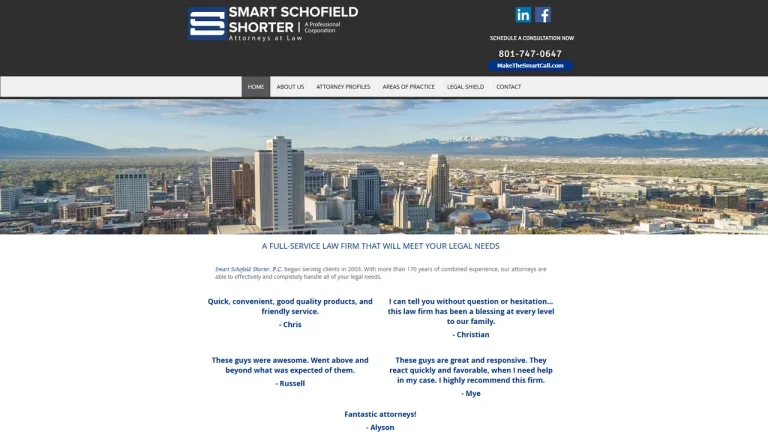
Smart Schofield Shorter, P.C. Salt Lake City, UT

3M Law, PLLC - Salt Lake City, UT

Certus Law Group PLLC - Salt Lake City, UT

Anderson, Fife, Marshall & Johnson, LC - Provo, UT
Jon H. Rogers, Attorney at Law - Salt Lake City, UT

Mark D. Stubbs - Provo, UT

McCullough Law - Provo, UT

Maughan Law, PLLC - Salt Lake City, UT
Utley Law Office PLLC - Provo, UT
Sumsion Business Law - Provo, UT
Ellis Law - West Jordan, UT

Hundley & Harrison - Provo, UT

Law Office of Marc A. Austin, PC - Provo, UT

Private Wealth Law Group, P.C. - Salt Lake City, UT
M. Paige Benjamin, Attorney at Law - Provo, UT
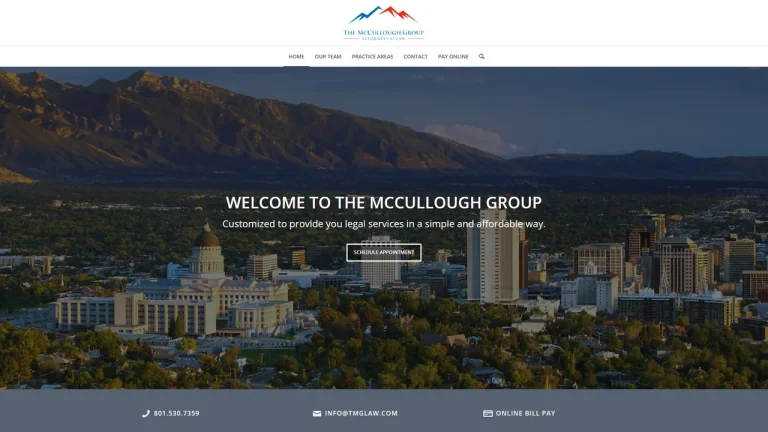
The McCullough Group - Salt Lake City, UT
Raffone Dessiné Legal Services - West Jordan, UT
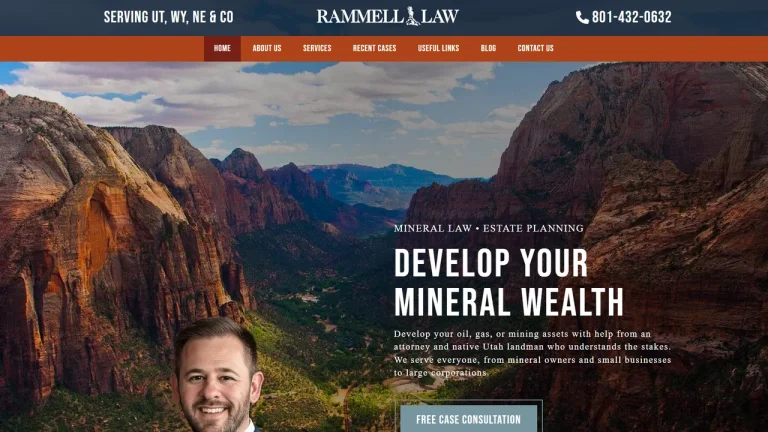
Rammell Law, PLLC - Salt Lake City, UT
Law Office of Richard C. Taggart Salt Lake City, UT
Comprehensive Estate Planning in Utah Courts
Comprehensive estate planning in Utah involves coordinating testamentary distribution, tax planning, and incapacity management into a cohesive legal structure. Rather than relying solely on a simple will, an integrated estate plan protects personal autonomy and financial security across every life stage. Estate planning instruments are governed by interrelated statutory frameworks including the Utah Uniform Probate Code, the Utah Advance Health Care Directive Act, and the Uniform Power of Attorney Act.
When estate instruments require judicial interpretation, or when a family must petition for emergency protective orders, jurisdiction rests with the Utah District Courts. These courts manage probate, trust supervision, and adult guardianship dockets across the state, including the Third Judicial District Court in Salt Lake City, the Fourth Judicial District Court in Provo, and the Second Judicial District Court in Ogden. Proper advance planning keeps personal medical decisions and private financial affairs out of these public court dockets.
Retaining a licensed Utah estate planning attorney admitted to the Utah State Bar ensures your documents comply with strict statutory execution mandates. Experienced counsel drafts living trusts, wills, durable financial powers of attorney, and statutory advance health care directives, while coordinating non-probate beneficiary designations to safeguard your legacy.
Utah Estate Planning Legal Fee Guidelines
| Case Scenario | Fee Structure | Estimated Cost (USD) | Key Cost Determinants |
|---|---|---|---|
| Complete Trust-Based Estate Plan Package | Flat Fee | $2,000 - $5,000 | Revocable living trust, pour-over will, financial POA, health care directive, deed recording. |
| Essential Will-Based Incapacity Package | Flat Fee | $1,000 - $2,200 | Last will, minor guardian nominations, durable financial POA, statutory advance medical directive. |
| High-Net-Worth Wealth Preservation Plan | Flat Fee / Retainer | $5,000 - $15,000+ | Dynasty trusts, business succession buy-sells, domestic asset protection trust structuring. |
| Adult Guardianship & Conservatorship Petition | Hourly / Retainer ($275 - $475/hr) | $3,500 - $9,500 | District Court physician evaluations, court visitor investigation, contested family hearings. |
Critical Legal Deadlines & Statutes in Utah
Incapacity planning in Utah is governed by specific statutory authorities designed to honor individual autonomy. Under the Utah Advance Health Care Directive Act codified at Utah Code Ann. § 75-2a-101, adults may appoint a healthcare agent and execute written end-of-life instructions using the statutory directive form, which requires execution before a qualified witness.
Financial decision-making during incapacity is governed by the Uniform Power of Attorney Act in Title 75, Chapter 9. Under Utah Code Ann. § 75-9-104, a power of attorney created in Utah is durable by default, meaning it remains effective even if the principal becomes incapacitated. However, sensitive financial actions-such as making gifts, changing beneficiary designations, or creating trusts-require express statutory grants of specific authority under Utah Code Ann. § 75-9-201.
If an individual becomes incapacitated without valid advance directives, family members must petition the District Court for adult guardianship under Utah Code Ann. § 75-5-301 or conservatorship under Utah Code Ann. § 75-5-401. For estate asset distribution, probate proceedings must be initiated within three years under Utah Code Ann. § 75-3-107, unless qualifying for summary collection under the $100,000 small estate threshold set forth in Utah Code Ann. § 75-3-1201.
Justice Court Monetary Ceilings vs. District Court Estate Authority
Utah Justice Courts handle small monetary claims up to $20,000 pursuant to Utah Code Ann. § 78A-8-102. However, Justice Courts have zero authority over estate planning, incapacity adjudications, guardianship petitions, or trust administration. All protective proceedings and fiduciary appointments must be adjudicated in Utah District Courts.
Attempting to draft estate planning instruments through automated document websites routinely creates devastating legal complications. Generic forms frequently fail to include specific hot powers required by Utah Code Ann. § 75-9-201, leaving family members powerless to manage retirement accounts or conduct Medicaid long-term care planning when an emergency strikes. Working with a dedicated Utah estate planning attorney ensures all documents satisfy state statutory standards, coordinate with bank titling, and shield your family from public guardianship court proceedings.
Red Flags When Hiring a Utah Estate Planning Lawyer
- Omitting the Utah Statutory Advance Health Care Directive Form: Ensure your lawyer utilizes the official statutory directive format compliant with Utah Code Ann. § 75-2a-101.
- Failing to Grant Specific Hot Powers in Financial POAs: Financial institutions in Utah will reject an agent's attempt to modify trusts or adjust beneficiaries unless express authority is granted under Utah Code Ann. § 75-9-201.
- Ignoring Non-Probate Asset Alignment: Quality estate planning attorneys inspect payable-on-death designations and retirement beneficiary forms to prevent conflicts with your trust or will.
- Failing to Coordinate Real Estate Transfers: An estate plan with an unfunded trust fails to protect real estate from district court probate; verify your counsel prepares and records deeds with the county recorder.
Frequently Asked Questions
What documents are included in a comprehensive Utah estate plan?
A comprehensive Utah estate plan typically includes a revocable living trust, pour-over will, durable financial power of attorney, advance health care directive, and recorded real property deeds.
Is a power of attorney automatically durable in Utah?
Yes. Under Utah Code Ann. § 75-9-104, a power of attorney created in Utah is legally presumed to be durable and survives the principal's incapacity unless expressly stated otherwise.
What is the purpose of the Utah Advance Health Care Directive?
Governed by Utah Code Ann. § 75-2a-101, this document allows you to name a healthcare agent and state specific medical treatment preferences in the event you become unable to speak for yourself.
How does an estate plan prevent court guardianship in Utah?
By executing valid durable powers of attorney and healthcare directives in advance, you designate trusted decision-makers, eliminating the need for family members to seek a court-ordered guardianship under Utah Code Ann. § 75-5-301.
What is the small estate limit in Utah?
Under Utah Code Ann. § 75-3-1201, an estate with a net probate value of $100,000 or less can be collected via affidavit without opening a formal probate court proceeding.