
Bankruptcy Lawyers in Salt Lake City
Retaining an experienced bankruptcy lawyer in Salt Lake City immediately halts creditor harassment, wage garnishments, and residential foreclosures across the Wasatch Front. Local attorneys navigate the federal means test and utilize Utah statutory exemptions to protect your home and vehicle. Explore our verified directory below to schedule a confidential debt relief evaluation with trusted local counsel.

Consumer Bankruptcy Law Project - Salt Lake City, UT
Diaz and Larsen - Salt Lake City, UT
James A. Sorenson, Attorney at Ray Quinney & Nebeker - Salt Lake City, UT
Jon H. Rogers, Attorney at Law - Salt Lake City, UT
The Bankruptcy Center | Skoubye Nielson & Johansen, LLC - Salt Lake City, UT
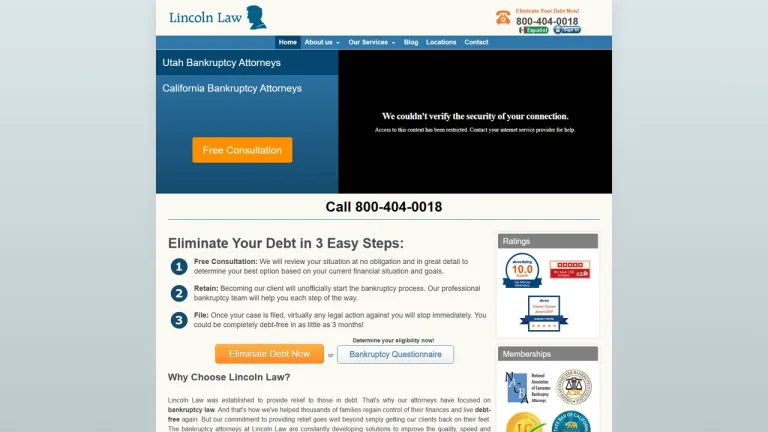
Lincoln Law - Salt Lake City, UT
Law Office of Paul Benson in Salt Lake City Salt Lake City, UT

1LAW - Salt Lake City, UT
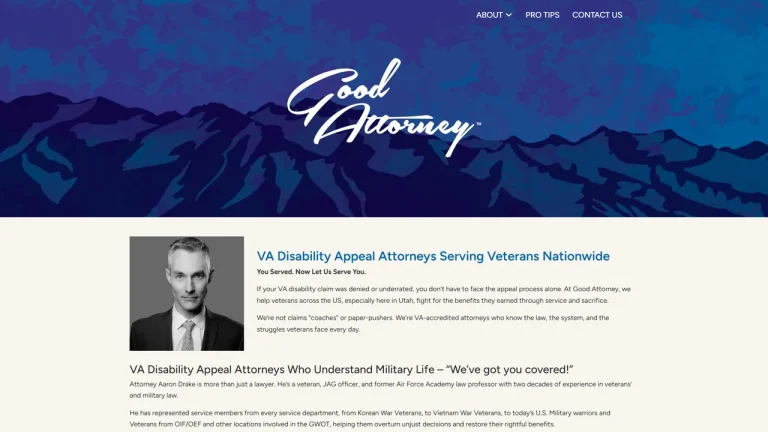
Good Attorney, PC - Salt Lake City, UT
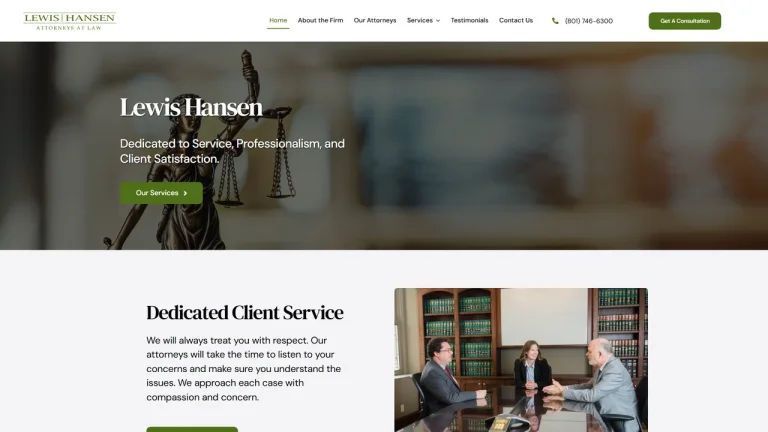
Lewis Hansen Law Firm - Salt Lake City, UT
Utah Bankruptcy, Inc. - Salt Lake City, UT
Dorsey and Whitney LLP - Salt Lake City, UT
Arnold Wadsworth & Coggins Salt Lake City, UT
Defense Tax Partners - Salt Lake City, UT
Law Offices of Andrew Clawson - Salt Lake City, UT

Jose A. Loayza & Associates, PLLC - Salt Lake City, UT

Blue Bee Bankruptcy Law Salt Lake City, UT
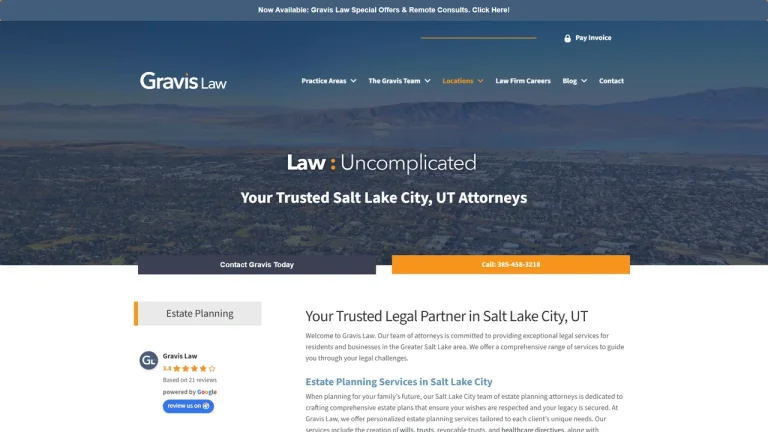
Gravis Law, PLLC - Salt Lake City, UT

Jory L. Trease - Salt Lake City, UT
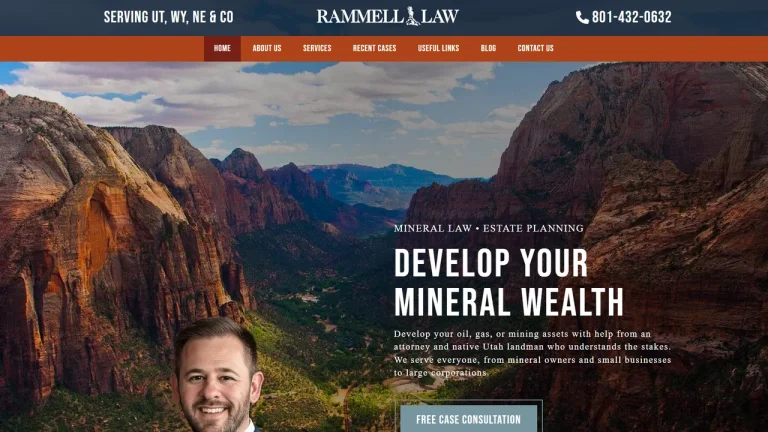
Rammell Law, PLLC - Salt Lake City, UT
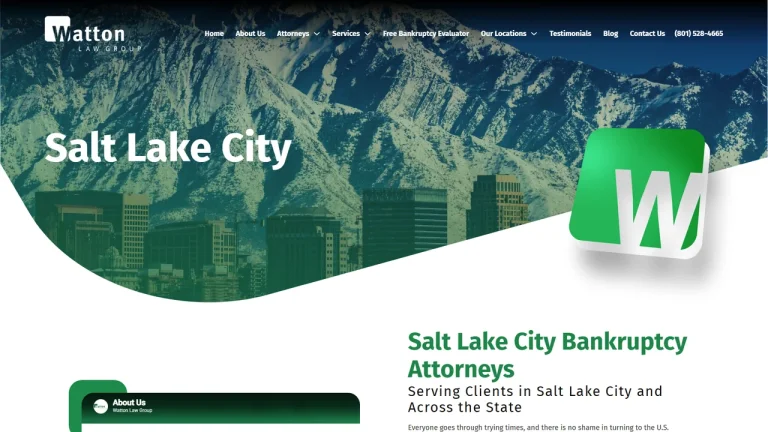
Watton Law Group - Salt Lake City, UT

Wamsley & Associates, L.C. Attorneys and Counselors at Law Salt Lake City, UT
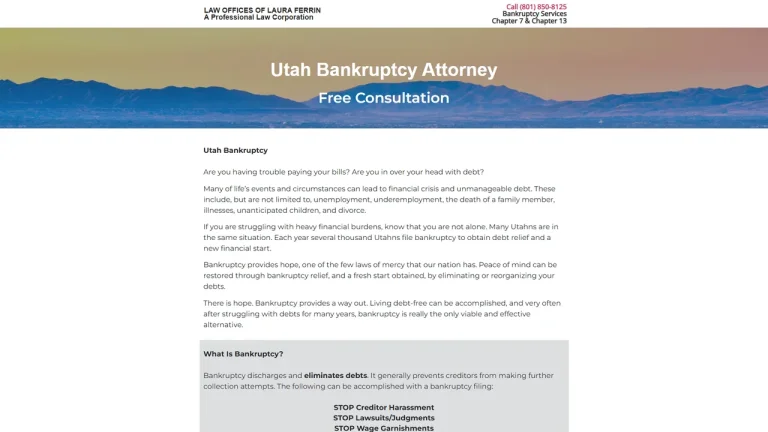
Law Offices of Laura Ferrin, P.C. - Salt Lake City, UT

Federal Bankruptcy Relief Across Salt Lake City and the Wasatch Front
Seeking financial relief through federal bankruptcy in Salt Lake City provides individuals and business owners with a powerful statutory shield against mounting economic hardship. Residents across Salt Lake County-including Salt Lake City, West Valley City, Sandy, Murray, South Jordan, and Draper-frequently confront severe debt crises driven by medical emergencies, business downturns, or escalating consumer credit obligations. Navigating this process requires skilled legal counsel who understands federal court procedures and Utah exemption statutes.
All bankruptcy cases arising in Salt Lake City are filed and adjudicated within the United States Bankruptcy Court for the District of Utah, located at the Orrin G. Hatch United States Courthouse at 351 South West Temple Street in downtown Salt Lake City. Mandatory 341 Meetings of Creditors are administered under the supervision of the United States Trustee. Pleading submissions and financial schedules are managed through the federal CM/ECF electronic portal, requiring precise inventorying of assets, debts, and current income.
Utah is an 'opt-out' jurisdiction under Utah Code § 78B-5-513, meaning debtors filing in Salt Lake City must utilize Utah state statutory exemptions rather than federal bankruptcy exemptions, unless they recently relocated to the state. A local bankruptcy attorney ensures that your home equity, family motor vehicles, retirement accounts, and essential household goods are fully shielded under state law while eliminating qualifying unsecured obligations.
Salt Lake City Bankruptcy Legal Costs and Filing Scenarios
| Case Scenario | Fee Structure | Estimated Cost (USD) | Key Cost Determinants |
|---|---|---|---|
| Chapter 7 Consumer Liquidation | Flat Fee | $1,250 - $2,500 | Utah median income comparison, Means Test complexity, non-exempt asset analysis, total creditor count. |
| Chapter 13 Reorganization Plan | Court-Approved Structured Fee | $3,500 - $5,000 (largely financed through plan) | Mortgage arrears cure schedule, vehicle loan cramdowns, 36 to 60-month debt repayment calculation. |
| Emergency Filing to Stop Foreclosure or Garnishment | Flat Fee | $1,500 - $3,000 | Same-day emergency petition drafting, immediate notice of automatic stay to Salt Lake County Sheriff. |
| Adversary Proceeding & Discharge Defense | Hourly Retainer | $300 - $500 / hr ($3,500 - $10,000 initial) | Defending Section 523 nondischargeability allegations, contested fraud claims, evidentiary hearings. |
Critical Deadlines & Federal Bankruptcy Statutes
Filing for bankruptcy triggers immediate statutory protections and non-negotiable federal deadlines. Under 11 U.S. Code § 362, the filing of a bankruptcy petition creates an automatic stay that instantly halts all collection lawsuits, creditor phone calls, bank levies, residential foreclosures, and wage garnishments across Utah.
Eligibility for Chapter 7 liquidation is governed by the statutory Means Test established under 11 U.S. Code § 707. Debtors whose household income exceeds the median income for Utah must complete detailed expense deductions to establish whether disposable income exists to fund a repayment plan. If eligible, debtors typically receive their final bankruptcy discharge within 60 to 90 days following the 341 Meeting of Creditors pursuant to 11 U.S. Code § 727.
For individuals with steady earnings who seek to protect non-exempt assets or halt a home foreclosure, Chapter 13 permits debt restructuring under 11 U.S. Code § 1322 over a three- to five-year period. Once the court-confirmed repayment plan is completed, the debtor receives a comprehensive discharge under 11 U.S. Code § 1328. To protect assets, Utah residents must apply state exemptions, including the primary personal residence homestead protection under Utah Code § 78B-5-503, vehicle equity protections under Utah Code § 78B-5-506, and personal property exemptions under Utah Code § 78B-5-505.
Small Claims Limits vs. Federal Bankruptcy Court Jurisdiction
Under Utah Code § 78A-8-102, Utah Justice Courts handle civil small claims controversies up to $20,000. Creditors routinely utilize justice courts in Salt Lake County to obtain default judgments and secure wage garnishment orders that intercept up to 25 percent of a worker's disposable pay under Utah Code § 70C-7-103 and Utah R. Civ. P. 64D.
However, state justice courts possess zero legal authority to discharge debts, eliminate creditor claims, or restructure mortgage obligations. Attempting to manage multiple debt collection lawsuits one by one in small claims court leaves individuals vulnerable to perpetual bank garnishments and judgment liens attached to their homes. Federal bankruptcy court in Salt Lake City exercises paramount jurisdiction, permanently extinguishing qualifying unsecured debts and eliminating judgment enforcement actions across all Utah state courts.
Red Flags to Watch for When Hiring a Salt Lake City Bankruptcy Lawyer
- Non-Attorney Petition Preparers: Avoid unlicensed document preparers who type bankruptcy schedules but cannot represent you in court, give legal advice, or protect your assets before the trustee.
- Unrealistic Guarantees Without Asset Audits: Be cautious of firms that promise 100 percent asset retention without reviewing your real estate equity against the limits of Utah Code § 78B-5-503.
- Advising Pre-Bankruptcy Property Transfers: Never work with an attorney who recommends transferring vehicle titles or real estate deeds to family members prior to filing, which constitutes a fraudulent transfer under federal law.
- Demanding Full Chapter 13 Fees Upfront: In the District of Utah, standard Chapter 13 legal fees are structured so that the majority of legal costs are paid over time through the court-confirmed repayment plan.
Frequently Asked Questions
Where is the federal bankruptcy court located in Salt Lake City?
The U.S. Bankruptcy Court for the District of Utah is located at the Orrin G. Hatch United States Courthouse, 351 South West Temple Street, Salt Lake City, UT 84101.
Can I keep my home when filing bankruptcy in Utah?
Yes, depending on your equity. Under Utah Code § 78B-5-503, you can protect home equity up to the statutory homestead exemption amount, and Chapter 13 allows you to cure mortgage arrears over time.
How quickly does bankruptcy stop wage garnishments in Salt Lake County?
Under 11 U.S. Code § 362, the automatic stay takes effect immediately upon filing your petition, legally requiring your employer and creditors to halt all ongoing wage garnishments.
What is the difference between Chapter 7 and Chapter 13 bankruptcy?
Chapter 7 liquidates non-exempt assets to discharge unsecured debts in three to four months, while Chapter 13 reorganizes debts into an affordable three- to five-year repayment plan under 11 U.S. Code § 1322.
Does Utah allow debtors to use federal bankruptcy exemptions?
No. Under Utah Code § 78B-5-513, Utah has opted out of the federal exemption scheme, requiring residents to use the state property exemptions established in the Utah Exemptions Act.