
Bankruptcy Lawyers in Vermont
Retaining a dedicated bankruptcy lawyer in Vermont stops creditor harassment, halts wage garnishment, and protects your essential property under federal law. Skilled debt relief attorneys guide consumers and businesses through Chapter 7 liquidation and Chapter 13 repayment to rebuild financial stability. Explore our verified directory below to schedule a case evaluation with an experienced Vermont bankruptcy attorney.
James Palmisano Law Office - Montpelier, VT

Doremus Kantor & Zullo - Burlington, VT

Kenneth L. Geduldig, Attorney at Law - Burlington, VT

O'Connor First - Burlington, VT
Broadfoot Attorneys at Law - Burlington, VT
Legal Services Vermont - Burlington, VT
Lisman Leckerling PC - Burlington, VT
Law Office James Palmisano - Montpelier, VT

Wiener & Slater, PLLC - Burlington, VT

Downs Rachlin Martin PLLC - Burlington, VT

Primmer Piper Eggleston & Cramer PC - Burlington, VT

Sheehey Furlong & Behm P.C. - Burlington, VT

Paul Frank + Collins P.C. - Burlington, VT
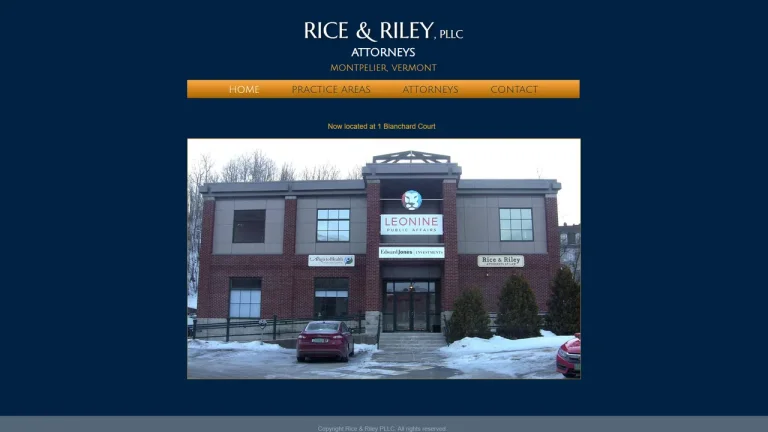
Rice & Riley - Montpelier, VT
Navigating Debt Relief and Bankruptcy Protection in Vermont
Unexpected medical debt, business disruptions, or unmanageable credit balances can place severe financial strain on Vermont individuals and small business owners. Filing for bankruptcy provides immediate federal protection, allowing debtors across Chittenden, Rutland, and Washington counties to reorganize debts or obtain a fresh financial start.
All bankruptcy proceedings in the state fall under the jurisdiction of the United States Bankruptcy Court for the District of Vermont, with divisional courthouses in Burlington and Rutland. The court oversees consumer liquidations under Chapter 7, individual wage-earner reorganizations under Chapter 13, and business restructurings under Chapter 11.
Bankruptcy practice in Vermont requires navigating both local court rules and federal procedures, including coordination with court-appointed Chapter 7 and Chapter 13 trustees. Enlisting a qualified Vermont bankruptcy lawyer ensures strategic exemption selection, accurate disclosure filings, and full protection under the federal automatic stay.
Bankruptcy Attorney Fees & Filing Costs in Vermont
| Case Scenario | Fee Structure | Estimated Cost (USD) | Key Cost Determinants |
|---|---|---|---|
| Individual Chapter 7 Liquidation (Uncontested) | Flat Fee (Plus Court Filing Fee) | $1,200 - $2,500 | Household income level, Means Test complexity, number and type of creditors |
| Individual / Joint Chapter 13 Reorganization Plan | Court-Approved Fee Schedule | $3,000 - $4,500 | Plan repayment term (3 to 5 years), mortgage cure arrears, priority tax obligations |
| Small Business Chapter 11 (Subchapter V) Reorganization | Retainer & Hourly ($300 - $550/hr) | $10,000 - $30,000+ | Commercial lease negotiations, cash collateral motions, secured creditor composition |
| Adversary Proceeding & Dischargeability Defense | Hourly Rate | $2,500 - $10,000 | Allegations of fraudulent transfers, student loan hardship defense, evidentiary hearings |
Critical Legal Deadlines & Statutes in Vermont
Filing for bankruptcy invokes rigid statutory requirements and deadlines under federal law and state exemption statutes:
- Federal Automatic Stay: Governed by 11 U.S. Code § 362, taking effect immediately upon filing to halt debt collection, lawsuits, foreclosures, and wage garnishments.
- Bankruptcy Means Test: Governed by 11 U.S. Code § 707(b), evaluating average household income against Vermont median benchmarks to determine Chapter 7 liquidation eligibility.
- Vermont Homestead Exemption: Governed by 27 V.S.A. § 101, protecting up to $125,000 in equity in a dwelling house, outbuildings, and the land used as a primary residence.
- Vermont Personal Property Exemptions: Governed by 12 V.S.A. § 2740, shielding specified goods, wearing apparel, tools of the trade, and motor vehicles from liquidation.
- Wage Garnishment Protections: Governed by 12 V.S.A. § 3170, limiting the portion of disposable earnings that can be subjected to garnishment orders in Vermont.
- Election of Federal Exemptions: Governed by 11 U.S. Code § 522(d), allowing Vermont bankruptcy filers the strategic option to elect either Vermont state exemptions or federal bankruptcy exemptions.
- Chapter 13 Plan Duration: Governed by 11 U.S. Code § 1322, mandating three-year plans for below-median debtors and five-year repayment plans for above-median debtors.
- Creditor Discharge Objections: Governed by Fed. R. Bankr. P. 4004, requiring creditors to file objections to discharge within 60 days following the first date set for the meeting of creditors.
Small Claims Limits vs. Professional Legal Representation
Under 12 V.S.A. § 5531, the Small Claims Division of the Vermont Superior Court resolves monetary recovery actions up to $5,000. Creditors holding claims below this threshold frequently pursue judgments against debtors in local small claims courts without extensive legal discovery.
However, small claims courts possess no authority to discharge debt, halt mortgage foreclosures across Vermont, or impose federal stays. Creditors with judgment liens can attach assets or initiate post-judgment proceedings unless federal bankruptcy jurisdiction is invoked. Deciding whether to utilize the Vermont state homestead exemption under 27 V.S.A. § 101 or federal exemptions under 11 U.S. Code § 522(d) requires comprehensive legal analysis. Attempting to file pro se risks non-exempt asset liquidation or dismissal with prejudice.
Red Flags When Hiring a Vermont Bankruptcy Attorney
- High-volume petition mills that automate petition drafting without analyzing whether Vermont state exemptions or federal exemptions maximize asset retention.
- Attorneys who fail to disclose mandatory expenses, including credit counseling course fees, debtor education charges, and court administrative costs.
- Firms that send substitute appearance counsel unfamiliar with your financial schedules to the mandatory 341 Meeting of Creditors.
- Lawyers advising clients to transfer property titles or incur credit card debt prior to filing, exposing the debtor to adversary proceedings and loss of discharge.
Frequently Asked Questions
Can I keep my home when filing bankruptcy in Vermont?
Yes. Vermont filers can protect up to $125,000 of equity in their primary residence under the Vermont homestead exemption codified at 27 V.S.A. § 101, or choose federal exemptions under 11 U.S. Code § 522(d) if that structure provides greater asset protection.
Can debtors in Vermont choose between state and federal bankruptcy exemptions?
Yes. Vermont is an opt-in state that permits bankruptcy filers to choose either the Vermont state exemptions or the federal bankruptcy exemptions under 11 U.S. Code § 522(d), depending on which set shields more assets.
What protection does the automatic stay provide in Vermont?
Under 11 U.S. Code § 362, the filing of a bankruptcy petition triggers the automatic stay, immediately halting creditor telephone calls, pending lawsuits, bank garnishments, and residential foreclosure actions.
What is the difference between Chapter 7 and Chapter 13 bankruptcy?
Chapter 7 liquidates non-exempt assets to discharge unsecured debts within several months, while Chapter 13 creates a court-supervised three-to-five-year repayment plan under 11 U.S. Code § 1322 allowing debtors to cure mortgage defaults and protect equity.
How does the Means Test affect bankruptcy filings in Vermont?
Under 11 U.S. Code § 707(b), the Means Test compares a debtor's annualized household income against the median income for Vermont to determine whether the filer qualifies for Chapter 7 liquidation or must file Chapter 13.