
Business & Real Estate Lawyers in Burlington
Connect with skilled business and real estate lawyers in Burlington, Vermont, to protect your commercial investments, manage Act 250 permits, and close transactions with confidence under Vermont property law. Experienced local attorneys help businesses resolve title and contractual disputes through negotiation and mediation, avoiding prolonged courtroom litigation. Explore our directory below to consult a trusted Chittenden County business and real estate attorney.
Clarke Demas & Baker PLC - Burlington, VT

Strouse & Bond, PLLC - Burlington, VT

Strouse & Bond, PLLC - Burlington, VT

Langrock Mediation Center PLLC - Burlington, VT
McVeigh Skiff Attorneys At Law - Burlington, VT
Sylvester Law Firm - Burlington, VT

Monaghan Safar PLLC - Burlington, VT
Horn Wright, LLP - Burlington, VT

Kurt Mehta Attorney - Burlington, VT
Rocheleau Dale A - Burlington, VT
Montroll, Oettinger & Barquist P.C. - Burlington, VT

Little & Cicchetti PC - Burlington, VT
McNeil Leddy & Sheahan PC - Burlington, VT

Merritt & Merritt - Burlington, VT

Cooley, Cooley & Foxx - Burlington, VT
Stark Law, PLLC - Burlington, VT
MSK Attorneys - Burlington, VT
Kenneth L. Geduldig, Attorney at Law - Burlington, VT
McCormick, Fitzpatrick, Kasper & Burchard, P.C. - Burlington, VT

Dinse, Knapp & McAndrew, P.C. - Burlington, VT
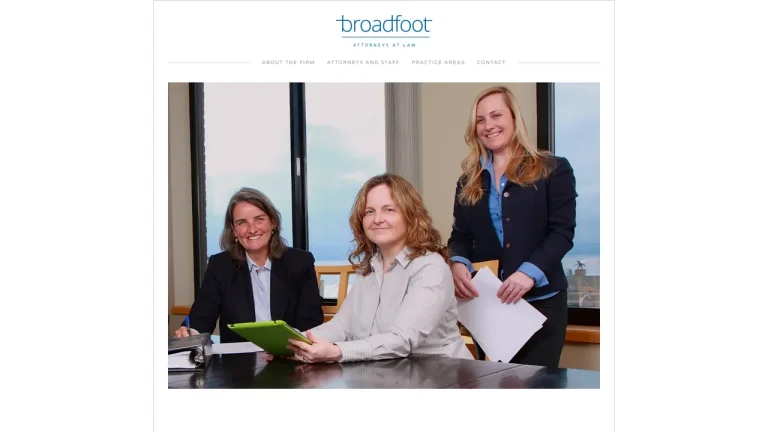
Broadfoot Attorneys at Law - Burlington, VT
Page Law PLLC - Burlington, VT
Bothfeld & Volk, P.C. - Burlington, VT
Commercial Real Estate & Entity Governance in Burlington
Burlington is Vermont's primary commercial, economic, and cultural hub, anchoring Chittenden County along the shores of Lake Champlain. Commercial enterprise and real estate activity range from historical downtown storefronts along Church Street Marketplace and the South End Arts District to industrial complexes and commercial centers in neighboring South Burlington, Essex, Colchester, and Williston.
Real estate litigation, commercial lease controversies, and business contract disputes are adjudicated within the Vermont Superior Court, Chittenden Civil Division, situated at the Costell Courthouse at 175 Main Street in downtown Burlington. Furthermore, commercial land development in Vermont requires strict adherence to Vermont's comprehensive environmental and land use statute, Act 250, administered by the District 4 Environmental Commission. In Vermont, real estate conveyances, easements, and liens are recorded directly with municipal town and city clerks-such as the Burlington City Clerk at City Hall-rather than at a county registry.
Local business attorneys represent commercial enterprises through entity formation under the Vermont Limited Liability Company Act, title examination, municipal zoning appeals, and contract disputes managed via the Judiciary's Odyssey File & Serve platform. Retaining an attorney rooted in Burlington ensures compliance with state environmental land-use mandates and local municipal ordinances while facilitating out-of-court resolutions.
Common Business & Real Estate Legal Engagements
| Case Scenario | Fee Structure | Estimated Cost (USD) | Key Cost Determinants |
|---|---|---|---|
| Vermont LLC Formation & Operating Agreement | Flat Fee | $900 - $2,400 | Single vs. multi-member structuring, member buyout provisions, Secretary of State filing fees |
| Commercial Real Estate Acquisition & Title Review | Flat Fee or Hourly ($275 - $450/hr) | $2,500 - $7,000 | City clerk land record search scope, Act 250 permit reviews, environmental site assessment history |
| Commercial Lease Drafting & Negotiation | Hourly or Flat Rate | $1,200 - $3,500 | Tenant improvement covenants, triple net allocations, local municipal zoning compliance |
| Complex Commercial & Boundary Litigation | Hourly Retainer ($325 - $550/hr) | $10,000 - $35,000+ | Deposition volume, expert surveyor reports, Chittenden Civil Division trial preparation |
Critical Legal Deadlines & Statutes in Vermont
Commercial transactions, corporate governance, and property disputes in Vermont are governed by precise statutory limitation periods and regulatory provisions:
- Statute of Limitations for Contracts: Under 12 V.S.A. § 511, civil actions for breach of contract, debt recovery, and commercial claims must be commenced within 6 years after the cause of action accrues.
- Statutory Deed Execution Formalities: Under 27 V.S.A. § 341, an instrument of conveyance of land must be signed by the grantor, acknowledged before a notary, and recorded in the clerk's office of the town or city in which the land lies.
- Act 250 Environmental Review Jurisdiction: Under 10 V.S.A. § 6001, commercial development or subdivision exceeding statutory acreage or unit thresholds requires a land use permit from the District Environmental Commission.
- Enforceability of LLC Operating Agreements: Under 11 V.S.A. § 4003, the operating agreement governs relations among members and managers, capital contributions, and buyout procedures under the Vermont Limited Liability Company Act.
- Vermont Consumer Protection Standards: Under 9 V.S.A. § 2453, unfair methods of competition and unfair or deceptive acts or practices in commerce are unlawful, subjecting commercial violators to statutory damages.
Small Claims Limits vs. Professional Representation
Under 12 V.S.A. § 5531, small claims actions in the Vermont Superior Court are limited to monetary claims of $10,000 or less, with a reduced cap of $5,000 for cases involving consumer credit or medical debt. Small claims court allows pro se litigants to resolve minor monetary debts or security deposit disputes without formal rules of evidence.
However, small claims court lacks authority to determine title to real estate, grant injunctive relief, or evaluate Act 250 permit disputes. Complex boundary disputes, commercial lease evictions, quiet title actions, and corporate breakups must be filed in the Vermont Superior Court, Chittenden Civil Division. Attempting to manage real estate transactions or corporate litigation without legal counsel risks purchasing encumbered land, clouding municipal titles, and facing substantial contractual liabilities. An experienced Burlington business and real estate lawyer protects corporate investments and ensures property transfers are legally sound.
Red Flags & Consumer Warnings in Business & Real Estate
When selecting legal counsel for business or real estate matters in Burlington, protect your enterprise by noting these significant red flags:
- Overlooking Municipal Land Records: In Vermont, deeds are recorded with town and city clerks rather than county registries; failing to search municipal records leads to missed municipal tax liens or unrecorded encumbrances.
- Ignoring Act 250 Permit Conditions: Purchasing commercial property subject to prior Act 250 land use permits without reviewing compliance records can halt development and trigger state enforcement actions.
- Using Generic Online Corporate Forms: Boilerplate operating agreements frequently fail to reflect Vermont statutory default rules on member fiduciary duties, dissociation, and transfer restrictions.
- Unclear Fee Schedules: Professional legal counsel provides clear engagement letters detailing hourly rates, title search costs, municipal recording fees, and anticipated closing expenses upfront.
Frequently Asked Questions
Where are real estate deeds recorded in Burlington, Vermont?
Unlike states with county registries, Vermont deeds and real estate documents are recorded at the municipal level. In Burlington, all deeds, mortgages, and property liens must be filed with the Burlington City Clerk at City Hall.
What is Act 250, and when does it apply to commercial real estate?
Act 250 is Vermont's state land use law, designed to evaluate development impact on roads, water quality, and local services. It generally applies to commercial developments over 10 acres (or 1 acre in towns without permanent zoning regulations) and major subdivisions.
What is the statute of limitations for breach of contract in Vermont?
Under the Vermont Statutes Annotated, the statute of limitations for civil breach of contract actions is six years from the date the cause of action accrued or when the breach was reasonably discovered.
What are the steps to forming an LLC in Burlington?
Forming an LLC requires filing Articles of Organization with the Vermont Secretary of State, paying the registration fee, appointing a registered agent, and drafting an operating agreement conforming to the Vermont Limited Liability Company Act.
How are commercial boundary disputes resolved in Chittenden County?
Boundary disputes are resolved by reviewing historical surveys and deed records filed with the town clerk. If negotiation and mediation fail, an action for quiet title or trespass is litigated in the Vermont Superior Court, Chittenden Civil Division.