
Car Accident Lawyers in Vermont
Partnering with an experienced Vermont car accident lawyer protects your right to full financial recovery and shields you from unfair insurance company tactics. Skilled personal injury attorneys negotiate directly with insurers to secure damages for medical care, lost wages, and pain. Browse our directory below to consult top-rated local advocates.
Biggam Fox Skinner LLP - Montpelier, VT
Horn Wright, LLP - Burlington, VT

McVeigh Skiff Attorneys At Law - Burlington, VT

Sylvester Law Firm - Burlington, VT

Harding Mazzotti, LLP - Burlington, VT
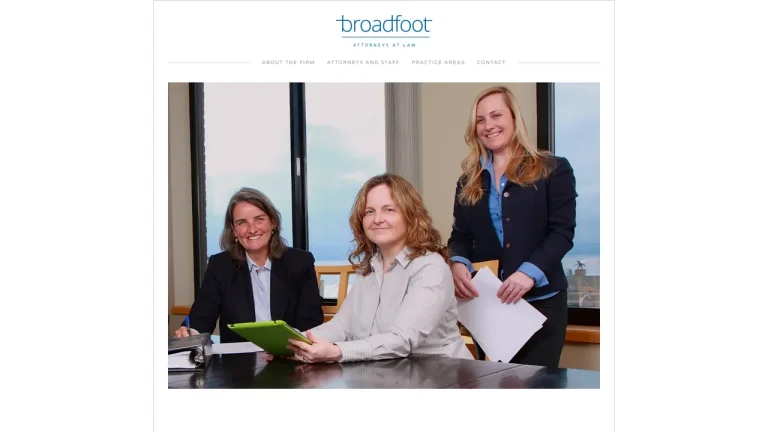
Broadfoot Attorneys at Law - Burlington, VT

Todd Schlossberg - Burlington, VT
Burke Law, P.C. - Burlington, VT
Behrens Venman, PLLC - Burlington, VT

Morgan & Morgan - Burlington, VT
McCormick, Fitzpatrick, Kasper & Burchard, P.C. - Burlington, VT

Dickson Law Office, PLLC - Burlington, VT

Mcveigh Skiff - Burlington, VT

The Burlington Law Practice, PLLC - Burlington, VT
Maley and Maley, PLLC - Burlington, VT
Strouse & Bond, PLLC - Burlington, VT

Navigating Vermont Car Accident Claims and Court Jurisdictions
Collisions on Vermont roadways-whether along heavily traveled corridors like Interstate 89 and Route 7 or rural mountain passes like Route 100-present distinct legal and factual challenges. Severe winter weather conditions, rural road topography, and multi-vehicle crashes require prompt evidence gathering and skilled advocacy.
Motor vehicle accidents across the state are investigated by local municipal police departments, county sheriffs, or the Vermont State Police. Formal personal injury actions are filed in the Vermont Superior Court Civil Division, with venues distributed across regional units including Chittenden, Washington, Rutland, and Windsor counties.
Retaining a seasoned Vermont car accident attorney ensures your rights are protected against aggressive insurance adjusters. An attorney manages medical documentation, consults accident reconstructionists, and structures settlement demands that account for current medical expenses, long-term rehabilitation needs, and diminished earning capacity.
Vermont Car Accident Attorney Fees and Representation Scenarios
| Case Scenario | Fee Structure | Estimated Cost (USD) | Key Cost Determinants |
|---|---|---|---|
| Minor Injury Settlement Negotiation | Contingency Fee | 33.3% of settlement | Insurance policy limits, medical record compilation, pre-suit negotiations |
| Catastrophic Collision Litigation | Contingency Fee | 33.3% - 40% of recovery | Accident reconstruction experts, future life-care plans, multi-vehicle liability |
| Uninsured / Underinsured Motorist (UM/UIM) Claim | Contingency Fee | 33.3% of recovery | First-party insurance policy limits, arbitration clauses, policy stacking analysis |
| Wrongful Death Motor Vehicle Action | Contingency Fee | 33.3% - 40% of recovery | Probate estate administration, economic loss modeling, Superior Court jury trial |
Critical Legal Deadlines & Statutes in Vermont
Personal injury lawsuits and property damage claims resulting from a motor vehicle crash must be initiated within three years of the incident under 12 V.S.A. § 512. Failing to file a complaint within this statutory timeframe permanently bars financial recovery.
When an automobile accident results in a fatality, a wrongful death lawsuit must be filed within two years from the date of death pursuant to 14 V.S.A. § 1492. If the incident involves a state vehicle or road maintenance defect, claims against the state must follow notice requirements under the Vermont Tort Claims Act in 12 V.S.A. § 5601.
Financial recovery in Vermont is governed by the modified comparative negligence rule set forth in 12 V.S.A. § 1036. An injured claimant may recover damages provided their causal negligence does not exceed that of the defendant (50 percent or less), with damages reduced proportionally by their percentage of fault. Vehicle operators must carry minimum liability coverage under 23 V.S.A. § 800 and uninsured motorist coverage under 23 V.S.A. § 941.
Small Claims vs. Civil Division Personal Injury Representation
The Small Claims Division of the Vermont Superior Court handles minor monetary disputes capped at $10,000 under 12 V.S.A. § 5531. While small claims provides a straightforward forum for recovering basic vehicle repair deductibles without retaining an attorney, it is unsuitable for bodily injury claims.
Crashes involving concussions, fractures, spinal injuries, or permanent impairment involve complex medical records, insurer subrogation claims, and expert witness testimony. Filing in the Vermont Superior Court Civil Division allows counsel to utilize formal discovery, depose defendant drivers, and demand maximum policy compensation before a jury.
Red Flags When Choosing a Vermont Personal Injury Attorney
- Law firms demanding upfront legal fees or out-of-pocket retainers rather than operating on a pure contingency fee basis.
- Attorneys who pressure crash victims to accept swift, low-value settlement offers before their medical treatment is fully completed.
- Practitioners lacking courtroom trial experience in the Vermont Superior Court Civil Division who routinely settle cases at a discount.
- Firms that fail to negotiate statutory hospital liens and health insurance subrogation claims, leaving clients with unexpected medical debt.
Frequently Asked Questions
What is the statute of limitations for car accident claims in Vermont?
Under 12 V.S.A. § 512, you have three years from the date of the crash to file a personal injury or property damage lawsuit in the Vermont Superior Court Civil Division.
How does comparative negligence work in Vermont?
Under 12 V.S.A. § 1036, Vermont uses a modified comparative negligence standard. You can recover damages as long as you are 50% or less at fault, but your financial award is reduced by your share of negligence. If you are 51% or more at fault, you recover nothing.
What are the minimum auto insurance requirements in Vermont?
Under 23 V.S.A. § 800 and § 941, drivers must carry minimum liability coverage of $25,000 for one person injured, $50,000 for multiple persons injured in one crash, and $10,000 for property damage, along with matching uninsured motorist coverage.
How do contingency fees work in car accident cases?
Most Vermont personal injury attorneys work on a contingency fee model, meaning you pay zero legal fees upfront. The attorney receives a percentage (commonly 33.3%) of the final settlement or court verdict recovered on your behalf.
What should I do immediately following a collision in Vermont?
Seek immediate medical care, contact law enforcement to generate an official crash report, document the scene and vehicle damage with photos, and consult an attorney before giving recorded statements to any insurance company.