
Trusts Lawyers in Vermont
Establishing a trust in Vermont protects your family assets, safeguards privacy, and avoids complex probate proceedings under the Vermont Trust Code. Working with an experienced Vermont trust attorney ensures your revocable or irrevocable trust complies with state fiduciary standards and minimizes tax liability. Browse our statewide directory below to connect with verified trust attorneys in your area.

Bookchin & Durrell, PC - Montpelier, VT

Law Offices of Michael J. Straub, Esq. - Burlington, VT

Dinse, Knapp & McAndrew, P.C. - Burlington, VT

MSK Attorneys - Burlington, VT

Winn Law - Montpelier, VT

Stark Law, PLLC - Burlington, VT
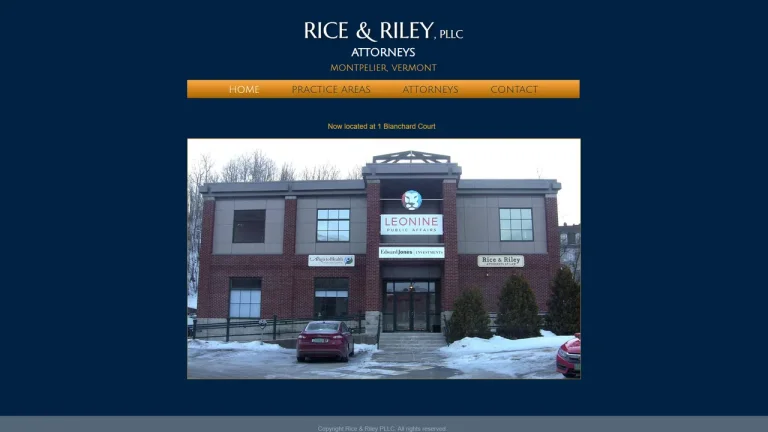
Rice & Riley - Montpelier, VT

Wick & Maddocks - Burlington, VT

Doremus Kantor & Zullo - Burlington, VT

Law Office of Stephen J. Murphy - Montpelier, VT

Attorney Jeffrey J. Wick - Burlington, VT

Clarke Demas & Baker PLC - Burlington, VT

Langrock Sperry & Wool LLP - Burlington, VT
Law Offices of Lindsey M Huddle - Burlington, VT
Law Offices of Robin Goeman, PLLC - Montpelier, VT

Sheehey Furlong & Behm P.C. - Burlington, VT

Downs Rachlin Martin PLLC - Burlington, VT

Paul Frank + Collins P.C. - Burlington, VT

Law Office of Claudia I. Pringles, PLLC - Montpelier, VT

Montroll, Oettinger & Barquist P.C. - Burlington, VT

Primmer Piper Eggleston & Cramer PC - Burlington, VT

Stitzel Page & Fletcher PC - Burlington, VT

Earle & Freeman, PLC - Montpelier, VT

TaxPanacea Associates LLC - Montpelier, VT
Navigating Vermont Trust Law and Superior Court Oversight
Trust formation and fiduciary administration in Vermont require careful navigation of state statutory requirements and local court rules. While properly funded trusts operate outside public probate, trust disputes, accountings, and trustee removal petitions fall within the jurisdiction of the Vermont Superior Court, Probate Division, operating across all 14 counties, including Chittenden, Washington, and Rutland.
Vermont trust administration is governed comprehensively by Title 14A of the Vermont Statutes. Because Vermont imposes its own estate tax on estates exceeding statutory exemption thresholds, structuring revocable living trusts, irrevocable asset protection trusts, or supplemental needs trusts requires deep familiarity with state tax codes and local asset titling practices.
Retaining an attorney in good standing with the Vermont Supreme Court Office of Attorney Licensing provides critical peace of mind. An experienced Vermont trust lawyer ensures seamless deed conveyances for Vermont real property into the trust entity, coordinates beneficiary designations, and guards against contentious fiduciary litigation.
Typical Fee Structures for Vermont Trust Services
| Case Scenario | Fee Structure | Estimated Cost (USD) | Key Cost Determinants |
|---|---|---|---|
| Basic Revocable Living Trust Package | Flat Fee | $2,000 - $4,500 | Single vs. joint trust, real estate deed preparation, pour-over will integration. |
| Irrevocable Asset Protection or Medicaid Trust | Flat Fee / Hourly | $4,500 - $9,000 | Look-back compliance, Vermont long-term care rules, income distribution restrictions. |
| Special Needs Trust (SNT) Formation | Flat Fee | $2,500 - $5,500 | First-party vs. third-party trust, preservation of Vermont Medicaid and SSI eligibility. |
| Trust Dispute Litigation & Trustee Removal | Hourly Retainer | $7,500 - $20,000+ | Probate Division filings, contested accounting reviews, breach of fiduciary duty claims. |
Critical Legal Deadlines & Statutes in Vermont
Trust governance in the Green Mountain State is codified under the Vermont Trust Code, beginning at 14A V.S.A. § 101. Statutory standards for creating, modifying, and terminating trusts are delineated under 14A V.S.A. § 401 and 14A V.S.A. § 411.
For those contesting trust validity, strict statutory limitations apply. Under 14A V.S.A. § 604, a person must commence a judicial proceeding to contest the validity of a revocable trust within three years of the settlor's death, or within 120 days after the trustee sends notice of the trust's existence and terms. Trustees must also provide regular fiduciary accountings pursuant to 14A V.S.A. § 813, notifying beneficiaries of their rights and preventing untimely claims.
Small Claims Limits vs. Trust Representation in Vermont
Under 12 V.S.A. § 5531, small claims proceedings in the Vermont Superior Court, Civil Division, are capped at $10,000. These informal proceedings serve simple monetary recovery matters, such as unreturned security deposits or unpaid contractor bills, without requiring legal counsel.
Trust administration and litigation, however, belong to the equitable domain of the Vermont Superior Court, Probate Division, or Civil Division for complex fiduciary damages. Trust assets routinely involve high-value family homesteads, agricultural parcels enrolled in the Current Use program, and investment portfolios far exceeding small claims ceilings. Self-drafted trust forms or unrepresented fiduciary litigation risk irrevocable tax penalties, unintended disinheritances, and personal surcharge liability for trustees.
Red Flags When Hiring a Vermont Trust Lawyer
- Attorneys promoting generic trust templates that fail to execute deed transfers for Vermont real property into the trust name.
- Firms that disregard the Vermont state estate tax threshold, focusing solely on higher federal estate tax limits.
- Lawyers who do not review beneficiary designations on retirement accounts, pensions, and life insurance policies alongside trust funding.
- A lack of transparent billing structures, such as failing to provide written engagement agreements detailing flat rates versus hourly trust administration fees.
Frequently Asked Questions
Does a revocable living trust avoid probate in Vermont?
Yes. Assets properly titled in the name of a revocable living trust pass directly to named beneficiaries according to trust terms without undergoing formal probate proceedings in the Vermont Superior Court, Probate Division.
How does Vermont state estate tax impact trust planning?
Vermont enforces its own state estate tax on estates exceeding statutory exclusion limits. Comprehensive trust planning allows married couples and property owners to structure credit shelter or marital trusts to minimize state tax exposure.
What is the deadline to contest a trust in Vermont?
Under the Vermont Trust Code, an action contesting a revocable trust must generally be filed within three years of the settlor's death, or within 120 days after the trustee delivers formal statutory notice to beneficiaries.
Can a trustee be removed for breach of duty under Vermont law?
Yes. Beneficiaries can petition the Vermont Superior Court, Probate Division, to remove a trustee who commits a serious breach of trust, exhibits persistent failure to administer property effectively, or demonstrates an unresolvable conflict of interest.
How do I confirm an attorney is licensed to practice trust law in Vermont?
You can verify an attorney's current good standing and disciplinary background through the official attorney licensing directory maintained by the Vermont Judiciary and the Vermont Supreme Court.