
Drug Crime Defense Lawyers in Seattle
Charged with a drug offense in Seattle? Connect with experienced criminal defense attorneys to protect your rights, explore diversion, and avoid severe penalties. Dedicated legal counsel helps you navigate evolving state statutes, challenge unlawful searches, and secure alternatives to incarceration. Browse our verified Seattle directory below to schedule an urgent consultation with a trusted local defense attorney.

Blair & Kim, PLLC - Seattle, WA

Marshall & Saunders - Seattle, WA

Puget Law Group - Seattle, WA
Lewis & Laws, PLLC - Seattle, WA

Law Office of Shira J. Stefanik - Seattle, WA

Law Office of Daniel J. Smith - Seattle, WA
Aspen Law Group - Seattle, WA
Callahan Law, P.S., Inc. - Seattle, WA

Bradley Johnson Lawyers - Seattle, WA
Heyman Schueler Rain - Seattle, WA
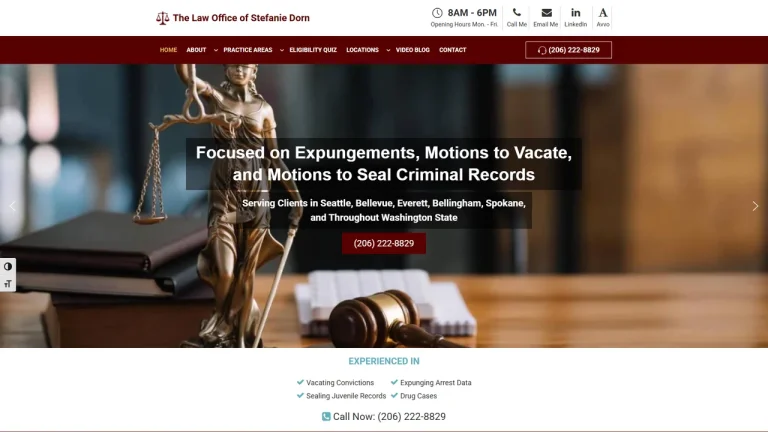
The Law Office of Stefanie Dorn - Seattle, WA
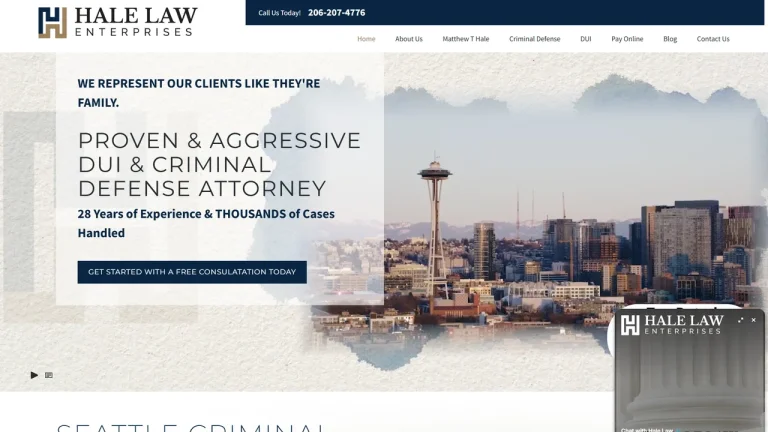
Hale Law Enterprises - Seattle, WA

Law Office of Grigoriy S., PLLC - Seattle, WA
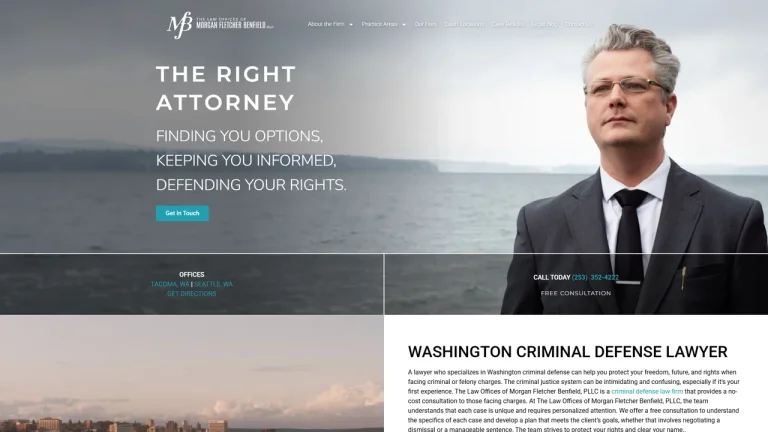
The Offices of Morgan Fletcher Benfield, PLLC - Seattle, WA

The Law Offices of Kevin Trombold, PLLC - Seattle, WA
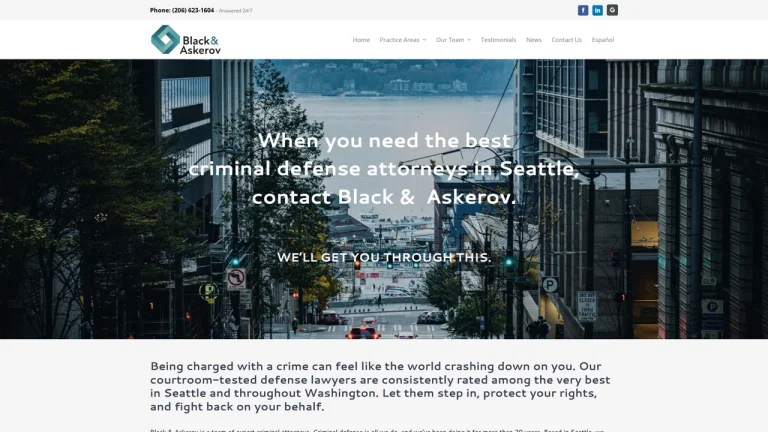
Black & Askerov, PLLC - Seattle, WA
King County Department of Public Defense - Seattle, WA

Vindicate Criminal Law Group - Seattle, WA

Law Offices of Geoffrey Burg, LLC - Seattle, WA
Kiviat Criminal Defense - Seattle, WA
Federal Public Defender - Seattle, WA
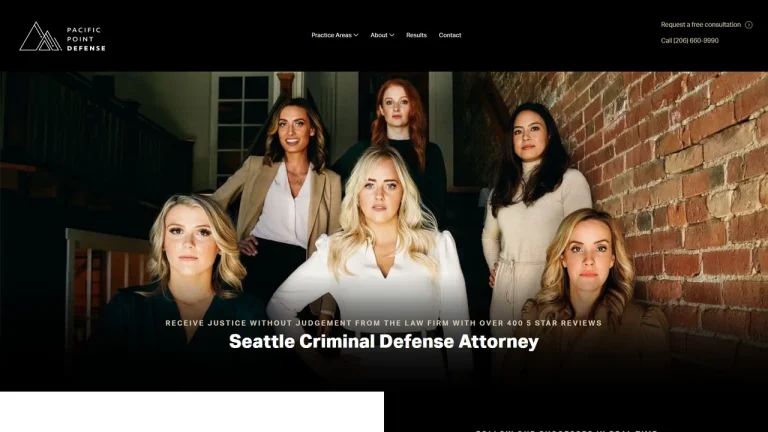
Pacific Point Defense - Seattle, WA

Law office of Andrew Huff - Seattle, WA
Understanding Drug Offense Jurisdiction Across Seattle and King County
Drug-related prosecutions in Seattle involve state statutory enforcement intertwined with unique King County prosecutorial diversion protocols. Individuals arrested by the Seattle Police Department in neighborhoods such as Belltown, the Chinatown-International District, Pioneer Square, or the University District face criminal consequences determined by the classification, intended volume, and distribution context of the substance.
While misdemeanor offenses and simple paraphernalia infractions may be processed through the Seattle Municipal Court, all serious felony charges are elevated to the King County Superior Court, located in the King County Courthouse on 3rd Avenue in Downtown Seattle or the Maleng Regional Justice Center in Kent. Cases filed by the King County Prosecuting Attorney's Office encompass manufacture, delivery, or possession with intent to deliver (PWID) under state controlled substances acts.
Working with an attorney deeply familiar with the Seattle legal landscape provides invaluable advantages. Local practitioners understand the inner workings of the King County Drug Diversion Court and community-focused alternatives, such as the Law Enforcement Assisted Diversion program, enabling qualifying defendants to seek dismissal through treatment rather than custodial prison terms.
Estimated Defense Costs for Seattle Drug Charges
| Case Scenario | Fee Structure | Estimated Cost (USD) | Key Cost Determinants |
|---|---|---|---|
| Simple Possession / Gross Misdemeanor Diversion | Flat Fee | $2,000 - $4,500 | Eligibility for pretrial diversion under state statutes, lack of prior record, and early prosecutor intervention. |
| Possession with Intent to Deliver (PWID Felony) | Retainer / Tiered Flat Fee | $5,500 - $12,500 | Substance weight, digital device forensic searches, confidential informant evidence, and suppression motions. |
| Trafficking & Commercial Distribution Defense | Retainer / Hourly ($350 - $650/hr) | $14,000 - $35,000+ | Multi-agency task force warrants, wiretap review, parallel civil forfeiture actions, and extended trial litigation. |
| Sentence Modification / Retroactive Relief | Flat Fee | $1,500 - $3,500 | Review of historical conviction records, court motion filings, and vacatur hearings in King County Superior Court. |
Critical Legal Deadlines & Statutes in Washington
Statutory timelines dictate the lifespan of drug prosecutions in Washington. Under Wash. Rev. Code § 9A.04.080, felony narcotics violations, such as delivery or intent to distribute, carry a 3-year statute of limitations. For gross misdemeanor offenses, the state must commence formal prosecution within 2 years under Wash. Rev. Code § 9A.04.080. Incarcerated individuals benefit from strict speedy trial protections under Wash. CrR 3.3, mandating trial within 60 days of arraignment if detained, or 90 days if released on bail or personal recognizance.
Substantive drug legislation in Washington has undergone historic restructuring. Following state legislative actions, knowing possession of a controlled substance is codified as a gross misdemeanor under Wash. Rev. Code § 69.50.4011, which emphasizes statutory pretrial diversion opportunities for qualifying individuals. In contrast, manufacturing, delivering, or possessing with intent to deliver illicit substances remains heavily penalized under Wash. Rev. Code § 69.50.401. Washington Constitution Article I, Section 7 provides heightened privacy protections exceeding federal standards, requiring law enforcement to obtain valid search warrants prior to invading personal privacy.
Direct Court Navigation vs. Professional Criminal Defense
While the civil division of King County District Court permits individuals to litigate monetary claims up to $10,000 without an attorney, attempting to navigate criminal drug allegations without counsel creates profound jeopardy. A drug conviction impacts future employment, professional licensing, security clearances, and housing eligibility.
An experienced defense lawyer meticulously challenges the prosecution's evidence through suppression motions under Wash. CrR 3.6, asserting that police seized evidence through unlawful stops or invalid warrants. Professional representation ensures full utilization of alternative sentencing programs and negotiates with prosecutors before charges become permanently fixed on your criminal history.
Red Flags When Selecting a Seattle Drug Defense Lawyer
- Pressure to Accept Immediate Plea Deals: Exercise caution with attorneys who recommend pleading guilty prior to analyzing police body-camera footage, chain of custody logs, and search warrant affidavits.
- Unfamiliarity with King County Diversion Alternatives: Counsel must actively utilize the King County Drug Diversion Court and state diversion statutes to seek dismissals through treatment.
- Overlooking Search and Seizure Vulnerabilities: Attorneys must leverage the enhanced privacy protections granted under Article I, Section 7 of the Washington State Constitution.
- Failure to Verify State Crime Lab Findings: Quality representation requires verifying that substance weight and composition were accurately analyzed by the Washington State Patrol Crime Laboratory.
Frequently Asked Questions
Is simple drug possession a misdemeanor or felony in Seattle?
Under current Washington statutes, knowing possession of a controlled substance is classified as a gross misdemeanor, with statutory provisions encouraging pretrial diversion and substance abuse evaluation in lieu of jail time.
What is the King County Drug Diversion Court and how do I qualify?
The King County Drug Diversion Court is a specialized program offering comprehensive substance abuse treatment for eligible individuals facing nonviolent felony drug charges. Successful completion leads to the complete dismissal of charges.
Can evidence be suppressed if Seattle police searched my car without a warrant?
Yes. Washington Constitution Article I, Section 7 provides robust privacy protections against warrantless vehicle searches. If law enforcement conducted a search without an applicable warrant exception, your attorney can move to suppress the evidence.
What constitutes possession with intent to deliver in King County?
Prosecutors elevate simple possession to possession with intent based on factors like substantial narcotics quantity, individual packaging, digital scales, large amounts of cash, or messaging records indicating sales.
Can prior drug convictions in Washington be vacated from my record?
Certain historical simple drug possession convictions qualify for vacatur and refund of legal financial obligations under judicial precedents and statutory relief mechanisms administered through King County Superior Court.