
Traffic Ticket Lawyers in Seattle
Cited for a traffic violation in Seattle? Retain a skilled traffic ticket attorney to contest moving infractions, protect your driving record, and prevent costly insurance premium increases. Experienced counsel routinely discovers procedural defects and negotiates dismissals or amendments to non-moving infractions. Explore our verified Seattle directory below to connect with a proven traffic defense lawyer.
SQ Attorneys - Seattle, WA
Aspen Law Group - Seattle, WA
Sheed Law Offices, PLLC - Seattle, WA
Antone Weber Law Office - Seattle, WA
Washington State Attorneys, PLLC - Seattle, WA
Washington Legal Services PLLC - Seattle, WA
The Law Office of Stefanie Dorn - Seattle, WA
Milios Defense - Seattle, WA
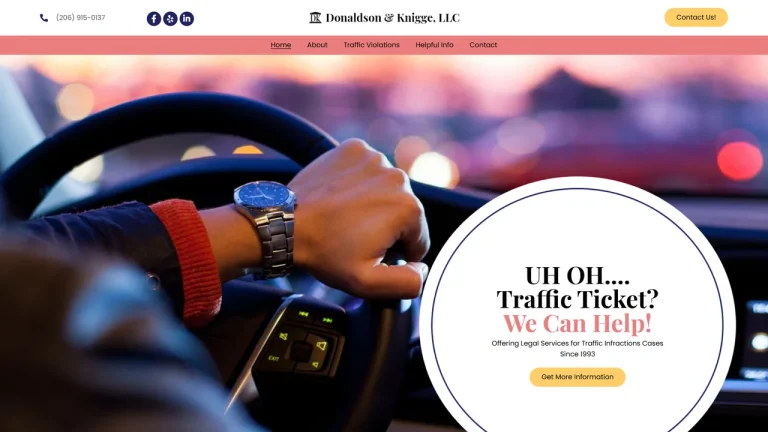
Donaldson & Knigge, LLC - Seattle, WA
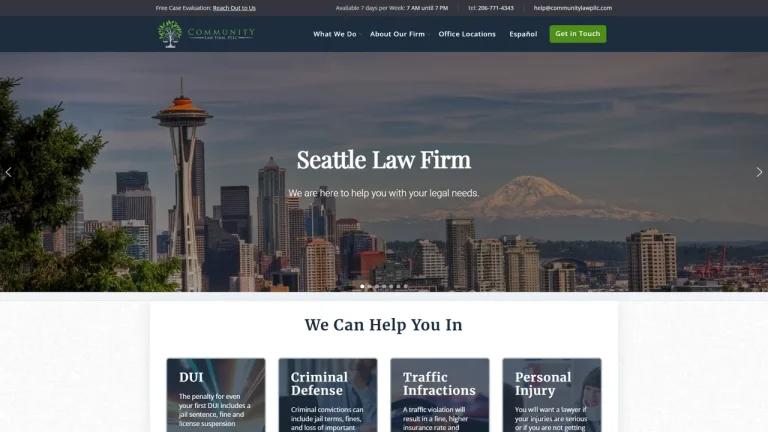
Community Law Firm, PLLC - Seattle, WA
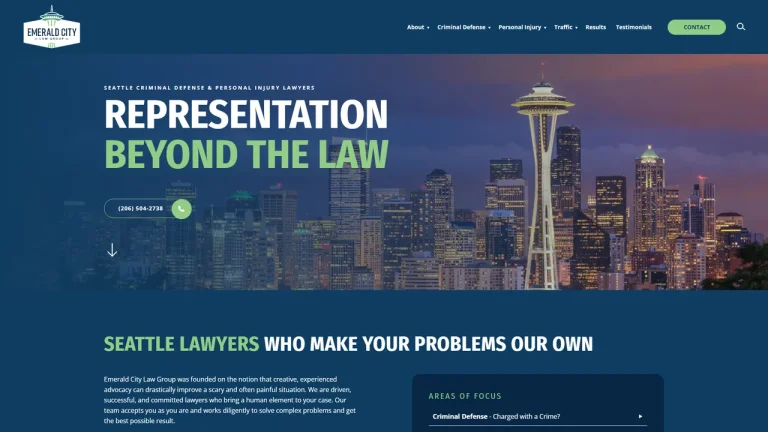
Emerald City Law Group Inc. - Seattle, WA
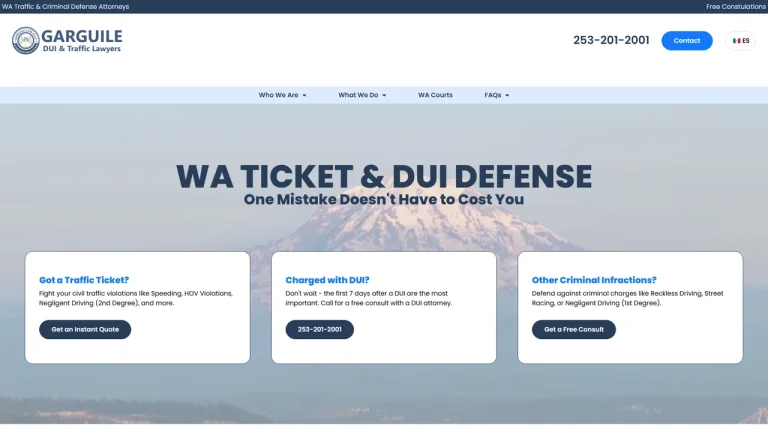
Garguile DUI & Traffic Lawyers - Seattle, WA
Callahan Law, P.S., Inc. - Seattle, WA
Law office of Andrew Huff - Seattle, WA
Law Office of Grigoriy S., PLLC - Seattle, WA

Traffic Ticket Jurisdiction in Seattle and King County Courts
Receiving an infraction in the Seattle metropolitan area triggers court procedures determined by the issuing agency and the location of the stop. If you are cited by the Seattle Police Department or receive an automated school zone speed camera notice along corridors like Aurora Avenue North or Rainier Avenue South, your citation is adjudicated at the Seattle Municipal Court on 5th Avenue.
When citations are issued by the Washington State Patrol on regional corridors including Interstate 5, State Route 520, or Interstate 90, jurisdiction rests with the King County District Court. Depending on the geographical sector of the stop, proceedings are assigned to district courthouses in Downtown Seattle, Shoreline, Burien, Bellevue, or Redmond.
Traffic defense lawyers in Seattle focus on finding procedural deficiencies within the state's case. Attorneys request radar calibration logs, inspect officer certification records, and cross-examine radar accuracy to protect your driver's license from administrative suspension by the Washington State Department of Licensing.
Estimated Seattle Traffic Infraction Defense Costs
| Case Scenario | Fee Structure | Estimated Cost (USD) | Key Cost Determinants |
|---|---|---|---|
| Standard Speeding / Moving Infraction | Flat Fee | $200 - $450 | Speed range above limit, radar or laser calibration review, and court appearance representation without client presence. |
| Commercial Driver (CDL) Moving Violation | Flat Fee | $450 - $1,000 | Mandatory federal anti-masking statutes, career disqualification exposure, and contested evidentiary hearing practice. |
| Negligent Driving in the Second Degree (Infraction) | Flat Fee | $350 - $750 | Collision involvement, multi-vehicle witness testimony, and negotiation to non-moving infractions. |
| Multiple Infraction Hearing / Photo Radar Package | Flat Fee | $350 - $800 | Combined moving violations, school zone camera tickets, and bundled mitigation or contested filings. |
Critical Legal Deadlines & Statutes in Washington
Strict administrative deadlines dictate traffic infraction defense in Washington. Under Wash. Rev. Code § 46.63.070 and Wash. IRLJ 2.4, a cited driver must respond to a notice of traffic infraction within 30 days of issuance. Failure to respond, pay, or request a hearing within this 30-day window results in a default judgment finding that the infraction was committed, an assessment of late penalties, and potential license suspension notification sent to the Washington State Department of Licensing (DOL).
Substantive traffic rules outline distinct legal categories. Speed limits and basic speed rules are governed under Wash. Rev. Code § 46.61.400, while driving in a negligent manner endangering persons or property constitutes Negligent Driving in the Second Degree, a civil infraction under Wash. Rev. Code § 46.61.525. Under Wash. Rev. Code § 46.63.070, drivers may seek a deferred finding once every 7 years for a moving violation, dismissing the infraction upon compliance with probationary terms. Automated camera speed enforcement citations are regulated under Wash. Rev. Code § 46.63.170, which classifies these notices as non-moving offenses that carry fines but do not appear on a driver's public Department of Licensing transcript. Discovery and document demands prior to hearing are strictly enforced under Wash. IRLJ 3.1.
Mitigation Hearings vs. Contested Representation
Many drivers mistakenly select a mitigation hearing when responding to a traffic ticket in Seattle. Requesting mitigation admits that the infraction was committed, foreclosing any legal defense and ensuring the violation is reported to the Department of Licensing, impacting insurance rates. While civil small claims courts handle money disputes up to $10,000 pro se, traffic courts require careful application of the Infraction Rules for Courts of Limited Jurisdiction.
An experienced traffic ticket attorney enters a notice of appearance, requests a contested hearing, and demands speed measurement device certification logs. Through procedural scrutiny, counsel identifies technical filing errors, lack of officer attestation, or failure to deliver discovery, frequently securing outright dismissals without requiring you to spend hours waiting in court.
Red Flags When Hiring a Seattle Traffic Lawyer
- Guaranteed Ticket Dismissals: Court outcomes depend on judicial rulings and prosecutor discretion; no ethical Washington State Bar Association attorney can ethically promise a 100% dismissal guarantee.
- Advising Deferral Without Evidentiary Review: Counsel who immediately recommends using your one statutory deferred finding per 7 years without reviewing police discovery wastes a valuable statutory safeguard.
- Lack of Familiarity with Local Hearing Officers: Local procedures and magistrate tendencies in Seattle Municipal Court differ substantially from suburban King County District Court divisions.
- Recommending Deferrals for Commercial Drivers: Under federal anti-masking regulations, commercial driver license holders cannot defer traffic citations; counsel must seek full dismissal or non-moving amendments.
Frequently Asked Questions
What is the difference between a mitigation and a contested hearing in Seattle?
A mitigation hearing admits that the violation occurred and asks the judge to reduce the fine, which still results in a finding on your driving record. A contested hearing disputes the violation entirely, seeking a full dismissal.
Do automated camera tickets in Seattle go on my driving record?
No. Under Washington law, automated photo radar and red light citations are treated like parking tickets; they result in a monetary penalty but are not reported to the Department of Licensing or insurance companies.
How does a deferred finding work in Washington?
Under state statute, you can enter a deferred finding once every 7 years for a moving infraction. The court pauses the ticket for a probationary period, usually up to one year, and dismisses it if you commit no new infractions and pay an administrative fee.
Do I have to personally appear in court if I hire a Seattle traffic lawyer?
In the vast majority of civil traffic infraction hearings, your retained attorney can appear on your behalf under court rules, allowing you to avoid taking time off work to attend court.
Can a speeding ticket be amended to a non-moving violation?
Yes. Traffic defense lawyers frequently negotiate with municipal or county prosecutors to amend moving violations to non-moving infractions, such as inattentive driving or defective equipment, keeping your insurance rates intact.