
Commercial Real Estate Lawyers in Spokane
Retain seasoned Spokane commercial real estate lawyers to oversee high-value acquisitions, negotiate complex leases, and handle zoning challenges. Experienced legal representation safeguards your commercial assets and ensures full statutory compliance across Eastern Washington. Browse our verified directory below to schedule an initial consultation today.

The Levy Law Firm, PLLC - Spokane, WA

Gore & Grewe, P.S. - Spokane, WA
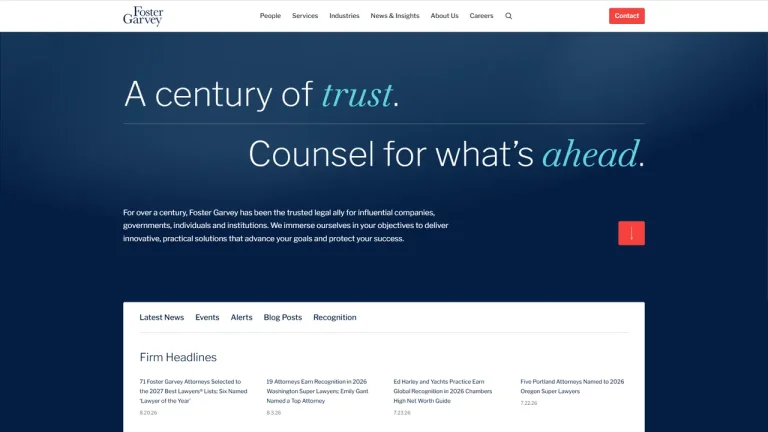
Foster Garvey PC - Spokane, WA
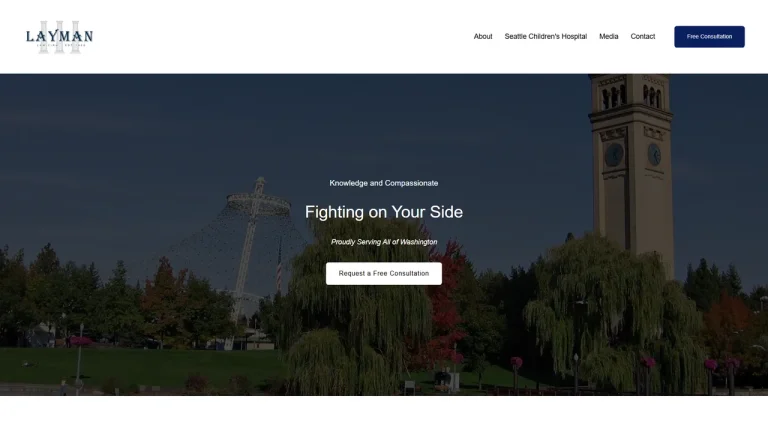
Layman Law Firm, PLLP - Spokane, WA

Bjornson Law Offices, PLLC - Spokane, WA

G and R Law Group, Inc., P.S. - Spokane, WA

Lukins & Annis P.S. Attorneys at Law - Spokane, WA
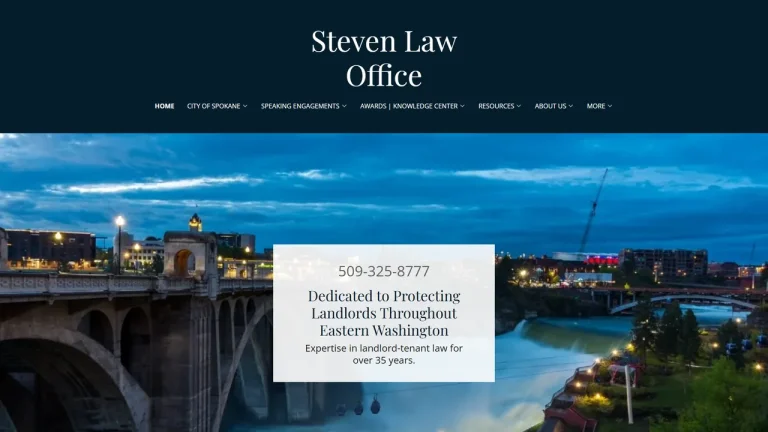
Eric M Steven Ps - Spokane, WA

Randall / Danskin - Spokane, WA

Fennemore - Spokane, WA
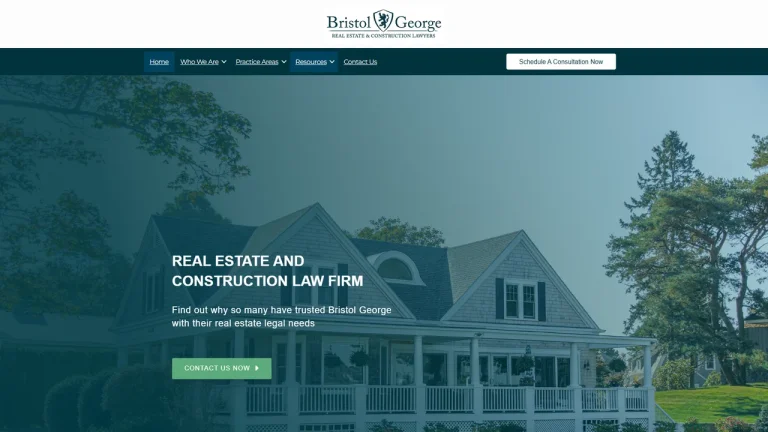
Bristol George, PLLC - Spokane, WA
Dunn & Black - Spokane, WA
Commercial Property Law in Spokane and Eastern Washington
Commercial real estate development and investment in Spokane are characterized by ongoing economic growth across the Inland Northwest. Commercial enterprises, institutional investors, and property developers operate across diverse submarkets, including Downtown Spokane, the University District medical hub, Spokane Valley industrial corridors, and the West Plains logistics sector near Spokane International Airport. Navigating transactions within these competitive markets requires strict compliance with Washington property statutes and municipal land use regulations.
Real estate conveyances and commercial litigation in Spokane fall under the jurisdiction of the Spokane County Superior Court. The court oversees commercial landlord-tenant disputes, mechanics' lien foreclosures, quiet title actions, and judicial foreclosures. Washington statutory requirements under RCW 64.04.010 mandate that every conveyance of real estate or commercial interest therein must be in writing and acknowledged by deed, while land use actions are guided by local zoning ordinances and the Spokane County Planning Department.
Engaging an experienced Spokane commercial real estate attorney provides essential oversight when structuring purchase and sale agreements (PSAs), negotiating triple-net (NNN) commercial leases, and managing environmental due diligence under the Model Toxics Control Act (RCW 70A.305.010). Skilled legal counsel mitigates transactional risk, preserves capital, and resolves zoning and title complications before costly disputes arise.
Estimated Commercial Real Estate Legal Fees in Spokane
| Case Scenario | Fee Structure | Estimated Cost (USD) | Key Cost Determinants |
|---|---|---|---|
| Commercial Lease Negotiation & Drafting (NNN) | Hourly ($325 - $550/hr) or Flat Fee | $2,200 - $6,000 | Leased square footage, common area maintenance (CAM) audits, tenant improvement allowances, personal guarantee provisions |
| Commercial Acquisition & Due Diligence | Hourly Retainer ($350 - $600/hr) | $6,500 - $20,000 | Title commitment exceptions, Phase I environmental indemnity clauses, survey boundary reviews, Spokane County REET calculations |
| Mechanics' Lien Foreclosure & Defense | Hourly Retainer ($325 - $525/hr) | $7,500 - $25,000 | Statutory pre-claim notice compliance under RCW 60.04, contractor scope changes, retainage disputes, settlement mediation |
| Zoning, Land Use & SEPA Permitting Appeals | Hourly Retainer ($375 - $650/hr) | $10,000 - $35,000+ | Spokane Hearing Examiner hearings, environmental impact statements, conditional use permits, shoreline master program compliance |
Critical Legal Deadlines & Statutes in Washington
Commercial real estate transactions and operations in Spokane are governed by rigorous statutory timelines. Breach of a written commercial lease, promissory note, or purchase contract is subject to a six-year statute of limitations under RCW 4.16.040. Conversely, claims based on oral agreements or unwritten modifications must be brought within three years pursuant to RCW 4.16.080.
Construction projects and contractor security interests are regulated under Washington's mechanics' lien statutes. Under RCW 60.04.091, a contractor, subcontractor, or material supplier must record a claim of lien with the Spokane County Auditor's Department of Recording within 90 days after the final date labor, professional services, or materials were furnished. Once recorded, the lien claimant has strictly eight calendar months to file a foreclosure lawsuit in Spokane County Superior Court under RCW 60.04.141, or the lien automatically expires and becomes void.
Commercial landlords and tenants must adhere to summary eviction proceedings under RCW 59.12.030, which establishes strict statutory notice periods before filing an unlawful detainer lawsuit. In addition, commercial property transfers are subject to Washington's graduated Real Estate Excise Tax (REET) under RCW 82.45.060, where tax rates adjust progressively based on selling price thresholds.
Superior Court Litigation vs. Self-Representation Limits
Commercial real estate disputes in Washington fall under the exclusive subject matter jurisdiction of the Spokane County Superior Court. The Spokane County District Court Small Claims Division, which operates under RCW 12.40.010 with a $5,000 limit for corporate entities and $10,000 for individuals, has zero legal authority to order commercial evictions, enforce specific performance of purchase contracts, or adjudicate mechanics' lien foreclosures.
Furthermore, under Washington court rules, business entities such as LLCs, corporations, and partnerships cannot represent themselves in Spokane County Superior Court; they must be represented by an attorney admitted to the Washington State Bar Association. Commercial property transactions involve intricate liability considerations, including hazardous substance indemnification under RCW 70A.305.010, zoning variances through the Spokane Hearing Examiner, and title encumbrances. Retaining an experienced Spokane commercial real estate attorney prevents costly contract drafting oversights, preserves capital, and provides rigorous advocacy in court.
Red Flags When Hiring a Spokane Commercial Real Estate Lawyer
- Allowing commercial brokers to draft complex legal addenda or lease modifications without qualified legal review by an attorney.
- Lack of familiarity with local municipal land use codes enforced by the City of Spokane Planning Department or the Spokane Hearing Examiner.
- Overlooking environmental due diligence or failing to structure Phase I environmental indemnities for industrial or manufacturing properties.
- Failure to account for Washington's graduated Real Estate Excise Tax (REET) schedules, resulting in unexpected tax obligations at settlement.
Frequently Asked Questions
What is the deadline for filing a mechanics lien in Spokane County?
Under RCW 60.04.091, a claimant must record a mechanics lien with the Spokane County Auditor within 90 days of the last date labor or materials were provided. A foreclosure lawsuit must be filed in Superior Court within eight months under RCW 60.04.141.
Can an LLC represent itself in a commercial tenant eviction in Spokane?
No. Corporate entities, including limited liability companies and corporations, cannot appear pro se in Spokane County Superior Court commercial unlawful detainer actions under RCW 59.12.030; they must retain licensed legal counsel.
How does Washington calculate the Real Estate Excise Tax on commercial sales?
Washington applies a graduated state REET schedule under RCW 82.45.060, ranging from 1.1% to 3.0% based on the total sale price, in addition to local Spokane municipal excise taxes assessed at closing.
What is the difference between residential and commercial eviction in Spokane?
Commercial tenancies are governed strictly by the written lease terms and the summary provisions of RCW 59.12.030, without the specialized just cause eviction constraints applicable to residential leases.
Why is a Phase I environmental site assessment essential in commercial acquisitions?
A Phase I assessment identifies potential environmental contamination liabilities under Washington's Model Toxics Control Act (RCW 70A.305.010), protecting commercial purchasers from inheriting substantial cleanup obligations.