
Debt Relief Lawyers in Spokane
Retaining a qualified Spokane debt relief lawyer protects your wages and assets against unlawful collector harassment, bank levies, and creditor lawsuits. An experienced Eastern Washington attorney can assert your statutory consumer defenses, negotiate substantial lump-sum debt settlements, or stop judgment enforcement outside of court. Browse our curated directory below to find an attorney and take control of your financial future.
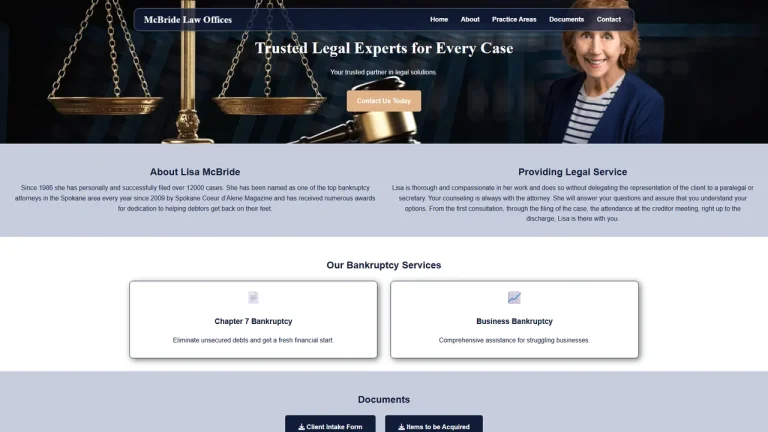
Mc Bride Law Office: Elizabeth M. McBride (Lisa McBride) - Spokane, WA

Defense Tax Partners - Spokane, WA
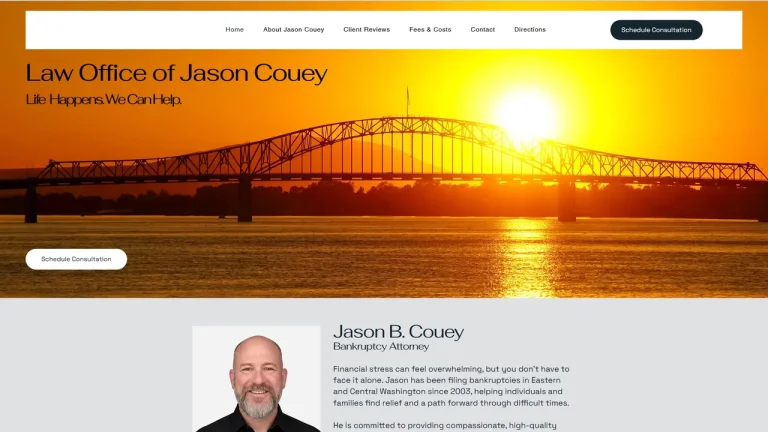
Law Office of Jason Couey - Spokane, WA

Southwell & O'Rourke PS - Spokane, WA
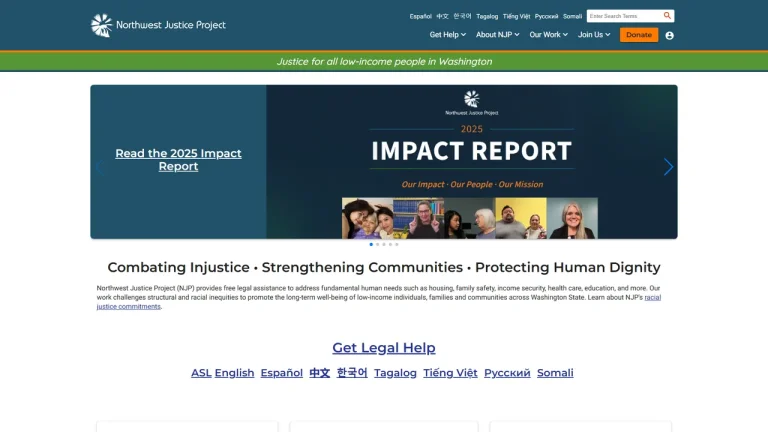
Northwest Justice Project - Spokane, WA
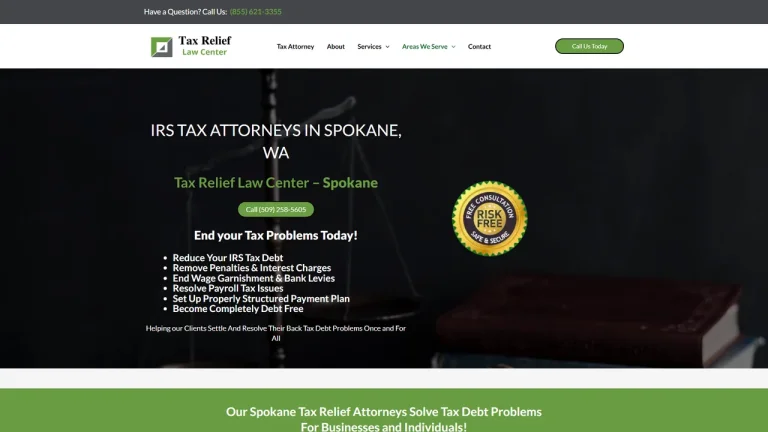
Spokane Debt Defense, Creditor Negotiations, and Court Proceedings
Consumer debt relief and creditor defense in Spokane involve asserting state and federal statutory rights to resolve unpaid debts, challenge unlawful collection practices, and prevent aggressive judgment enforcement. Residents throughout Spokane County frequently face collection demands from third-party debt buyers and collection agencies seeking recovery on credit card balances, medical debts, and personal loans. When informal collection attempts escalate, creditors routinely initiate formal civil lawsuits in local courts to obtain default judgments and garnish bank accounts or employment wages.
Debt collection lawsuits in the Spokane area are filed in the Spokane County District Court or the Spokane County Superior Court, both located at the County Courthouse complex on West Broadway Avenue. Having experienced legal representation ensures that third-party debt buyers are forced to produce strict documentation verifying chain of custody, original credit agreements, and accurate balance accounting. A local attorney also provides the legal leverage necessary to negotiate significant lump-sum reductions or affordable structured workouts without resorting to bankruptcy.
Debt Relief & Defense Legal Fee Structures in Spokane
| Case Scenario | Fee Structure | Estimated Cost (USD) | Key Cost Determinants |
|---|---|---|---|
| Single Creditor Out-of-Court Settlement Negotiation | Contingency on Savings or Flat Fee | 15% - 25% of Savings or $750 - $1,500 | Original creditor vs. third-party junk debt buyer, total balance size, and available lump-sum settlement funds. |
| Spokane County District Court Lawsuit Defense | Flat Fee or Retainer | $1,500 - $3,500 | Formal answer drafting, discovery interrogatories, chain-of-title disputes, and motion practice. |
| Wage Garnishment or Bank Levy Quashal Motion | Flat Fee | $600 - $1,500 | Exemption status verification under state wage laws, emergency hearing scheduling, and employer notice speed. |
| Fair Debt Collection (FDCPA / CPA) Affirmative Claim | Contingency / Statutory Fee-Shifting | $0 Upfront (Fee-Shifting) | Recorded call evidence, misleading written notices, and statutory damages under state and federal law. |
Critical Legal Deadlines & Statutes in Washington
Navigating debt collection defense requires strict observance of procedural deadlines and statutory time bars. In Washington, the statute of limitations for filing a lawsuit on a written contract, promissory note, or credit card debt is six years pursuant to RCW 4.16.040. For open accounts or unwritten agreements, the statute of limitations is three years under RCW 4.16.080. Once the limitation period expires, initiating a lawsuit or threatening legal action constitutes an unlawful collection practice. However, making a partial payment or acknowledging the debt in writing can restart the statutory clock.
When a creditor files a collection lawsuit in Spokane County District Court or Superior Court, a defendant served within the state must file a written answer within 20 calendar days pursuant to RCW 4.28.180. Failure to respond within this window results in an immediate default judgment. Debt collectors in Spokane are heavily regulated by the Washington Collection Agency Act under RCW 19.16.250 and the Washington Consumer Protection Act under RCW 19.86.020, both of which prohibit deceptive communications, unauthorized fees, and threats. Violations of the CPA allow consumers to recover actual damages, treble damages, and attorney fees under RCW 19.86.090. Federal protections under the Fair Debt Collection Practices Act carry a one-year statute of limitations to bring an action under 15 U.S. Code § 1692k(d). If a judgment creditor attempts to garnish wages, RCW 6.27.150 automatically exempts up to 80% to 85% of disposable earnings for consumer debts.
Small Claims Court Limits vs. Superior Court Debt Defense
The Small Claims division of the Spokane County District Court handles civil claims with damages capped at $10,000 for natural persons. Pursuant to RCW 12.40.080, attorneys cannot appear at Small Claims hearings without specific judicial authorization. While an unrepresented individual might defend against an informal personal loan from an acquaintance in small claims, commercial debt collectors virtually never file in the Small Claims division.
Instead, corporate debt collection agencies file their lawsuits in the regular civil division of Spokane County District Court or Superior Court, represented by experienced collection law firms. Unrepresented consumers facing collection firms often fall victim to complex procedural deadlines, leading to costly default judgments. Retaining a debt defense lawyer levels the playing field, allowing consumers to demand strict proof of ownership, assert statute-of-limitations defenses, and leverage statutory counterclaims that force collectors into favorable settlements or complete dismissals.
Red Flags When Choosing a Spokane Debt Relief Attorney
- Out-of-state "debt consolidation" or "debt settlement" operations that are not licensed law practices in Washington and charge exorbitant upfront administrative fees.
- Lawyers who immediately recommend filing bankruptcy without analyzing whether debts are legally unenforceable or time-barred under state statutes.
- Attorneys who fail to review collection letters for actionable violations of the Washington Collection Agency Act or FDCPA.
- Lack of a clear, written fee structure detailing whether legal fees are flat rate, hourly, or calculated as a percentage of actual debt reduction.
Frequently Asked Questions
What should I do if I am served with a collection lawsuit in Spokane?
You must file a formal written response or Notice of Appearance within 20 days of service. Ignoring the lawsuit results in an automatic default judgment, enabling the creditor to garnish your wages or seize bank accounts.
What is the statute of limitations on credit card debt in Washington?
Under Washington law, credit card debt is subject to a six-year statute of limitations running from the date of the last payment or default. Once six years pass, collectors cannot legally sue you to enforce collection.
How much of my paycheck can a creditor garnish in Spokane County?
Washington law provides substantial protections for consumer debts, exempting at least 80% to 85% of disposable earnings or 35 times the federal minimum wage, whichever amount is greater.
Can a debt relief lawyer negotiate my balance down without bankruptcy?
Yes. Attorneys frequently negotiate lump-sum settlements or structured payoffs for 30% to 60% of the total balance, resolving the debt permanently while avoiding the long-term credit impact of bankruptcy.
What collection practices are illegal in Washington?
Collection agencies cannot call at unreasonable hours, use threatening language, falsely misrepresent debt amounts, contact your employer about debt details, or add unauthorized collection fees under state law.