
Residential Real Estate Lawyers in Vancouver
Retain an experienced residential real estate lawyer in Vancouver, Washington to safeguard your property purchase, title security, and boundary rights under state law. Established Clark County property attorneys routinely resolve complex escrow disputes, seller disclosure issues, and easement disagreements through pre-trial negotiation. Explore our verified directory below to schedule an initial consultation with a reputable Vancouver real estate attorney.
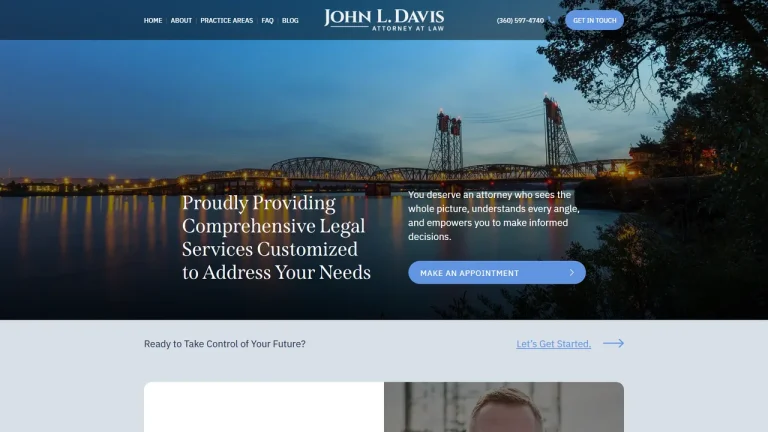
John L. Davis PLLC - Vancouver, WA

Praedium Law Group, PLLC - Vancouver, WA
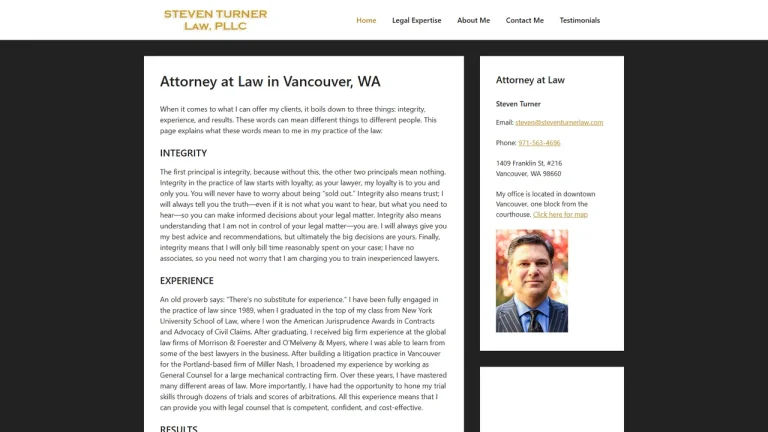
STEVEN TURNER LAW - Vancouver, WA
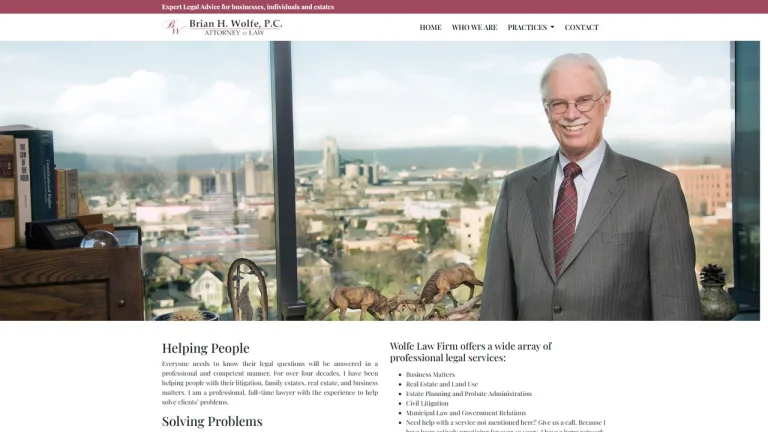
Brian H. Wolfe, P.C. Attorney At Law - Vancouver, WA

Bill Montecucco - Vancouver, WA

Law Office of Diana Tehrani - Vancouver, WA
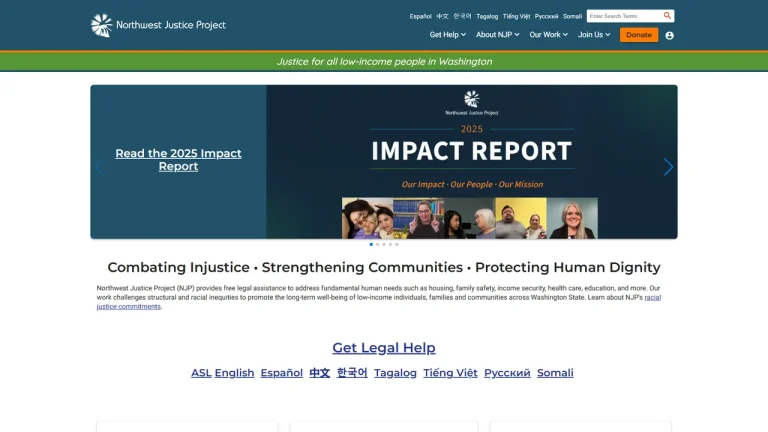
Northwest Justice Project Vancouver Office - Vancouver, WA
Residential Property Transactions and Court Jurisdiction in Vancouver, WA
Acquiring, financing, or defending a home in Vancouver involves navigating nuanced Washington property statutes, municipal zoning standards, and regional market pressures. From master-planned residential communities in Fisher's Landing and Cascade Park to historic properties near Officers Row and expanding neighborhoods in Felida and Salmon Creek, residential real estate represents the most significant financial investment for Clark County homeowners. Engaging a reputable local residential real estate attorney provides essential oversight, ensuring clear title ownership, compliant seller disclosures, and enforceable purchase-and-sale terms.
When residential real estate transactions encounter serious legal conflicts-such as fraudulent property disclosures, failed escrow disbursements, unmarketable titles, or adverse possession lawsuits-adjudication occurs at the Clark County Superior Court in downtown Vancouver. Real property instruments, deeds, residential covenants, and encumbrances are formally registered with the Clark County Auditor's Office. Retaining an attorney who routinely interacts with the Clark County recording systems and understands local judicial practice ensures your real estate rights remain fortified against procedural pitfalls.
Rather than jumping directly into aggressive courtroom litigation, skilled Vancouver real estate lawyers regularly resolve boundary line conflicts and earnest money disputes through structured negotiations, boundary line adjustments, or formal mediation. Early legal intervention can untangle conflicting property surveys, resolve homeowners association (HOA) covenant violations, and correct title clouds without incurring the severe financial expenses of full civil trials.
Common Residential Real Estate Matters and Cost Benchmarks
| Case Scenario | Fee Structure | Estimated Cost (USD) | Key Cost Determinants |
|---|---|---|---|
| Purchase / Sale Contract Review & Closing Advice | Flat Fee / Hourly | $500 - $1,600 | Standard MLS forms vs. custom drafting, financing contingency complexity, and title review. |
| Quiet Title Action & Cloud Removal | Hourly Retainer ($275 - $450/hr) | $3,500 - $10,000 | Number of historical heirs, responsiveness of lienholders, and court publication requirements. |
| Boundary Line / Adverse Possession Dispute | Hourly Retainer ($300 - $475/hr) | $4,500 - $16,000 | Professional survey availability, historical fence tenure, and neighbor willingness to negotiate. |
| Seller Non-Disclosure Fraud Litigation | Hourly Retainer / Hybrid | $10,000 - $35,000+ | Structural defect remediation costs, engineering inspections, depositions, and trial length. |
Critical Legal Deadlines & Statutes in Washington
Residential real estate practices in Vancouver operate under strict statutory timelines codified in Washington law. When purchasing residential real estate, sellers are mandated under RCW 64.06.020 to deliver a completed Real Property Transfer Disclosure Statement (commonly known as Form 17). Under RCW 64.06.030, the buyer holds an absolute right to rescind the purchase agreement within three business days after receiving the disclosure statement, unless that right has been expressly waived in writing.
If a buyer discovers intentional misrepresentation or fraudulent concealment of serious structural or environmental defects after closing, legal action must be initiated within the three-year statute of limitations for fraud under RCW 4.16.080. Boundary line disputes involving adverse possession are governed by RCW 4.16.020, which requires a claimant to demonstrate open, notorious, continuous, and hostile possession of the property for a minimum statutory period of ten years, though this can be reduced to seven years under RCW 7.28.070 if the possessor holds color of title and pays all assessed real property taxes.
Clark County Small Claims vs. Professional Real Estate Counsel
Homeowners dealing with minor financial controversies sometimes turn to the Clark County District Court Small Claims Division. Under RCW 12.40.010, the small claims limit for individual claimants is capped at $10,000. Under RCW 12.40.080, attorneys cannot represent parties in small claims court without express judicial leave. This venue can be suitable for recovering modest tenant security deposits or isolated repair damages falling below the statutory threshold.
However, small claims court is strictly restricted to monetary judgments. The district court has no equitable authority to issue property injunctions, quiet title, alter deeds, establish easements, or reform legal boundary descriptions. When property lines are contested, title defects prevent a sale, or undisclosed damages exceed $10,000, representation by a licensed Vancouver real estate lawyer in Clark County Superior Court is essential to secure equitable remedies and protect your title.
Red Flags to Watch for When Choosing a Real Estate Attorney
- Representing Multiple Parties in the Same Transaction: Avoid attorneys who propose dual representation of both the buyer and seller or the homeowner and lender without explicit, informed written conflict waivers under WSBA rules.
- Unfamiliarity with Clark County Land Use Codes: Counsel lacking knowledge of Vancouver city ordinances and Clark County Unified Development Code (Title 40 CCC) will struggle with zoning, setback, and critical area disputes.
- Complete Reliance on Real Estate Broker Forms: Be cautious of law firms that merely review standard Northwest Multiple Listing Service (NWMLS) boilerplate without providing custom addenda tailored to your transaction's specific risks.
- Overlooking Environmental and Critical Area Overlays: Vancouver properties near wetlands, shoreline districts, or Columbia River drainages involve unique environmental restrictions; failing to analyze environmental risks can result in substantial municipal fines.
Frequently Asked Questions
Is an attorney legally required to close a residential sale in Washington?
Washington state law does not legally require an attorney to conduct a residential real estate closing; escrow officers and title companies frequently manage standard closings. However, retaining a real estate attorney is strongly advisable to review non-standard contract terms, handle unreleased liens, resolve title exceptions, and protect legal interests.
What recourse do I have if a seller fails to disclose major defects in Vancouver?
If a seller fraudulently conceals known defects on the Form 17 disclosure mandated by RCW 64.06.020, you can file a lawsuit for intentional misrepresentation or breach of contract within three years under RCW 4.16.080 to recover actual repair damages and related costs.
How long does it take to establish adverse possession in Washington?
Under RCW 4.16.020, a person seeking title by adverse possession must demonstrate exclusive, open, notorious, continuous, and hostile possession of the property for at least ten uninterrupted years, or seven years under RCW 7.28.070 with color of title and active payment of property taxes.
Can earnest money disputes be resolved in Clark County Small Claims Court?
Yes, provided the disputed earnest money sum is $10,000 or less for an individual pursuant to RCW 12.40.010. For earnest money amounts exceeding that threshold, the claim must be filed in Clark County Superior Court.
How are residential real estate attorneys in Vancouver compensated?
For contract reviews, deed drafting, and title evaluations, Vancouver attorneys typically charge a flat fee ranging from $500 to $1,600. For contested boundary lawsuits, seller disclosure litigation, and quiet title actions, attorneys bill hourly retainers between $275 and $475 per hour.