
Deportation Defense Lawyers in Wisconsin
Facing removal proceedings in Wisconsin requires immediate, strategic legal representation to halt deportation and safeguard your constitutional rights. Seasoned deportation defense attorneys advocate before immigration judges, manage custody redeterminations, and prepare asylum or cancellation of removal defenses. Browse our statewide directory below to consult an experienced Wisconsin removal defense lawyer immediately.
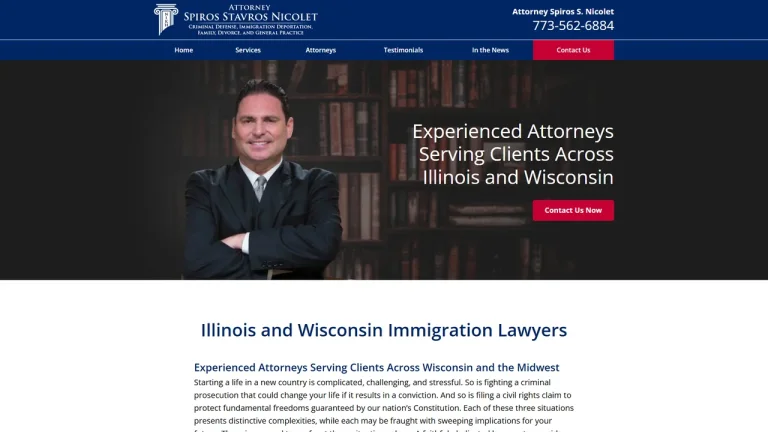
Spiros S Nicolet Law Office - Milwaukee, WI

Henry Law Offices - Kenosha, WI

Law Offices of Stephanie M. Gwyn, LLC - Kenosha, WI

Fernandez, Chadwick & Crouse - West Milwaukee, WI

Odrcic Law Group, LLC - Milwaukee, WI

Madison Immigration Law - Madison, WI

Durrani Law Firm - Milwaukee, WI

Sesini Law Group, S.C. - Milwaukee, WI
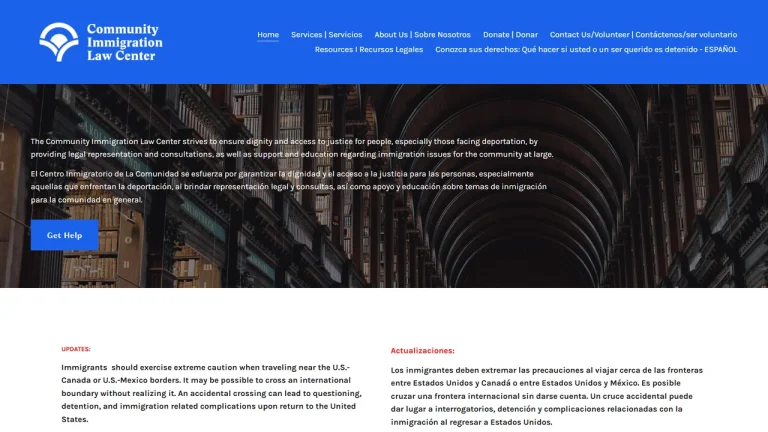
Community Immigration Law Center - Madison, WI
Law Office of Godfrey Y. Muwonge LLC. - Wauwatosa, WI

Erich C. Straub Immigration - Milwaukee, WI

Rouf Law - Oshkosh, WI
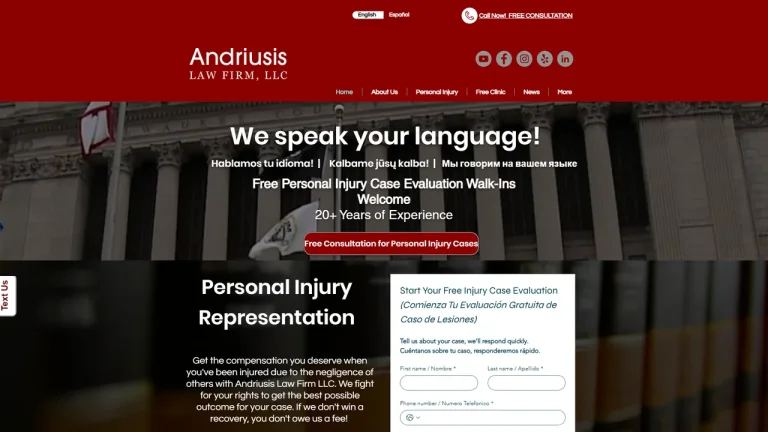
Andriusis Law Firm, LLC - Milwaukee, WI

Ryan Immigration Law - Milwaukee, WI
S. Lee & Associates, LLC - Madison, WI
Murrar Law, LLC - Milwaukee, WI

Castro and Gutierrez Law Office - Madison, WI

L Steven Siy Attorney At Law - Wauwatosa, WI
MMG Law LLC - Janesville, WI
Midwest Green Card Llc - Milwaukee, WI

Longdin Law Offices, LLC - Milwaukee, WI

Lu Law Office, LLC - Madison, WI
Zegiel Law Offices, LLC - Racine, WI

Deportation Defense and EOIR Jurisdictions in Wisconsin
Removal proceedings represent the most serious legal challenge non-citizens can encounter within the United States immigration system. Non-citizens in Wisconsin facing deportation are placed under the jurisdiction of the Executive Office for Immigration Review (EOIR), the federal administrative court system under the United States Department of Justice. While primary judicial dockets are managed by the Chicago Immigration Court, master calendar and individual merits hearings for Wisconsin respondents are frequently coordinated via video link or conducted at designated federal facilities in Milwaukee.
Enforcement operations across the state are directed by Immigration and Customs Enforcement (ICE) through its Enforcement and Removal Operations (ERO) field infrastructure. Non-citizens apprehended in Wisconsin may be detained in designated regional facilities under county intergovernmental service agreements, such as the Dodge County Detention Facility in Juneau or the Kenosha County Detention Center. Securing prompt release on immigration bond and preparing a substantive defense requires swift, coordinated action by counsel familiar with both federal procedures and regional detention center visitation protocols.
In addition, intersectional matters involving state criminal courts-often termed 'crimmigration'-are critical in Wisconsin. Convictions or guilty pleas entered in Wisconsin Circuit Courts can have immediate, irreversible immigration consequences. Licensed Wisconsin attorneys admitted to the State Bar of Wisconsin understand how state statutory offenses interact with federal inadmissibility and deportability grounds, protecting non-citizens against unlawful removals.
Legal Fee Structures for Wisconsin Removal Defense
| Case Scenario | Fee Structure | Estimated Cost (USD) | Key Cost Determinants |
|---|---|---|---|
| Custody Redetermination & Immigration Bond Hearing | Flat Legal Fee | $2,000 - $4,800 | Detention location (Dodge or Kenosha County), criminal record severity, flight risk rebuttal, community ties proof |
| Defensive Asylum, Withholding of Removal & CAT Application | Flat Fee or Retainer | $4,500 - $9,800 | Country condition documentation, corroborating evidence availability, expert witness testimony, merits trial duration |
| Cancellation of Removal for Non-Permanent Residents (EOIR-42B) | Flat Fee or Hourly ($300 - $550/hr) | $5,000 - $10,500 | 10-year continuous physical presence records, qualifying U.S. citizen relative exceptional and extremely unusual hardship |
| Motion to Reopen or Board of Immigration Appeals (BIA) Filing | Fixed Appellate Retainer | $3,500 - $8,000 | In absentia order circumstances, transcript legal analysis, changed country conditions, ineffective assistance claims |
Critical Legal Deadlines & Statutes in Wisconsin
Removal litigation operates under strict statutory deadlines where missing a single court appearance results in an automatic, in absentia order of removal under 8 U.S. Code § 1229a(b)(5). Once an individual receives a Notice to Appear (NTA) under 8 U.S. Code § 1229(a), time is of the essence to enter a notice of appearance with the EOIR immigration court and prepare required pleadings.
For respondents seeking asylum, 8 U.S. Code § 1158(a)(2)(B) and 8 C.F.R. § 208.4 establish a mandatory deadline requiring the defensive Form I-589 application to be filed within one year of arrival in the United States, unless extraordinary or changed circumstances are proven. If an immigration judge issues an adverse removal order, respondents have precisely 30 calendar days to file a notice of appeal with the Board of Immigration Appeals (BIA) pursuant to 8 C.F.R. § 1003.38. In state criminal proceedings, Wisconsin judges are required under Wis. Stat. § 971.08(1)(c) to advise defendants that a plea of guilty or no contest may result in deportation, exclusion, or denial of naturalization.
Self-Representation (Pro Se) vs. Retaining a Removal Defense Attorney
Unlike in the United States criminal justice system, non-citizens in immigration court do not have a constitutional right to government-appointed counsel at public expense under the Sixth Amendment. As a result, respondents appearing pro se must navigate intricate immigration rules against experienced government trial attorneys from ICE Office of the Principal Legal Advisor (OPLA). Statistical records consistently confirm that represented respondents obtain bond and relief from deportation at dramatically higher rates than unrepresented individuals.
Retaining a qualified Wisconsin deportation defense attorney provides essential protection throughout every stage of the proceedings. Legal counsel evaluates whether ICE met its evidentiary burden to establish deportability, identifies statutory forms of relief such as cancellation of removal or asylum, and subpoenas crucial evidence. In addition, an attorney files emergency motions to stay removal and challenges the immigration consequences of prior state charges, safeguarding the respondent's right to remain in the country.
Red Flags When Selecting a Deportation Defense Attorney
- Unlicensed Immigration Consultants or Notarios: Never hire non-lawyer consultants or notary publics who cannot enter a formal appearance on Form EOIR-28 or represent you in immigration court.
- Guaranteed Release from Detention or Fixed Outcomes: Ethical rules prohibit attorneys from guaranteeing that an immigration judge will grant bond or terminate removal proceedings.
- Failure to Visit Detained Clients: Be cautious of law firms that accept representation fees for detained individuals in Dodge County or Kenosha County facilities but fail to conduct in-person or secure video attorney consultations.
- Unfamiliarity with Wisconsin Criminal Statutes: A deportation defense lawyer must possess thorough knowledge of how Wisconsin misdemeanors and felonies are classified under federal immigration definitions of aggravated felonies or crimes involving moral turpitude.
Frequently Asked Questions
What happens during a Master Calendar Hearing in immigration court?
A Master Calendar Hearing is a preliminary procedural hearing before the immigration judge. The judge reviews the charges listed on the Notice to Appear (NTA), takes pleadings from the respondent or attorney, determines eligibility for statutory relief, and sets filing deadlines and the date for the individual merits hearing.
Where are non-citizens detained by ICE held in Wisconsin?
Individuals detained by ICE in Wisconsin are typically housed in county correctional facilities that contract with federal authorities, most notably the Dodge County Detention Facility in Juneau and the Kenosha County Detention Center in Kenosha.
How is an immigration bond determined and paid?
ICE initially sets a bond amount, which can be reviewed and lowered by an immigration judge during a bond redetermination hearing under 8 C.F.R. § 1003.19. The respondent must prove they do not present a danger to the community and are not a flight risk. Once granted, bond is posted through an authorized ICE ERO payment portal or field office.
What is non-LPR Cancellation of Removal?
Under 8 U.S. Code § 1229b(b), qualifying non-permanent residents may obtain permanent residence if they demonstrate at least 10 years of continuous physical presence in the U.S., maintain good moral character, have not been convicted of certain disqualifying offenses, and establish that removal would result in exceptional and extremely unusual hardship to a U.S. citizen or permanent resident spouse, parent, or child.
What should I do if an in absentia removal order was issued against me?
If an individual missed a court hearing due to lack of proper notice or extraordinary circumstances beyond their control, an immigration attorney can file a Motion to Reopen under 8 U.S. Code § 1229a(b)(5)(C) to rescind the removal order and stay deportation while the case is reopened.