
DUI/DWI Defense Lawyers in Madison
Facing an OWI or DUI charge in Madison threatens your driving privileges, financial stability, and personal reputation under strict Wisconsin traffic statutes. An experienced local defense attorney can challenge traffic stop validity, field sobriety tests, and chemical breath or blood evidence to protect your record. Explore our verified Dane County directory below to consult with top-rated defense lawyers.

Pittman & Pittman Law Offices - Madison, WI
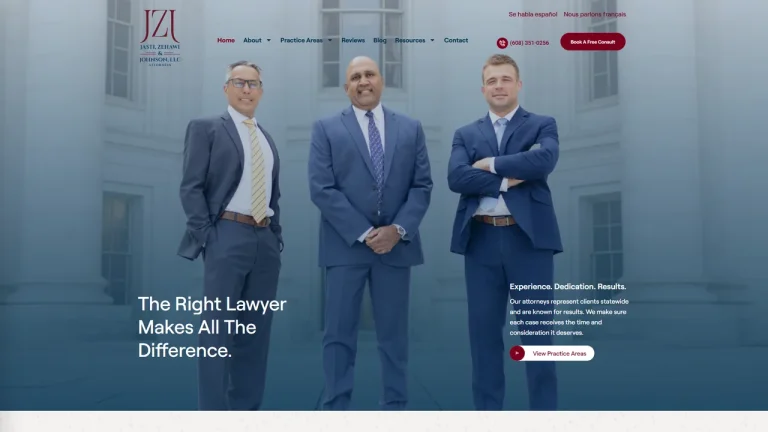
Jasti, Zehawi and Johnson, LLC - Madison, WI

Komisar Law Office - Madison, WI
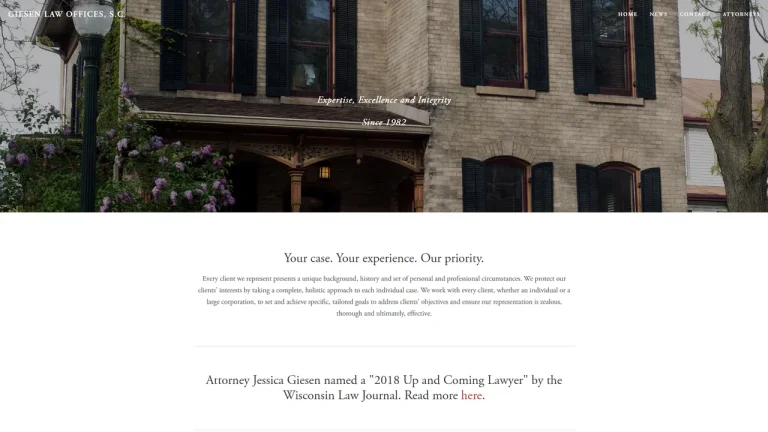
Giesen Law Offices, S.C. - Madison, WI

Tracey Wood & Associates - Madison, WI

Grieve Law Criminal Defense - Madison, WI

Stangl Law Offices - Madison, WI
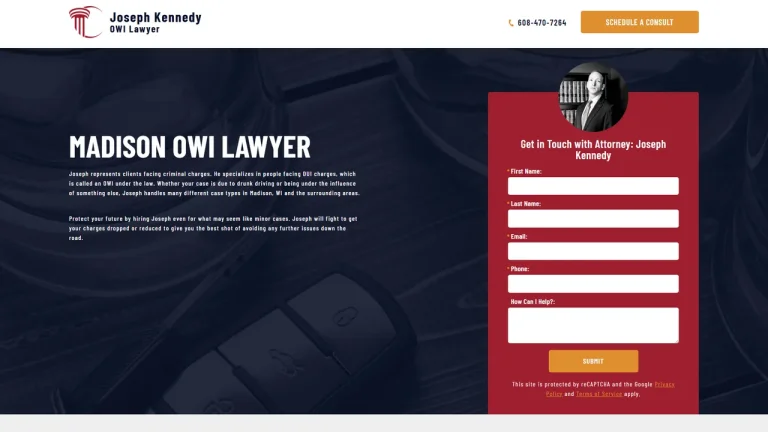
Attorney Joseph Kennedy - Madison, WI

Eisenberg Law Offices, S.C. - Madison, WI

DK Anderson, S.C. - Madison, WI
Stroud Willink and Howard Criminal Defense Group - Madison, WI
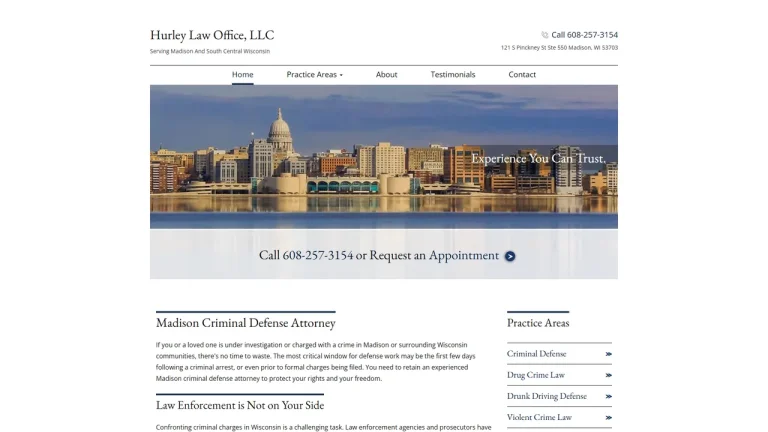
Hurley Law Office, LLC - Madison, WI

The Zaleski Law Firm - Madison, WI

Murray Law Office - Madison, WI

Robert A. Mich Jr. - Madison, WI

Johnen & Holevoet Law Offices - Madison, WI
Jair Alvarez Attorney at Law - Madison, WI

Kiefer Law Office - Madison, WI
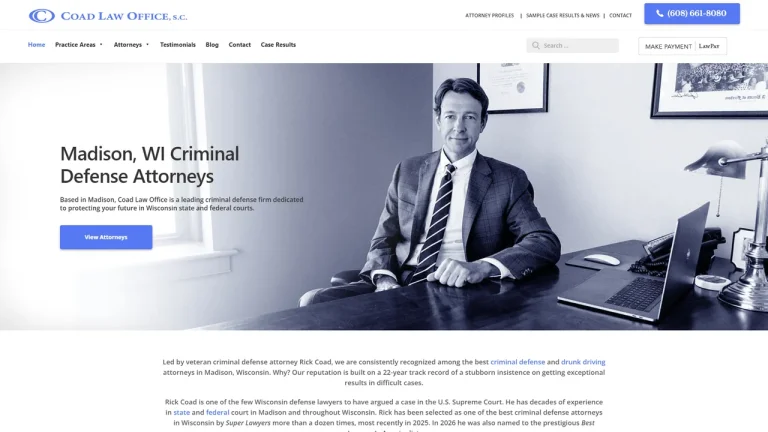
Coad Law Office, S.C. - Madison, WI

Strang Bradley, LLC - Madison, WI
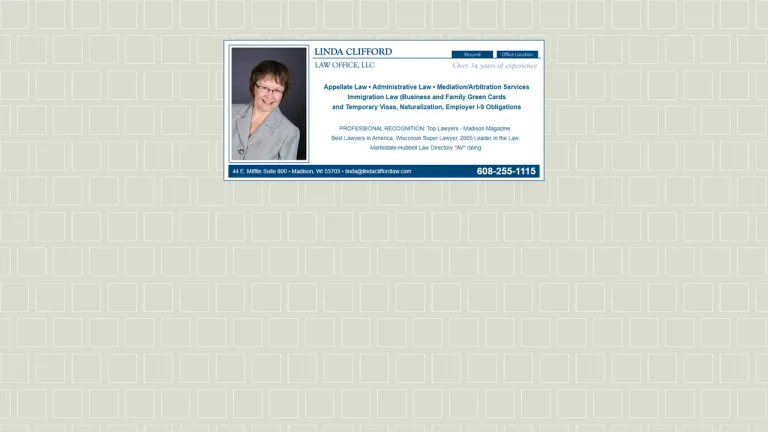
Linda Clifford Law Office LLC - Madison, WI

Hurley Burish S.C. - Madison, WI

The Law Office Of Nicholas J. Rifelj, LLC - Madison, WI
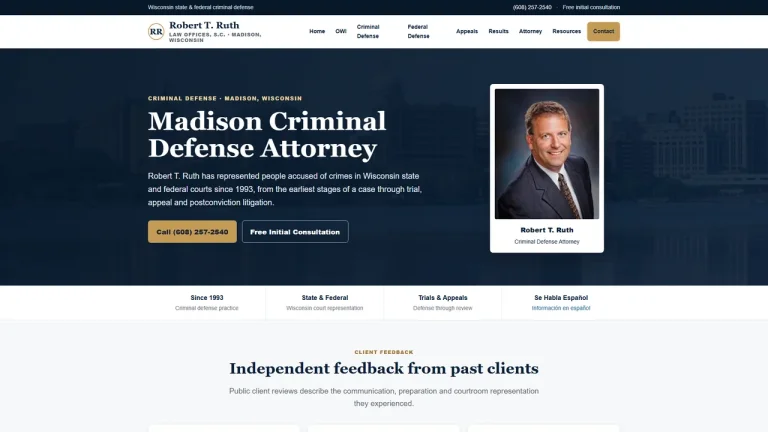
Wisconsin OWI Defense and Court Jurisdiction in Madison
Operating While Intoxicated (OWI) offenses in Madison-commonly referred to as DUI or DWI-carry immediate administrative penalties and long-term collateral consequences. Whether an arrest originates from a traffic stop along the Madison Beltline (US-12/18), East Washington Avenue, University Avenue, or the University of Wisconsin-Madison campus, securing experienced local defense representation is vital to protecting your driver's license and freedom.
Wisconsin's legal framework for impaired driving is codified under Wis. Stat. § 346.63. A standard first-offense OWI without aggravating factors or injuries is classified as a civil forfeiture matter rather than a criminal misdemeanor. When citations are issued by the Madison Police Department or the UW-Madison Police Department, they are frequently prosecuted in the City of Madison Municipal Court. Conversely, citations issued by the Dane County Sheriff's Office or Wisconsin State Patrol, as well as all criminal repeat offenses (second or subsequent violations under Wis. Stat. § 346.65), are prosecuted by the Dane County District Attorney's Office in the Dane County Circuit Court at 215 South Hamilton Street.
Local Madison defense attorneys possess in-depth familiarity with the procedures of Dane County branch judges, municipal prosecutors, and local law enforcement protocols. Effective representation requires evaluating squad car dashcam video, officer body camera recordings, Intoximeter EC/IR II breath testing calibration data, and blood sample preservation at regional medical centers such as UW Health or UnityPoint Health-Meriter.
OWI / DUI Defense Legal Fees and Representation Tiers in Madison
| Case Scenario | Fee Structure | Estimated Cost (USD) | Key Cost Determinants |
|---|---|---|---|
| First Offense OWI (Civil Forfeiture Citation) | Flat Fee | $2,000 - $4,500 | Traffic stop legality, field sobriety test execution, administrative license defense, and refusal hearings. |
| Second or Third Offense OWI (Criminal Misdemeanor) | Fixed Fee / Retainer | $4,000 - $9,000 | Mandatory minimum jail exposure, Huber work release motions, collateral challenges to prior convictions, and IID requirements. |
| Felony OWI (4th+ Offense or Injury Related) | Staged Retainer / Hourly | $7,500 - $20,000+ | Wisconsin Truth-in-Sentencing exposure, blood draw warrant challenges, forensic toxicology analysis, and expert witnesses. |
| Administrative License Suspension & Refusal Hearings | Flat Fee | $1,000 - $2,500 | WisDOT 10-day administrative review filings, blood draw search warrant compliance, and refusal litigation. |
Critical Legal Deadlines & Statutes in Wisconsin OWI Defense
Wisconsin enforces an exceptionally tight deadline following an OWI arrest. If you submitted to a chemical test that registered a prohibited alcohol concentration of 0.08% or higher under Wis. Stat. § 340.01(46m), you have exactly 10 calendar days from the date of the Notice of Intent to Suspend to request an Administrative Review Hearing with the Wisconsin Department of Transportation (WisDOT) under Wis. Stat. § 343.305(7); failure to request this hearing results in an automatic license suspension on the 30th day.
If you refused to submit to a chemical breath, blood, or urine test, the arresting officer issues a Notice of Intent to Revoke under Wis. Stat. § 343.305(10). You must file a formal request for a Refusal Hearing in the Dane County Circuit Court within 10 days of notice. Failing to file within this 10-day window results in an automatic driver's license revocation for 1 to 3 years and mandates installation of an Ignition Interlock Device (IID) under Wis. Stat. § 343.301. For criminal OWI charges, motions to suppress evidence pursuant to Wis. Stat. § 971.31 must be filed within statutory motion deadlines established at the initial appearance.
Small Claims Limits vs. Professional Legal Representation
The Small Claims Division of the Dane County Circuit Court, governed by Wis. Stat. § 799.01 with a $10,000 maximum, has no jurisdiction over municipal forfeitures, criminal prosecutions, or driver's license suspensions. OWI matters are handled strictly within the traffic, municipal, or criminal branches of the judiciary.
Appearing pro se in an OWI case puts you at an extreme disadvantage. Unrepresented individuals routinely miss the 10-day administrative hearing window with WisDOT, forfeit their driving privileges prematurely, and fail to recognize Fourth Amendment violations regarding unreasonable stops. An attorney evaluates whether the officer possessed reasonable suspicion for the stop under state law, cross-examines standardized field sobriety test administration, negotiates charge reductions (such as reckless driving), and facilitates petitions for an occupational driver's license under Wis. Stat. § 343.10.
Red Flags When Hiring a Madison OWI Defense Attorney
- Attorneys who guarantee an outright dismissal or promise that your driver's license will not be suspended, which violates State Bar of Wisconsin ethics rules.
- General practice attorneys who do not actively challenge blood draws, blood vial storage, or Wisconsin State Laboratory of Hygiene testing methodologies.
- Lawyers who fail to mention the crucial 10-day WisDOT administrative license deadline or fail to request an administrative review hearing immediately.
- Attorneys who recommend entering an immediate guilty plea at the initial appearance without first reviewing squad car video and calibration logs.
Frequently Asked Questions
Is a first-offense OWI a criminal misdemeanor in Wisconsin?
In most instances, a first-offense OWI without aggravating factors or injuries is a civil forfeiture under Wis. Stat. § 346.63(1). However, if a minor passenger under 16 years of age was in the vehicle, a first-offense becomes a criminal misdemeanor with mandatory jail time.
How long do I have to protect my driver's license after an OWI arrest in Madison?
You have strictly 10 calendar days from receiving the Notice of Intent to Suspend or Revoke to request an administrative hearing with WisDOT or a refusal hearing in Dane County Circuit Court pursuant to Wis. Stat. § 343.305.
What is the difference between Municipal Court and Circuit Court for an OWI in Madison?
The City of Madison Municipal Court adjudicates first-offense civil OWI citations issued by the Madison Police Department. The Dane County Circuit Court handles cases issued by the Sheriff's Office, the State Patrol, and all repeat criminal offenses (second and subsequent OWIs).
Can I get an occupational driver's license after an OWI suspension in Dane County?
Yes. Under Wis. Stat. § 343.10, eligible drivers may apply through the Wisconsin DMV for an occupational license permitting up to 12 hours of driving per day for work, education, and essential household tasks, subject to statutory waiting periods and IID compliance.