
Probate Lawyers in Milwaukee
Retaining a dedicated Milwaukee probate lawyer helps personal representatives navigate estate settlement, resolve creditor claims, and prevent inheritance disputes. Experienced local probate attorneys guide families through informal and formal court administration while adhering to Wisconsin statutory deadlines. Explore our verified directory below to schedule an estate review with a respected probate attorney in Milwaukee County.

Sable Law Group - WI, LLC - Milwaukee, WI

Woodburn Law Office, LLC - Milwaukee, WI

Grieve Estate Planning - Milwaukee, WI

Becker, Hickey & Poster, S.C. - Milwaukee, WI
Paul A. Maranan, S.C. - Milwaukee, WI

O'Flaherty Law - Milwaukee, WI

Duffey Law Office, S.C. - Milwaukee, WI

Mayer Galligan Law, LLC - Milwaukee, WI

Wisconsin Estate Planning Attorneys - Milwaukee, WI

Hildebrand Law Firm LLC - Milwaukee, WI

Ann S. Rothstein Attorney at Law - Milwaukee, WI
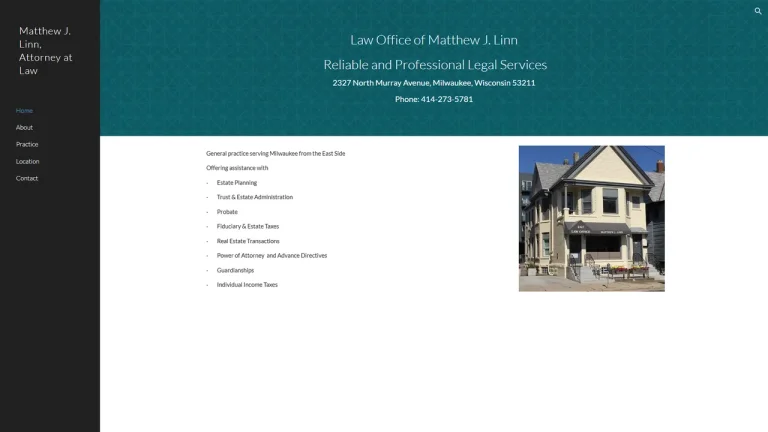
Law Office of Matthew J. Linn - Milwaukee, WI

Moertl Wilkins & Campbell - Milwaukee, WI

Angermeier and Rogers LLP - Milwaukee, WI
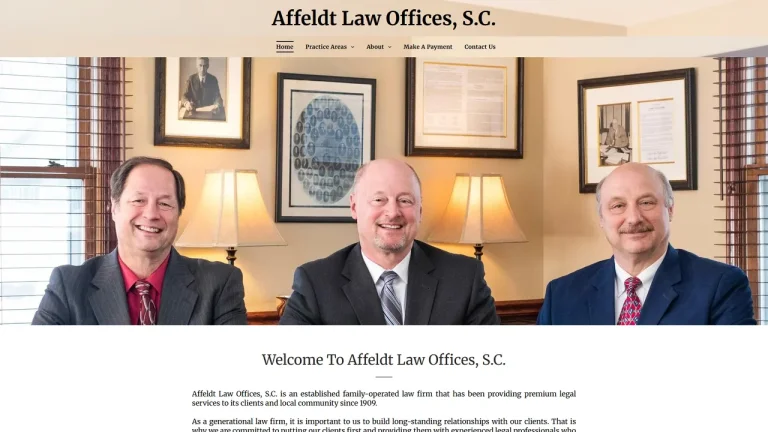
Affeldt Law Offices, S.C. - West Allis, WI

Demet Law Firm LLP - Milwaukee, WI

Walny Legal Group LLC - Milwaukee, WI

Heritage Law Office - Milwaukee, WI

Navigating the Probate Court System in Milwaukee County
Probate administration in Milwaukee is the judicial process required to validate a decedent's last will, identify and inventory estate assets, satisfy lawful creditor debts, and distribute the net balance to designated beneficiaries. For families throughout Milwaukee, Shorewood, West Allis, and Wauwatosa, estate proceedings are administered through the Milwaukee County Register in Probate.
Contested estate litigation and formal hearings take place at the Milwaukee County Courthouse at 901 N. 9th Street in downtown Milwaukee. Under Wisconsin's 1st Judicial District, probate proceedings proceed either as informal administration overseen by the probate registrar or as formal court administration conducted before a Circuit Court judge when disputes arise.
Retaining an experienced Milwaukee probate lawyer provides critical protection for personal representatives. Local counsel manages mandatory court filings on the Wisconsin Circuit Court Access (WCCA) system, coordinates legal notices to creditors, and ensures statutory compliance so that personal representatives avoid personal financial liability.
Milwaukee Probate Legal Fees and Administration Costs
| Case Scenario | Fee Structure | Estimated Cost (USD) | Key Cost Determinants |
|---|---|---|---|
| Transfer by Affidavit (Small Estate Under $50,000) | Flat Fee | $750 - $1,800 | Number of financial institutions, title transfers, and notice requirements to the Wisconsin Department of Health Services. |
| Informal Probate Administration (Uncontested) | Hourly Rate ($275 - $425/hr) | $2,800 - $6,500 | Real estate appraisal, creditor notice publications, and preparation of final court accounts. |
| Formal Court Probate (Contested / Complex Real Estate) | Hourly Rate ($325 - $500/hr) | $5,500 - $15,000+ | Court appearances at the Milwaukee County Courthouse, multi-party disputes, and contested asset liquidations. |
| Contested Will Litigation & Fiduciary Challenges | Hourly Retainer ($350 - $550/hr) | $10,000 - $40,000+ | Depositions, expert medical testimony regarding capacity, undue influence claims, and courtroom trials. |
Critical Legal Deadlines & Statutes in Wisconsin
Probate administration in Milwaukee County must comply with strict statutory timeframes. Under Wis. Stat. § 856.05, any person possessing an original will must deliver it to the Milwaukee County Register in Probate within 30 days after learning of the testator's death.
Small estates totaling $50,000 or less in net probate value can bypass court proceedings through a Transfer by Affidavit under Wis. Stat. § 867.03, following a statutory 30-day waiting period from the date of death. When full probate is opened, Wis. Stat. § 859.01 establishes that creditors generally have three to four months from the date of the court's notice order to submit formal claims against the estate.
Furthermore, under Wis. Stat. § 858.01, personal representatives are required to submit an accurate inventory of all estate assets to the court within six months of appointment. Surviving spouses must also observe strict statutory deadlines to assert elective share or deferred marital property rights pursuant to Wis. Stat. § 861.02.
Small Claims Court Limits vs. Estate Court Jurisdiction
Wisconsin limits small claims court jurisdiction to disputes of $10,000 or less under Wis. Stat. § 799.01. The Milwaukee County Small Claims Court has no legal authority to appoint estate fiduciaries, admit wills to probate, supervise asset sales, or adjudicate beneficiary conflicts.
All estate matters must be resolved through the Probate Division of the Milwaukee County Circuit Court. Attempting DIY estate administration without legal counsel exposes personal representatives to personal liability for improper distribution of assets, failure to satisfy valid tax obligations, or premature payment of junior creditor claims.
Red Flags When Selecting a Milwaukee Probate Attorney
- Percentage-Based Fee Demands: Wisconsin law requires probate legal fees to be reasonable and based on actual time, complexity, and services rendered rather than a percentage of the gross estate value.
- Unfamiliarity with Local Probate Registry: Avoid attorneys who do not regularly practice before the Milwaukee County Register in Probate or lack familiarity with local court administrative procedures.
- Failure to Address Estate Recovery Liens: Ensure your lawyer complies with Wisconsin Medicaid Estate Recovery notifications; failure to do so can result in personal fiduciary exposure.
- Lack of Clear Administrative Timelines: Be cautious of law practices that cannot provide clear estimates regarding creditor notice deadlines, asset appraisal intervals, and estate closure dates.
Frequently Asked Questions
How long does the probate process take in Milwaukee County?
An uncontested informal probate proceeding in Milwaukee County typically takes between six and twelve months to resolve, allowing sufficient time for the statutory creditor notice window, asset appraisals, tax filings, and final distribution approvals.
When can an estate use the Wisconsin Transfer by Affidavit process?
An heir or trustee can utilize a Transfer by Affidavit under Wisconsin law if the decedent's total probate assets do not exceed $50,000, allowing asset transfers without formal probate court supervision.
What is the difference between informal and formal probate in Milwaukee?
Informal probate is handled administratively by the Milwaukee County Probate Registrar when all parties agree and the will is straightforward. Formal probate requires appearances before a Circuit Court judge to resolve contested issues or complex asset divisions.
Can a personal representative receive compensation in Wisconsin?
Yes. Personal representatives in Wisconsin are legally entitled to reasonable compensation for their administrative time and labor, which may be specified in the will or calculated according to statutory guidelines and approved by the court.
How are debts paid from an estate during Milwaukee probate?
Estate debts are paid in a strict order of statutory priority under Wisconsin law: administrative and legal costs are paid first, followed by funeral expenses, medical bills from the final illness, state and federal taxes, and general unsecured creditor debts.