
Harassment Lawyers in Illinois
Connect with dedicated Illinois harassment lawyers to stop workplace hostility, pursue civil claims, and hold offending employers accountable statewide. Experienced legal counsel assists victims in securing protective remedies and negotiating financial settlements to resolve disputes out of court. Review verified local attorneys in our directory below to schedule an immediate consultation.

Schuenke Law Firm - Quincy, IL

Barrett & Farahany - Chicago, IL

Manikowski Law Office, L.L.C. - Oak Park, IL

James Kelly Law Firm - Peoria, IL

Akerman LLP - Chicago, IL
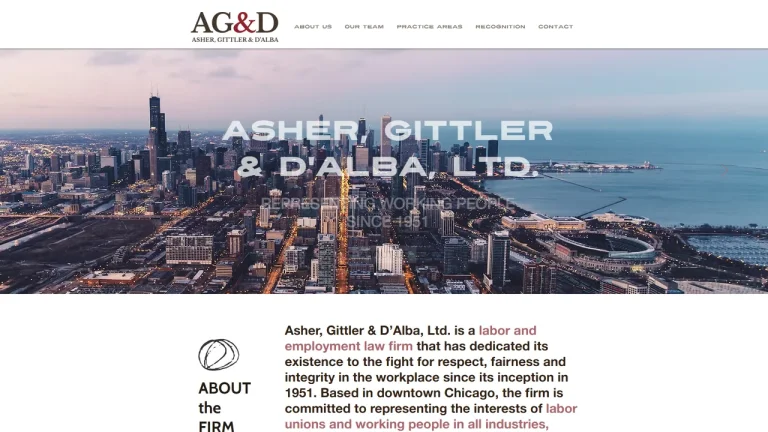
Asher Gittler & D'Alba, Ltd - Chicago, IL

Ken Apicella, Attorney at Law - Palatine, IL
Kerry A. Garesche Law - Palatine, IL
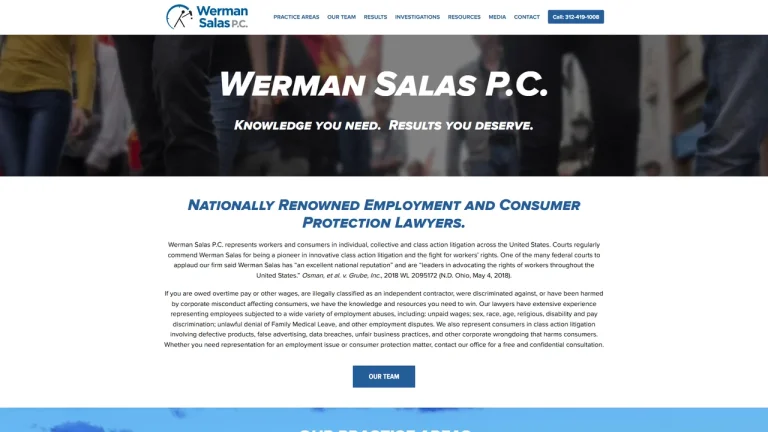
Werman Salas P.C. - Chicago, IL

Hinshaw & Culbertson LLP - Belleville, IL

Evans & Dixon, LLC - Joliet, IL
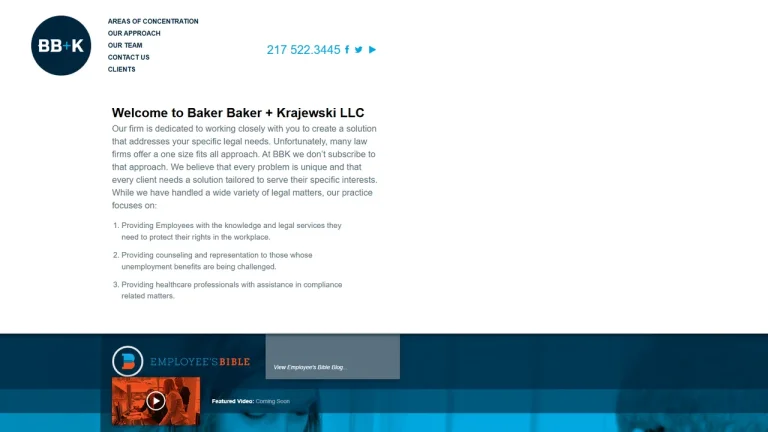
James Baker Law Office - Springfield, IL

McKensie Meadows, Attorney at Law - Decatur, IL

Franczek P.C. - Chicago, IL
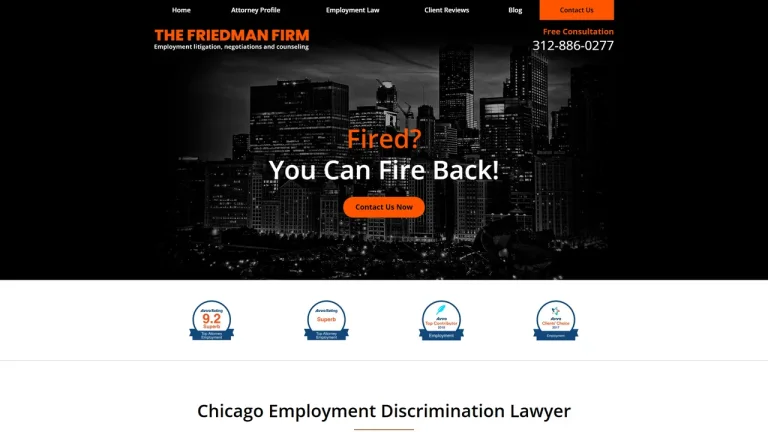
The Friedman Firm - Chicago, IL
Conexión Legal - Des Plaines, IL
Livingston Barger Brandt, & Schroeder, LLP - Champaign, IL
Califf & Harper PC - Moline, IL
USA Employment Lawyers - Jordan Richards, PLLC - Rockford, IL
Ed Fox & Associates, Ltd. - Chicago, IL

James A. Devine, Attorney at Law - Springfield, IL

Heitz & Bromberek, Ltd. - Naperville, IL
Athena Herman Law, LLC - Peoria, IL
Illinois Anti-Harassment Statutes and Judicial Venues
Workplace and civil harassment in Illinois are subject to strict statutory standards designed to ensure personal safety and professional dignity. When an employee experiences severe or pervasive hostility or unwelcome sexual conduct, the law provides actionable civil remedies against employers and individual perpetrators across the state.
Harassment lawsuits are litigated in Illinois Circuit Courts within the respective judicial circuits, including the Circuit Court of Cook County at the Richard J. Daley Center in Chicago, the Eighteenth Judicial Circuit in DuPage County, the Nineteenth Judicial Circuit in Lake County, the Twelfth Judicial Circuit in Will County, and the Seventh Judicial Circuit in Sangamon County. Pleadings are filed through the statewide eFileIL portal. In workplace disputes, complaints are investigated through the Illinois Department of Human Rights (IDHR) and the Illinois Human Rights Commission (IHRC) before entering state or federal court.
Attorneys handling harassment litigation must be admitted to practice by the Supreme Court of Illinois and regulated by the Attorney Registration and Disciplinary Commission (ARDC). Working with experienced legal counsel ensures that digital communications, witness statements, and corporate personnel records are preserved to establish employer liability.
Illinois Harassment Legal Representation Cost Structure
| Case Scenario | Fee Structure | Estimated Cost (USD) | Key Cost Determinants |
|---|---|---|---|
| Civil Stalking or No Contact Order Hearing | Flat Fee or Hourly | $1,500 - $3,500 | Emergency ex parte petition preparation, electronic evidence review, and evidentiary hearing testimony. |
| Workplace Sexual Harassment Pre-Suit Resolution | Contingency Fee | 33.3% of gross recovery | Severe or pervasive conduct documentation, internal human resources reporting history, and private mediation. |
| Litigated Hostile Work Environment Lawsuit | Contingency Fee | 33.3% to 40% of gross recovery | Supervisor strict liability analysis, deposition discovery of management, and circuit court trial preparation. |
| Illinois Gender Violence Act Litigation | Contingency + Case Expenses | 40% of gross recovery | Establishing employer liability for workplace violence, medical expert evaluations, and jury trial litigation. |
Critical Legal Deadlines & Statutes in Illinois
Workplace sexual harassment is regulated under the Illinois Human Rights Act pursuant to 775 ILCS 5/2-102. Under this statute, employers are held strictly liable for harassment committed by supervisory personnel, regardless of whether the employer knew or should have known of the conduct. An administrative charge must be filed with the IDHR within 300 calendar days of the harassment incident under 775 ILCS 5/7A-102.
Non-disclosure restrictions regarding harassment are strictly regulated under the Illinois Workplace Transparency Act, codified in 820 ILCS 96/1-25. Any employment agreement that restricts an employee from reporting harassment or discussing allegations of sexual misconduct with government investigators is void and unenforceable under state law.
For incidents involving gender-based physical harm or severe intimidation, victims may pursue civil actions under the Illinois Gender Violence Act pursuant to 740 ILCS 82/10. Civil claims under this statute against employers who failed to supervise or investigate allegations can be initiated within four years under 740 ILCS 82/20. In non-employment stalking situations, victims may seek emergency protective relief under the Stalking No Contact Order Act pursuant to 740 ILCS 21/1.
Small Claims Limitations vs. Circuit Court Harassment Remedies
In Illinois, the Small Claims Division handles monetary claims not exceeding $10,000 under Illinois Supreme Court Rule 281. However, small claims courts possess zero authority to issue restraining orders, grant protective relief, or adjudicate hostile work environment claims under the Illinois Human Rights Act.
Harassment claims regularly involve complex evidentiary questions regarding corporate notice, human resources negligence, and supervisor liability under 775 ILCS 5/2-102. Experienced Illinois harassment lawyers subpoena electronic messaging platforms, depose corporate officers who ignored internal complaints, and navigate administrative procedures to obtain financial compensation and injunctive protections.
Red Flags When Choosing an Illinois Harassment Lawyer
- Pressuring Clients into Unlawful Non-Disclosure Terms: Steer clear of attorneys who recommend settlement releases that violate the Illinois Workplace Transparency Act under 820 ILCS 96/1-25.
- Failing to Analyze Supervisor Strict Liability: Ensure your lawyer understands that under 775 ILCS 5/2-102, employers cannot avoid liability for supervisor sexual harassment by claiming lack of notice.
- Bypassing the 300-Day IDHR Window: Avoid counsel who delays administrative filing beyond the 300-day deadline required under 775 ILCS 5/7A-102.
- Lack of Trial Experience in Circuit Courts: Reject representation from high-volume settlement intake firms that lack courtroom experience in Illinois Circuit Courts.
Frequently Asked Questions
What constitutes sexual harassment under Illinois employment law?
Under 775 ILCS 5/2-101, sexual harassment includes any unwelcome sexual advances, requests for sexual favors, or verbal and physical conduct of a sexual nature that creates an intimidating or hostile work environment.
Is an employer strictly liable for supervisor harassment in Illinois?
Yes. Under 775 ILCS 5/2-102, an employer is held strictly liable for sexual harassment committed by a supervisor, regardless of whether executive leadership was notified.
How much time do I have to report workplace harassment in Illinois?
A formal charge of workplace harassment must be filed with the Illinois Department of Human Rights (IDHR) within 300 days of the occurrence under 775 ILCS 5/7A-102.
What is the Illinois Gender Violence Act?
Codified under 740 ILCS 82/10, this act allows victims of gender-related physical violence or threats to bring civil damages lawsuits directly against perpetrators and employers who aided or permitted the conduct.
Can an employer require me to sign a non-disclosure agreement regarding harassment?
Under the Illinois Workplace Transparency Act (820 ILCS 96/1-25), mandatory non-disclosure clauses regarding harassment are void and unenforceable unless agreed to mutually in a negotiated settlement.