
Debt Relief Lawyers in Fort Wayne
Securing strategic debt relief in Fort Wayne provides immediate legal protection against aggressive creditor lawsuits, frozen bank accounts, and wage garnishments. A qualified debt defense attorney can assert statutory property exemptions and negotiate favorable debt settlements out of court. Review our vetted directory below to schedule a confidential debt assessment with trusted local counsel.

Loomis Law Office - Fort Wayne, IN

Fred Wehrwein, PC - Fort Wayne, IN

Boyer and Boyer - Fort Wayne, IN

Three Rivers Bankruptcy - Fort Wayne, IN

Kleven Law, LLC - Fort Wayne, IN
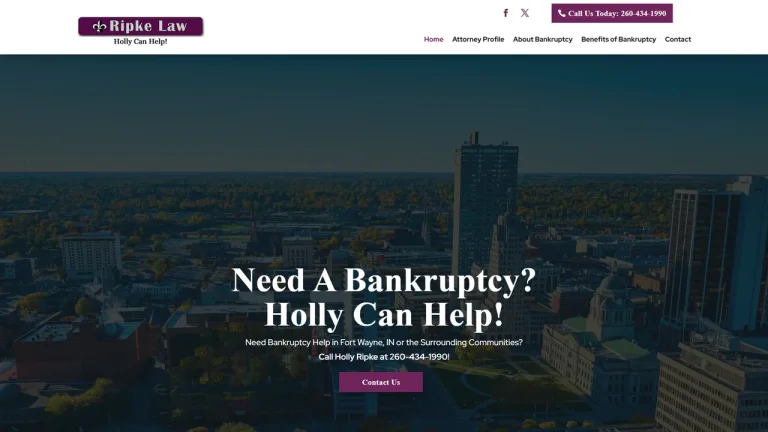
Attorney Holly Ripke At Ripke Law - Fort Wayne, IN
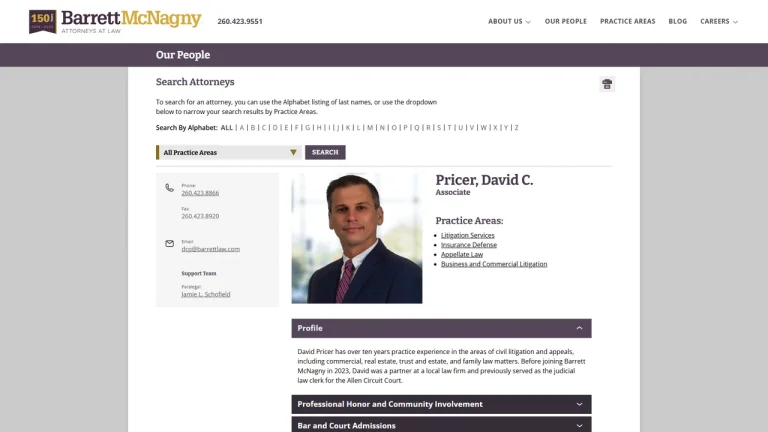
David C. Pricer (Barrett McNagny LLP) - Fort Wayne, IN

Fred Wehrwein, P.C. - Fort Wayne, IN

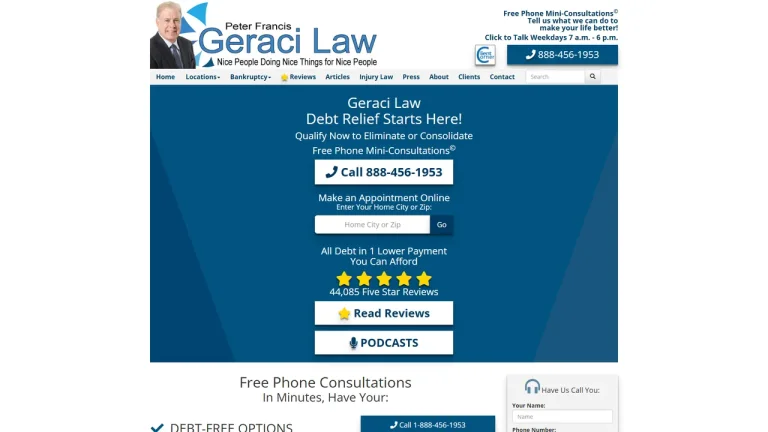
Peter Francis Geraci Law L.L.C. - Fort Wayne, IN

The Law Office of John Thomas Sees - Fort Wayne, IN

W. Randall Kammeyer - Hawk Haynie Kammeyer & Smith LLP - Fort Wayne, IN

Raskosky Law Office - Fort Wayne, IN

Gloyeski Law Office - Fort Wayne, IN

Golden Law, PC - Fort Wayne, IN
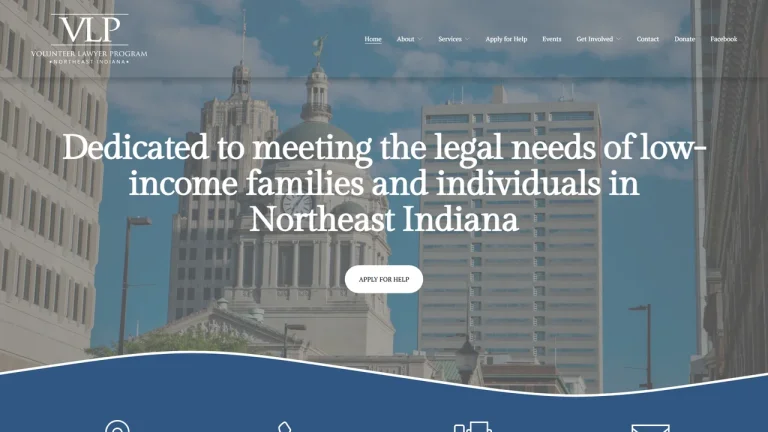
The Volunteer Lawyer Program - Fort Wayne, IN
Jeffrey S. Arnold, Attorney at Law, P.C. - Fort Wayne, IN

Levy & Associates LLC - Fort Wayne, IN
Debt Resolution Practice and Judicial Procedures in Fort Wayne
Mounting credit card obligations, medical debt, and sudden vehicle repossessions create substantial financial strain for families and business owners throughout Fort Wayne. When aggressive collection agencies threaten your household solvency, asserting your statutory rights under state and federal law is essential to restoring financial stability.
Debt collection lawsuits for Allen County residents are litigated in the Allen Superior Court at the Allen County Courthouse on South Calhoun Street and the Charles "Bud" Meeks Justice Center. For individuals and small business owners seeking federal debt restructuring or complete liquidation, cases are filed in the U.S. Bankruptcy Court for the Northern District of Indiana, Fort Wayne Division, located at the E. Ross Adair Federal Building.
An experienced Fort Wayne debt relief attorney evaluates both judicial and non-bankruptcy debt resolution strategies. By challenging defective debt buyer paperwork, negotiating reduced lump-sum settlements, and applying Indiana statutory asset exemptions, local counsel protects residents across Fort Wayne, New Haven, and Huntertown from predatory collections.
Typical Fee Structures for Debt Relief Services in Fort Wayne
| Case Scenario | Fee Structure | Estimated Cost (USD) | Key Cost Determinants |
|---|---|---|---|
| Creditor Lawsuit Defense (Allen Superior Court) | Flat or Hourly Fee | $1,000 - $3,000 ($250 - $400/hr) | Debt buyer chain-of-title documentation defects, FDCPA counterclaims, and negotiation in Fort Wayne courts. |
| Out-of-Court Debt Settlement Negotiation | Flat Fee / Percentage | $1,500 - $3,500 / 15% - 25% of savings | Creditor willingness to compromise, available lump-sum settlement funds, and tax Form 1099-C considerations. |
| Wage Garnishment Defense & Exemption Hearing | Flat Fee | $750 - $1,800 | Enforcing Indiana UCCC statutory caps, proceedings supplemental appearances, and bank freeze releases. |
| Chapter 7 Consumer Bankruptcy Liquidation | Flat Fee | $1,200 - $2,200 (plus filing fees) | Household income under the Indiana median, number of unsecured creditors, and asset complexity under state exemptions. |
Critical Legal Deadlines & Statutes in Indiana
Navigating debt resolution in Indiana requires strict compliance with statutory limitation periods and consumer credit rules. Under Ind. Code § 34-11-2-9, the statute of limitations on promissory notes and written contracts for the payment of money is six years. When debt buyers file collection suits after this six-year period has elapsed, the claim is legally time-barred, providing an absolute defense against collection.
For consumers facing wage garnishment orders following a money judgment, the Indiana Uniform Consumer Credit Code under Ind. Code § 24-4.5-5-105 strictly limits garnishment to the lesser of 25 percent of weekly disposable earnings or the amount by which weekly earnings exceed 30 times the federal minimum wage. Furthermore, abusive or deceptive collection practices are actionable under the federal Fair Debt Collection Practices Act pursuant to 15 U.S. Code § 1692.
When private negotiations fail, filing for federal bankruptcy relief triggers the automatic stay under 11 U.S. Code § 362, which legally halts all pending state collection actions. Debtors can protect their property using statutory asset exemptions set forth in Ind. Code § 34-55-10-2.
Small Claims Limitations vs. Formal Debt Defense Counsel
Under Ind. Code § 33-29-2-4, the Allen Superior Court small claims division handles debt collection actions capped at $10,000. Debt collection agencies frequently rely on unrepresented consumers failing to appear, securing easy default judgments and wage garnishment orders.
Retaining a dedicated debt relief attorney changes the dynamic. Counsel can contest the plaintiff lack of legal standing, demand strict proof of chain of custody for purchased debt portfolios, assert the six-year statute of limitations under Ind. Code § 34-11-2-9, and negotiate substantial balance reductions that protect bank accounts from sudden freezes.
Red Flags to Avoid When Selecting Legal Counsel
- Non-attorney telemarketing debt settlement companies that collect substantial upfront fees without providing licensed Indiana legal representation.
- Settlement programs that advise you to stop communicating with creditors while lawsuits are actively progressing in the Allen County Courthouse.
- Failure of debt settlement firms to explain the potential tax implications of forgiven debt under IRS Form 1099-C.
- Advisors who negotiate payments on expired debts without evaluating whether the six-year Indiana statute of limitations has run.
Frequently Asked Questions
How much of my paycheck can be garnished under Indiana debt collection laws?
Under Ind. Code § 24-4.5-5-105, wage garnishment is limited to the lesser of 25 percent of your weekly disposable income or the amount by which your disposable earnings exceed 30 times the federal minimum wage, protecting basic living funds.
What should I do if I am served with a collection lawsuit in Allen County?
Do not ignore the summons. You must file a formal written appearance or answer with the Allen Superior Court to avoid a default judgment, and consult an attorney to inspect the debt buyer chain of title and applicable statutory defenses.
What is the statute of limitations on credit card debt in Indiana?
Under Ind. Code § 34-11-2-9, the statute of limitations for actions on written contracts and accounts for payment of money is six years from the date of default or the last payment made.
How does attorney debt settlement differ from commercial debt consolidation?
Unlike out-of-state consolidation companies, an attorney provides legal advice, represents you in court if a creditor sues in Fort Wayne, protects you against FDCPA violations under 15 U.S. Code § 1692, and can seamlessly transition your case to bankruptcy if needed.
Can a creditor freeze my Fort Wayne bank account without a court judgment?
Generally no. Private creditors and collection agencies must first obtain a final money judgment in court before they can initiate proceedings supplemental to freeze or attach funds in an Indiana bank account.