
Business & Real Estate Lawyers in Detroit
Connect with top Detroit business and real estate lawyers to close transactions, resolve property title defects, and protect commercial enterprise interests. Experienced Wayne County attorneys can navigate municipal zoning, negotiate commercial leases, and resolve partnership or contract disputes outside of court. Explore our directory below to consult verified legal professionals serving Downtown Detroit, Midtown, Corktown, and the greater metropolitan area.
Attorney Deborah Geraldine Bledsoe Ford - Detroit, MI

UAW Legal Services Plan - Detroit, MI

Helm Miller and Miller - Detroit, MI
Great Lakes Law Practice LLC - Detroit, MI

Michael A. Indenbaum - Detroit, MI

Bodman PLC - Detroit, MI

Donald B. Miller - Detroit, MI

Demers Law PLLC - Detroit, MI

Berry Moorman PC - Detroit, MI

Perkins Law Group, PLLC - Detroit, MI

Ayad Law, PLLC - Detroit, MI
Taft Detroit (Downtown) - Detroit, MI

A|Squared Legal Group, PLC - Detroit, MI
Foley & Lardner LLP: Norman C. Ankers - Detroit, MI

Miller Johnson - Detroit, MI
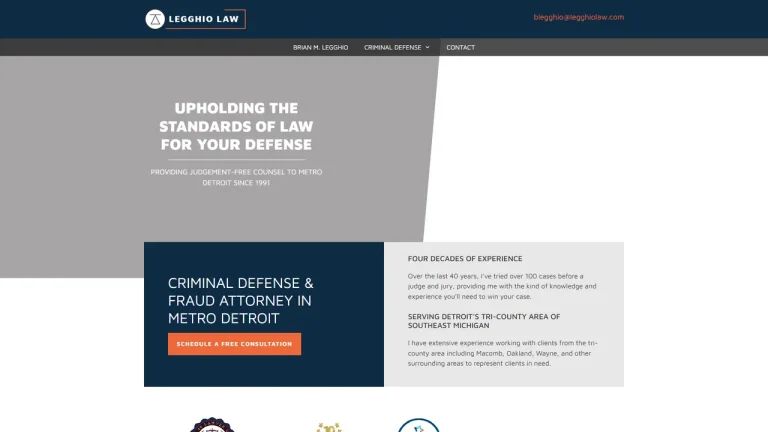
Brian Legghio - Detroit, MI
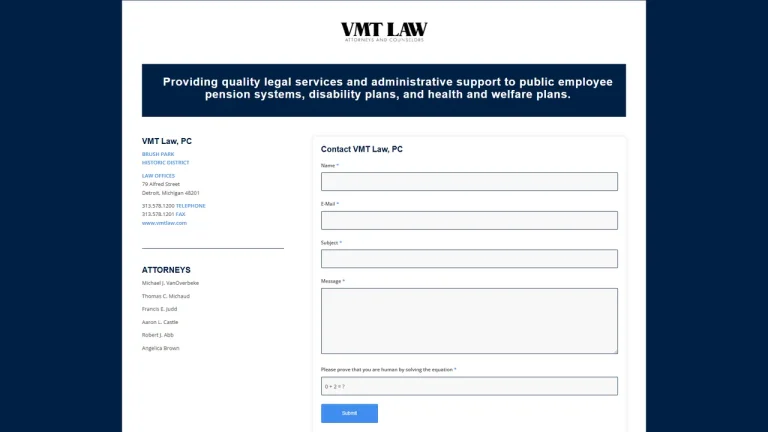
VanOverbeke Michaud and Timmony - Detroit, MI
Michigan Law Clinic - Detroit, MI
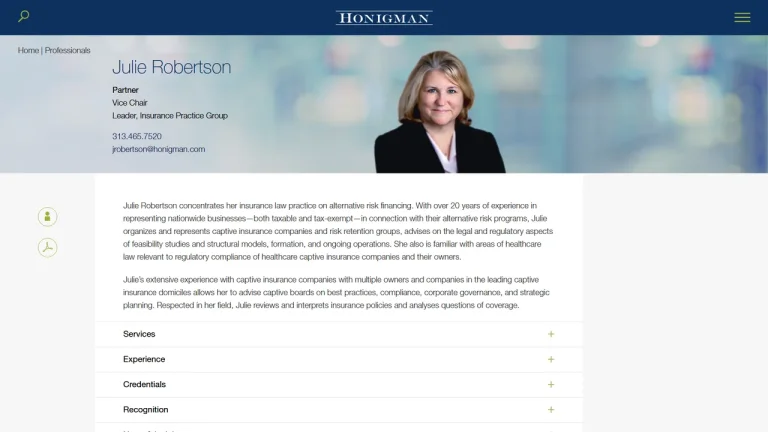
Julie E. Robertson - Detroit, MI

Neighborhood Legal Services Michigan - Detroit, MI

The Miller Law Firm, P.C. - Detroit, MI

Burris Law, PLLC - Detroit, MI
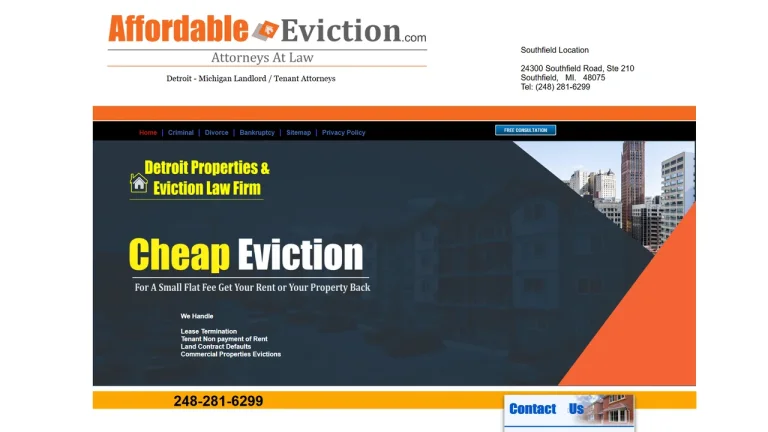
LEGALMAX P.C. - Detroit, MI
Commercial Growth & Real Estate Jurisdiction in Detroit
Detroit's ongoing commercial transformation presents substantial opportunities and legal complexities for property owners, developers, and entrepreneurs. From major mixed-use developments along Woodward Avenue in Downtown and Midtown to logistics hubs in Southwest Detroit and neighborhood retail revitalizations in Corktown and Eastern Market, structuring transactions soundly is essential for sustainable investment.
Corporate entities operating in Detroit must adhere to state registration mandates overseen by the Michigan Department of Licensing and Regulatory Affairs under the Michigan Business Corporation Act at MCL § 450.1101 and the Michigan Limited Liability Company Act at MCL § 450.4101. Real estate acquisitions often encounter unique local hurdles, including Wayne County tax auction redemption rights, Detroit Land Bank Authority compliance agreements, municipal historic district constraints, and commercial zoning approvals before the Detroit Board of Zoning Appeals.
Disputes exceeding $25,000, along with actions for quiet title, commercial foreclosure, and equitable corporate remedies, fall under the jurisdiction of the 3rd Judicial Circuit Court of Michigan at the Coleman A. Young Municipal Center on Woodward Avenue. Smaller contract disputes and commercial summary eviction proceedings are heard at the 36th District Court on Madison Street. Retaining experienced Detroit legal counsel ensures your contracts, conveyances, and title documents withstand strict judicial scrutiny.
Common Business & Real Estate Legal Engagements in Detroit
| Case Scenario | Fee Structure | Estimated Cost (USD) | Key Cost Determinants |
|---|---|---|---|
| Entity Formation & Operating Agreement Drafting | Flat Fee | $950 - $3,000 | Number of founding partners, customized equity allocation classes, buy-sell clauses, and state filing fees. |
| Commercial Real Estate Purchase & Lease Review | Hourly / Flat Fee | $1,800 - $6,500 | Due diligence review, environmental Phase I evaluation, title commitment defects, and tenant buildout terms. |
| Quiet Title Action & Title Cloud Resolution | Flat Fee / Hourly | $3,000 - $8,500 | Unprobated heirship chains, unreleased mortgages, Wayne County tax foreclosure notice defects, and service of process. |
| Contested Business or Real Estate Litigation | Hourly Retainer | $10,000 - $40,000+ | Scope of e-discovery, emergency preliminary injunction motions in Wayne County Circuit Court, and trial duration. |
Critical Legal Deadlines & Statutes in Michigan
Real estate and commercial operations in Detroit are constrained by statutory deadlines. Conveyances of real property must satisfy Michigan's Statute of Frauds under MCL § 566.106 and MCL § 566.108, which dictate that every contract for the sale or lease of real estate exceeding one year must be in writing to be legally enforceable.
For commercial contracts and property disputes, Michigan enforces a six-year statute of limitations for breach of contract claims under MCL § 600.5807(8). Real estate quiet title actions to clear adverse possession or historical claims are governed by MCL § 600.5801(4), establishing a 15-year statutory limitation period, though claims based on tax deeds or sheriff's deeds carry shorter 10-year limitation rules under MCL § 600.5801(2).
Commercial leasing disputes and summary proceedings to recover possession of real estate follow strict procedural rules under MCL § 600.5714. Depending on the lease default, statutory notice periods require seven days for nonpayment of rent or thirty days for lease termination before a formal eviction complaint can be filed in the 36th District Court. Landlords pursuing construction lien remedies must record their claims within 90 days of the last provision of labor or materials under MCL § 570.1111.
Small Claims Limitations vs. Professional Representation
In Detroit, minor monetary disputes are heard by the Small Claims Division of the 36th District Court, where recovery is capped at $7,000 pursuant to MCL § 600.8401. While an individual can represent themselves in small claims to recover an unpaid invoice or modest vendor bill, the Small Claims Division lacks legal authority to order equitable remedies, clear real estate titles, reform corporate operating agreements, or decree specific performance.
Furthermore, under MCL § 600.8408, legal counsel is prohibited from representing litigants during Small Claims Division hearings unless the case is formally transferred to the district court's general civil docket. Detroit commercial transactions and title controversies regularly involve substantial capital, environmental liabilities, and intricate municipal zoning issues that far exceed small claims limitations. Engaging a Detroit business and real estate lawyer ensures your real estate holdings and commercial assets are properly protected under Michigan law.
Red Flags & Vetting Local Legal Counsel
Securing counsel with deep roots in Wayne County's property and municipal landscape is crucial to protecting your commercial assets. Confirm that prospective attorneys are active members of the State Bar of Michigan with verifiable experience in local courtrooms. Guard against these common risks when selecting legal counsel:
- Unvetted Quitclaim Deed Conveyances: Beware of practitioners who advise acquiring Detroit properties via quitclaim deeds without securing comprehensive title insurance or conducting deep Wayne County title searches.
- Overlooking Municipal Code and Compliance Liens: Detroit properties frequently carry municipal blight tickets, Detroit Land Bank Authority reconveyance covenants, or special tax assessments that must be resolved prior to closing.
- Using Generic Online Business Agreements: Standard corporate templates often fail to address Michigan-specific governance rules under MCL § 450.4101, leading to deadlock in multi-member LLCs.
- Inexperience in Wayne County Circuit Court: When commercial disagreements escalate, your attorney must have practical experience handling expedited preliminary injunctions and business court dockets at CAYMC.
Frequently Asked Questions
Why is a quiet title action often necessary for Detroit real estate?
Due to historical tax auctions, unprobated estates, and unrecorded land contracts in Wayne County, many properties suffer from clouded titles. A quiet title action under MCL § 600.2932 in the 3rd Circuit Court legally eliminates competing claims and establishes marketable title eligible for title insurance.
What is the difference between a warranty deed and a quitclaim deed in Wayne County?
Under MCL § 565.151, a warranty deed guarantees that the seller holds clear title free of encumbrances. A quitclaim deed under MCL § 565.152 transfers only whatever interest the seller may have, offering zero guarantees against existing liens or title clouds.
Can real estate and commercial contract disputes be resolved out of court in Detroit?
Yes. Many business and property conflicts are resolved efficiently through attorney-led negotiations, formal demand letters, lease workouts, or private mediation, preventing the substantial expense of litigation in the Wayne County Circuit Court.
What is the statute of limitations for commercial breach of contract in Michigan?
Under MCL § 600.5807(8), the statute of limitations for bringing a lawsuit based on the breach of a written commercial or real estate contract is six years from the date the breach occurred.
How does the Detroit Land Bank Authority compliance process affect property purchases?
Properties acquired through the DLBA often require buyers to complete rehabilitation within a strict timeframe. Failure to meet these contractual deadlines can result in the DLBA exercising its right of reconveyance to reclaim the property.