
Probate Lawyers in Detroit
Connect with top-rated probate lawyers in Detroit, Michigan, to navigate estate administration, resolve will contests, and manage Wayne County probate court. Experienced attorneys provide compassionate guidance through informal and formal probate, asset distribution, and creditor notifications to protect family inheritances. Explore our verified directory below to schedule a case review with an experienced Detroit probate lawyer.

LADIES IN LAW - Estate Planning & Asset Protection Attorneys - Detroit, MI

Law Office of Eric I. Frankie PLC - Detroit, MI
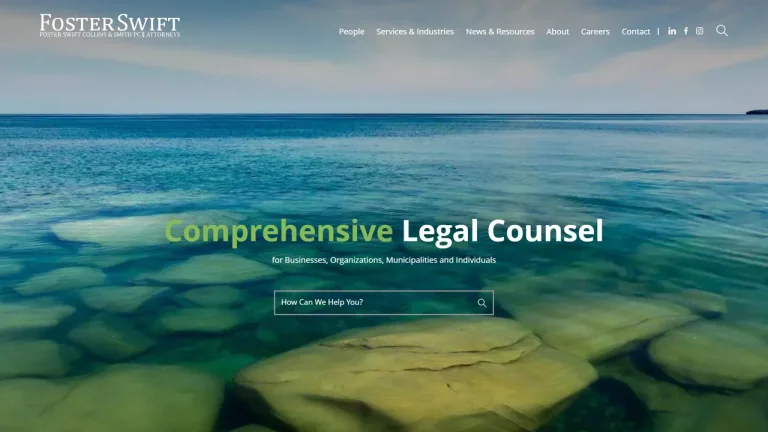
Foster Swift Collins & Smith, P.C. - Detroit, MI
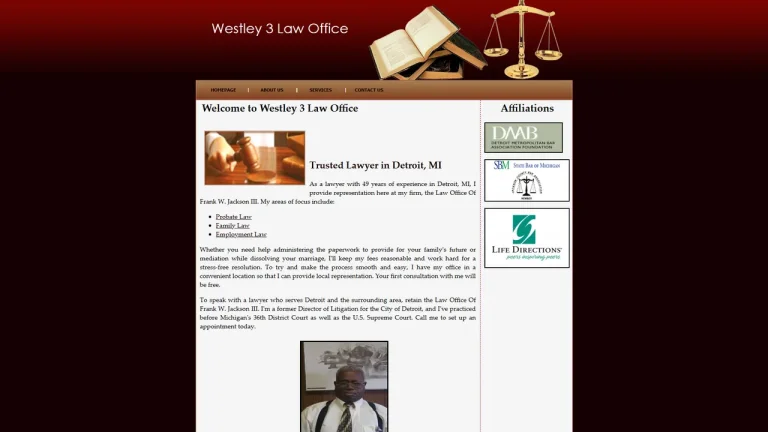
Law Office Of Frank W. Jackson III, PLLC - Detroit, MI

Law Office of Joseph F. Dillard - Detroit, MI
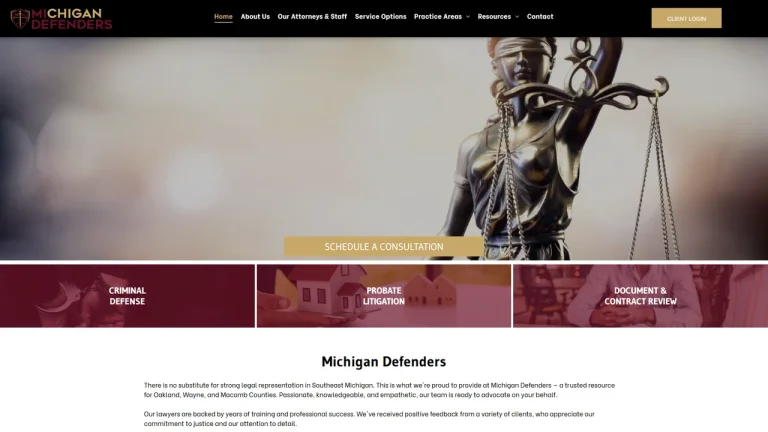
Michigan Defenders - Detroit, MI

John M. Chase, P.C. - Detroit, MI
Lance W. Mason, P.C. - Detroit, MI

Demers Law PLLC - Detroit, MI

Woodward Law Group PLLC - Detroit, MI

Linda Perkins Law Offices - Detroit, MI

Tillman and Tillman - Detroit, MI

AJ Skillman Law PLLC - Detroit, MI

Shaheen Jacobs & Ross - Detroit, MI
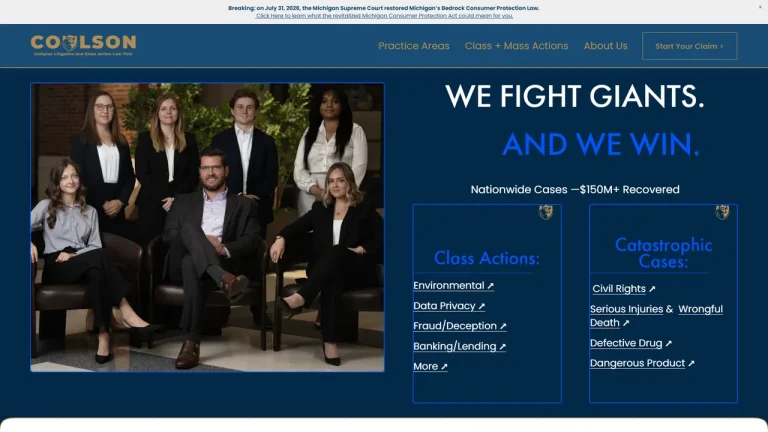
Coulson P.C. - Detroit, MI

Howard & Gupta Law Office - Detroit, MI

Harp Law - Detroit, MI

The Probate Pro - Detroit, MI

Holly B. Safronoff, P.C. - Detroit, MI

Neighborhood Legal Services Michigan - Detroit, MI

Rutkowski Law Firm Estate Planning and Asset Protection - Detroit, MI

Dold, Spath & Kiriazis, P.C. - Detroit, MI

Dupuy Law Firm, PLC - Detroit, MI
Estate Administration and Probate in Wayne County
Navigating the probate process following the loss of a loved one can be legally demanding and emotionally taxing. In Detroit, settling an estate requires strict adherence to Michigan probate statutes, local court rules, and rigorous accounting standards. From validating a decedent's last will and testament to liquidating real estate across Detroit neighborhoods like Palmer Woods, Indian Village, Rosedale Park, and Corktown, professional legal guidance ensures that assets pass to rightful heirs without avoidable delays or personal liability for the personal representative.
All probate proceedings in Detroit fall under the direct jurisdiction of the Wayne County Probate Court, located on the 13th floor of the Coleman A. Young Municipal Center at 2 Woodward Avenue. Local probate judges oversee both unsupervised and supervised estate administrations, petitions for guardianship or conservatorship, and trust adjudications. Filings must be submitted through Michigan's statewide MiFILE electronic court system, requiring strict compliance with local administrative formatting and statutory publication notices in Wayne County legal newspapers.
Retaining an experienced Detroit probate attorney is essential for personal representatives, executors, and beneficiaries. An established local lawyer assists with securing letters of authority, managing inventory valuations, addressing complex Detroit real property liens, defending against invalid creditor claims, and resolving contested family disputes before Wayne County probate judges.
Detroit Probate Legal Fees and Case Scenarios
| Case Scenario | Fee Structure | Estimated Cost (USD) | Key Cost Determinants |
|---|---|---|---|
| Small Estate Assignment (Petition and Order) | Flat Fee | $1,000 - $2,500 | Statutory estate value threshold compliance, funeral bill documentation, agreement among surviving heirs. |
| Unsupervised Informal Estate Administration | Flat Fee / Retainer | $2,500 - $5,500 | Volume of creditor claims, Detroit real property deeds, number of heirs, asset liquidation coordination. |
| Contested Probate & Will Dispute Litigation | Hourly Retainer | $5,000 - $15,000+ | Undue influence allegations, capacity testimony, forensic accounting audits, Wayne County court trials. |
| Adult Guardianship or Conservatorship Petition | Flat Fee / Hourly | $2,000 - $4,500 | Contested family appointments, medical testimony reports, court-appointed Guardian ad Litem evaluations. |
Critical Legal Deadlines & Statutes in Michigan
Estate administration in Detroit is governed by the Estates and Protected Individuals Code (EPIC) under MCL § 700.1101 et seq. When opening an estate, a personal representative must publish a notice to creditors in an approved Wayne County newspaper and send direct notice to known creditors under MCL § 700.3801. This triggers a strict 4-month statutory creditor claim window; claims not presented within 4 months of publication are forever barred. An Inventory of all estate assets must be completed within 91 days of the personal representative's appointment and filed with the court alongside statutory inventory fees pursuant to MCL § 700.3706. When contesting a will or objecting to formal probate proceedings, interested persons must file formal objections prior to or during the scheduled hearing under MCL § 700.3401. For qualifying small estates, expedited transfer without full probate is permitted under MCL § 700.3982 if the net estate value does not exceed statutory inflation-adjusted thresholds.
Small Claims Limitations vs. Wayne County Probate Representation
Although Detroit's 36th District Court operates a Small Claims Division capped at $7,000 pursuant to MCL § 600.8401, small claims has zero subject-matter jurisdiction over probate matters, wills, trust administration, or fiduciary disputes. All decedent estate actions belong exclusively to the Wayne County Probate Court. Attempting to administer an estate or defend against a will contest without legal counsel exposes the personal representative to severe personal financial liability. Personal representatives can be held personally liable for improperly distributing estate funds to beneficiaries before paying valid tax obligations or statutory creditor claims. A dedicated Detroit probate lawyer ensures letters of authority are promptly issued, satisfies mandatory notice requirements, prepares accurate court accountings, and guides executors through closing the estate with complete legal release.
Red Flags When Hiring a Detroit Probate Lawyer
- Promising Premature Asset Distributions: Beware of lawyers who suggest distributing inheritances before the mandatory 4-month creditor claim period expires, which exposes executors to personal financial liability.
- Lack of Direct Experience in Wayne County Probate Court: Probate procedures at the Coleman A. Young Municipal Center have unique administrative nuances; retain an attorney who routinely appears before Wayne County probate judges.
- Unclear Billing for Ordinary vs. Extraordinary Services: Ensure your retainer agreement clearly defines standard estate administration fees versus hourly rates for contested litigation and real estate title disputes.
- Neglecting Detroit Property Tax Liens and Deeds: Estate administration involving Detroit real estate requires counsel capable of resolving municipal property taxes, water liens, and recording deeds with the Wayne County Register of Deeds.
Frequently Asked Questions
How long does the probate process take in Wayne County?
An uncontested informal probate estate in Wayne County typically takes between six months to a year to finalize. This timeline accounts for the mandatory four-month creditor notice period, asset appraisal, preparation of the estate inventory, and final distribution paperwork.
What is the statutory deadline for creditors to file claims against an estate in Michigan?
Under MCL § 700.3801, creditors have four months from the date of published notice in an approved Wayne County newspaper, or one month from the date of direct mailed notice, to submit a claim. Claims not submitted within this window are permanently barred.
Can Detroit real estate be sold while an estate is in probate?
Yes. Once the Wayne County Probate Court issues Letters of Authority to the personal representative, the representative generally possesses the legal power to sell, manage, or transfer real property, provided there are no restrictions listed on the letters or within the will.
What is the difference between supervised and unsupervised probate in Detroit?
Unsupervised probate allows the personal representative to administer the estate and distribute assets with minimal court intervention. Supervised probate requires direct court review and judicial approval for major transactions, distributions, and annual financial accountings.
What happens if someone dies without a will in Detroit?
When an individual passes away without a valid will in Detroit, their estate is distributed according to Michigan intestate succession laws codified under MCL § 700.2101, directing property to surviving spouses, children, or closest surviving relatives in statutory priority.