
Bankruptcy Lawyers in Minnesota
Overwhelmed by unmanageable debt? Top-rated Minnesota bankruptcy lawyers protect your assets, eliminate debt, and halt creditor garnishments under federal law. Skilled bankruptcy attorneys navigate Chapter 7 liquidations and Chapter 13 repayment plans while maximizing statutory exemptions to protect your home and vehicle. Explore our verified statewide directory to schedule a confidential debt assessment with trusted Minnesota bankruptcy advocates.

Rosenzweig Law Office - Bloomington, MN

Johnson/Turner - St Paul, MN

LifeBack Law Firm, P.A. - Rochester, MN

Danner Legal - Bloomington, MN

Bodensteiner Law Office - Rochester, MN

Volunteer Lawyers Network - Minneapolis, MN

Walker & Walker Law Offices, PLLC - Minneapolis, MN

Trott Law, P.C. - St Paul, MN
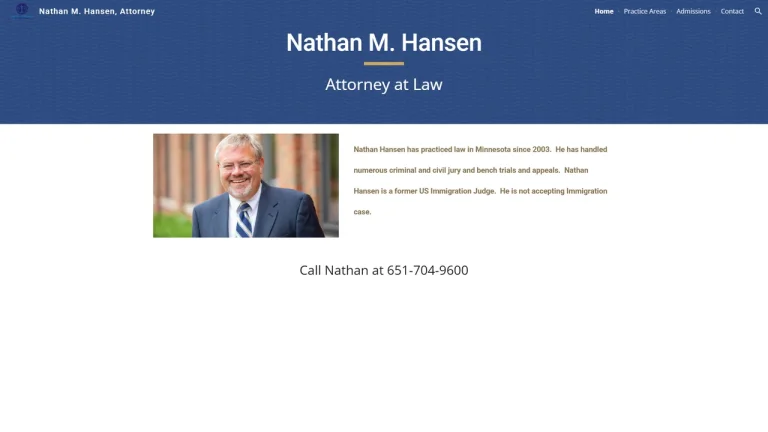
Nathan M. Hansen, Attorney at Law - North St Paul, MN

LifeBack Law Firm, P.A. - Minneapolis, MN
Strootman Law Office - Minneapolis, MN
Partners Tax Attorneys - Rochester, MN

Savage Westrick PLLP - Bloomington, MN

Friedman Murray, PLLC - Minneapolis, MN

Milavetz Injury Law, P.A. - St Paul, MN

Hoglund Law - Rochester, MN

Kemmitt, Sanford and Kramer - Minneapolis, MN

Hoglund Law - St Paul, MN

Hoglund Law - Minneapolis, MN

Christensen Sampsel PLLC - Minneapolis, MN

Andresen Law Offices, PLLC - Bloomington, MN
Reitan Law Office, PLLC - Minneapolis, MN
Justice North - Duluth, MN

Bankruptcy Jurisdictions and Asset Protection Across Minnesota
In Minnesota, personal and business bankruptcy proceedings are governed by the United States Bankruptcy Code under Title 11 of the federal statutes. When debt burdens become unmanageable due to medical emergencies, business downturns, or job loss, filing for bankruptcy provides individuals and businesses with an orderly financial fresh start. The bankruptcy process delivers immediate relief from aggressive collection agencies, pauses foreclosure sales, and discharges unsecured consumer debt.
All bankruptcy cases in Minnesota are adjudicated exclusively by the United States Bankruptcy Court for the District of Minnesota. The court maintains divisional facilities in Minneapolis, St. Paul, Duluth, and Fergus Falls, serving residents throughout Hennepin, Ramsey, Dakota, Anoka, Olmsted, and Stearns counties, as well as rural agricultural communities across Greater Minnesota. Appellate reviews from bankruptcy rulings proceed to the Eighth Circuit Bankruptcy Appellate Panel (BAP) or the United States District Court for the District of Minnesota.
Hiring a bankruptcy lawyer licensed by the Minnesota State Bar Association ensures that your assets are protected to the fullest extent of the law. Crucially, Minnesota is one of the states where debtors can choose between federal bankruptcy exemptions and Minnesota state statutory exemptions. Experienced counsel calculates the Chapter 7 Means Test, designs viable Chapter 13 reorganization plans, and defends your assets at the mandatory 341 Meeting of Creditors before the U.S. Trustee.
Minnesota Bankruptcy Legal Fee Structures
| Case Scenario | Fee Structure | Estimated Cost (USD) | Key Cost Determinants |
|---|---|---|---|
| Chapter 7 Individual Consumer Liquidation | Flat Fee | $1,200 - $2,600 | Means test complexity, asset exemption analysis, and business ownership history |
| Chapter 13 Debt Reorganization Plan | Court-Approved Fixed Fee | $3,500 - $4,500 (Financed in Plan) | Mortgage arrears cure, priority tax obligations, and plan duration |
| Subchapter V Small Business Bankruptcy | Hourly Rate ($350 - $650/hr) | $15,000 - $45,000+ | Secured creditor restructuring, cash collateral motions, and operating history |
| Adversary Proceeding Discharge Defense | Hourly Rate ($325 - $600/hr) | $4,000 - $18,000+ | Fraud allegation defense, deposition volume, and summary judgment motions |
Critical Legal Deadlines & Statutes in Minnesota
Filing for bankruptcy in Minnesota requires strict adherence to federal bankruptcy rules and strategic application of state exemption laws:
- Federal Automatic Stay Injunction: Under 11 U.S. Code § 362, the filing of a bankruptcy petition immediately halts all creditor collection actions, telephone harassment, vehicle repossessions, wage garnishments, and mortgage foreclosures.
- Chapter 7 Means Test Requirement: Under 11 U.S. Code § 707(b), a debtor's household income over the preceding six months is measured against Minnesota median income data to establish eligibility for a Chapter 7 liquidation.
- Debtor Choice of Statutory Exemptions: Under 11 U.S. Code § 522(b), Minnesota debtors have the right to elect either the federal bankruptcy exemptions under 11 U.S. Code § 522(d) or Minnesota state statutory exemptions.
- Minnesota Homestead Exemption: Under Minn. Stat. § 510.01 and Minn. Stat. § 510.02, debtors electing state exemptions can protect up to $510,000 in equity in their primary residence (or higher for agricultural land), indexed periodically for inflation.
- Minnesota Personal Property Protections: Under Minn. Stat. § 550.37, state exemptions protect essential personal items, including an automobile, household appliances, trade tools, and accrued wages.
- Chapter 13 Repayment Plan Duration: Under 11 U.S. Code § 1322, a Chapter 13 repayment plan lasts three years for below-median income debtors and up to five years for above-median debtors.
Conciliation Court Limits vs. Professional Bankruptcy Representation
In Minnesota, Conciliation Courts handle civil disputes with a monetary ceiling of $15,000 pursuant to Minn. Stat. § 491A.01 (or $4,000 for consumer credit matters). Creditors and debt collection agencies routinely utilize Conciliation Courts to obtain rapid money judgments against consumers, followed by immediate wage garnishments and frozen bank accounts.
However, state Conciliation Courts have no authority to discharge debt, alter repayment terms, or provide systemic debt relief. Bankruptcy is an exclusive federal judicial proceeding. Attempting to manage multiple creditor lawsuits across local Conciliation Courts is inefficient and leaves your wages, bank deposits, and personal property exposed to aggressive collection.
Filing for bankruptcy through licensed legal counsel provides comprehensive relief that Conciliation Courts cannot offer. The moment your bankruptcy petition is filed, the federal automatic stay under 11 U.S. Code § 362 strips state courts of jurisdiction to proceed with collection suits, eliminating the threat of garnishment and discharging qualifying debts permanently.
Red Flags When Hiring a Minnesota Bankruptcy Lawyer
- Non-Attorney Petition Preparers: Avoid document preparers who claim to file bankruptcy for low fees; they cannot provide legal advice, cannot represent you in court, and cannot attend the 341 Meeting of Creditors.
- Incompetent Exemption Analysis: Beware of attorneys who do not thoroughly compare Minnesota state exemptions under Minn. Stat. § 510.02 with federal exemptions under 11 U.S. Code § 522(d), potentially placing your home equity or tax refunds at risk.
- Guaranteed Chapter 7 Discharges: Reject lawyers who promise a Chapter 7 discharge without reviewing six months of paystubs and completing the formal Means Test under 11 U.S. Code § 707(b).
- Hidden Upfront Fees for Chapter 13: Be cautious of firms that demand substantial cash retainers upfront for Chapter 13, rather than utilizing court-approved attorney fee guidelines financed through the monthly repayment plan.
Frequently Asked Questions
What is the difference between Chapter 7 and Chapter 13 bankruptcy in Minnesota?
Chapter 7 liquidates non-exempt assets to eliminate unsecured debts like medical bills and credit cards in roughly four months. Chapter 13 creates a court-supervised three-to-five-year plan to repay mortgage arrears, priority taxes, and vehicle loans while protecting property.
Can I keep my home if I file for bankruptcy in Minnesota?
Yes, in most cases. Minnesota offers a generous state homestead exemption under Minn. Stat. § 510.02 protecting up to $510,000 in home equity, or you can cure mortgage arrears over time through a Chapter 13 plan.
Should I choose Minnesota state exemptions or federal exemptions?
Under 11 U.S. Code § 522(b), you can choose either set. Homeowners with substantial equity usually benefit from Minnesota state exemptions, while renters or individuals with significant cash savings often benefit from federal wildcard exemptions.
Will filing for bankruptcy stop wage garnishment in Minnesota?
Yes. The filing of a bankruptcy petition immediately triggers the automatic stay under 11 U.S. Code § 362, which legally halts all active wage garnishments, bank levies, and creditor lawsuits.
How are bankruptcy attorneys paid in Minnesota?
Chapter 7 attorney fees are typically charged as a flat fee paid prior to filing the petition. Chapter 13 legal fees are largely incorporated into and paid through the monthly court-supervised repayment plan.