
DUI/DWI Defense Lawyers in Minnesota
Retaining an experienced Minnesota DUI/DWI defense lawyer protects your driving privileges and defends your freedom against severe criminal penalties and fines. Dedicated counsel can challenge DataMaster DMT breath testing calibrations, contest traffic stops at contested omnibus hearings, and petition for license reinstatement. Explore our directory below to consult verified Minnesota DWI defense attorneys today.
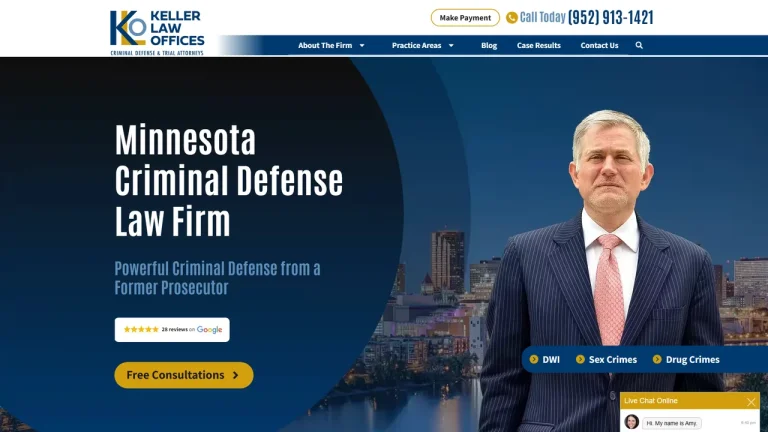
Keller Criminal Defense Attorneys - Minneapolis, MN

Fellman Law Office - St. Paul, MN
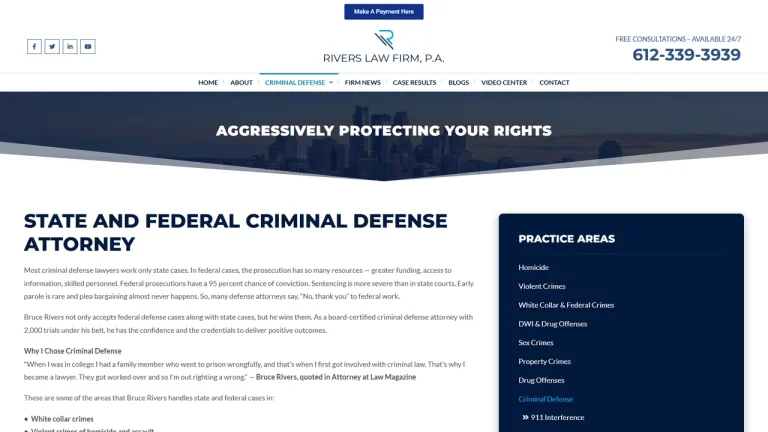
Rivers Law Firm - Minneapolis Criminal Defense Lawyer - Minneapolis, MN

Bird, Stevens & Borgen, P.C. - Rochester, MN

Envall Ron R - Duluth, MN

Andrew & Poole, P.A. - Duluth, MN
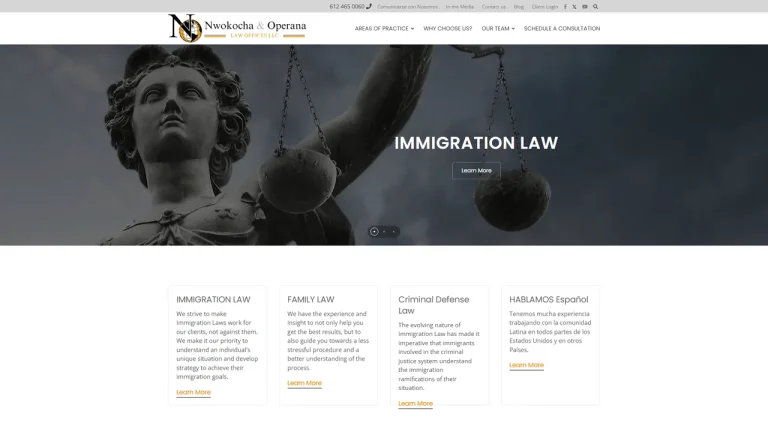
Nwokocha & Operana Law Offices - Minneapolis, MN

Segal Defense, PA - Bloomington, MN
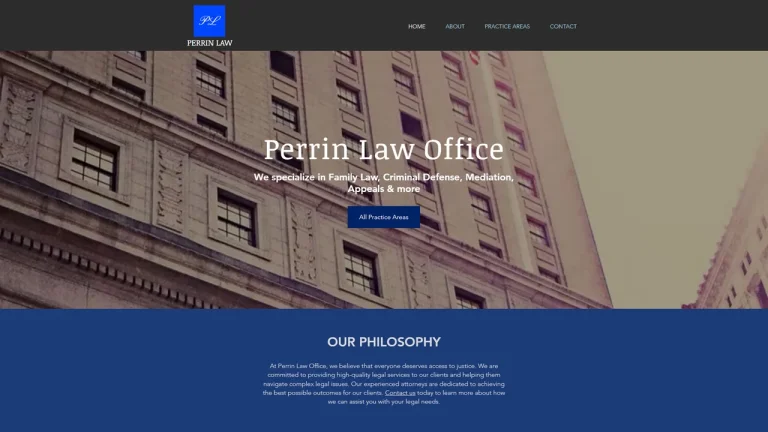
Perrin Law Office - Saint Paul, MN
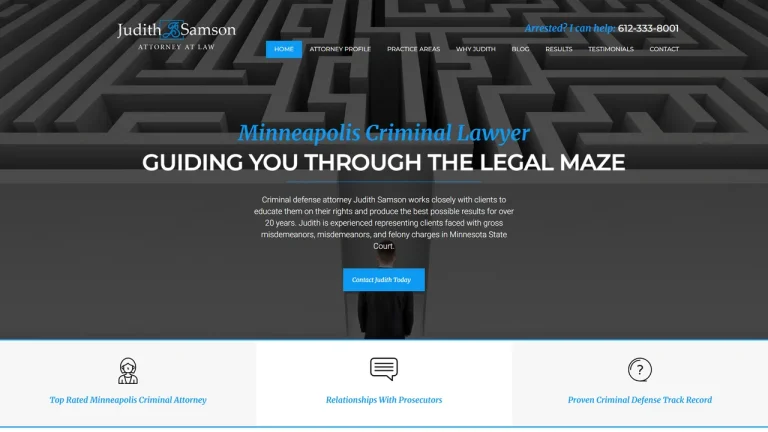
Judith Samson, Attorney at Law - Minneapolis, MN
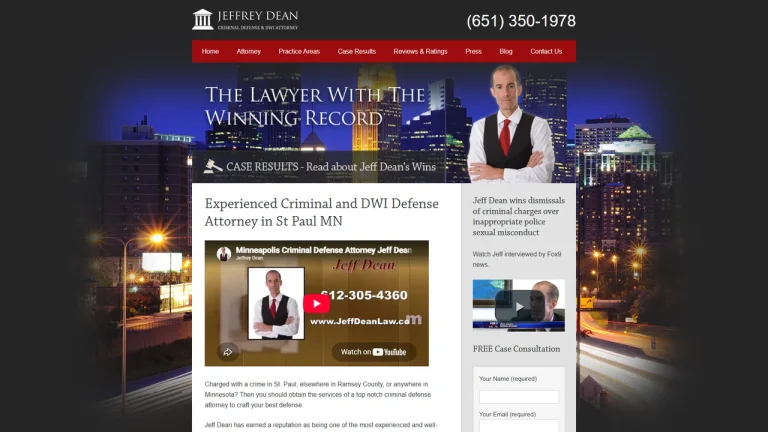
Jeffrey Dean Criminal Lawyer & DWI Attorney - St Paul, MN

Douglas V. Hazelton, Attorney at Law - Bloomington, MN

Murakami Law Firm, LLC - Rochester, MN
Flakne Law - Minneapolis, MN
Minnesota Legal Assistance - Minneapolis, MN

Capitol City Law Group - St Paul, MN
Carey Law Firm, LLC - Minneapolis, MN
Aberrant Law - Minneapolis, MN
Archambault Criminal Defense - Minneapolis, MN
Mark Herman, Attorney At Law - Minneapolis, MN

The Law Office of Jennifer Pradt - St. Paul, MN
Godwin Adkins - Rochester, MN
Wallace Law Firm PLLC - Duluth, MN
Navigating the Bifurcated Minnesota DWI Legal System
An arrest for driving while impaired in Minnesota initiates two distinct legal proceedings: a criminal prosecution in Minnesota District Court and an administrative civil license revocation process. Depending on where the traffic stop occurred, criminal charges are prosecuted in county tribunals such as the 4th Judicial District in Hennepin County, the 2nd Judicial District in Ramsey County, or the 1st Judicial District in Dakota County.
Simultaneously, the Minnesota Department of Public Safety (DPS) Driver and Vehicle Services (DVS) enforces administrative sanctions, including immediate driver license revocation, vehicle forfeiture, and mandatory whiskey plate impoundments. Minnesota categorizes DWI offenses into four statutory degrees based on aggravating factors such as prior impaired driving incidents within ten years, a blood alcohol concentration (BAC) of 0.16 or higher, or the presence of a child in the vehicle.
Attorneys admitted to the Minnesota State Bar Association provide vital representation across both forums. Dedicated defense counsel examines police dashcam recordings, audits calibration logs for DataMaster DMT breath testing instruments, and challenges the constitutional basis of vehicle stops to safeguard client driving records and liberty.
Minnesota DWI Defense Legal Fee Matrix
| Case Scenario | Fee Structure | Estimated Cost (USD) | Key Cost Determinants |
|---|---|---|---|
| Fourth-Degree Misdemeanor DWI (First Offense, BAC under 0.16) | Flat Fee | $1,500 - $3,500 | Clean driving record, standard field sobriety test audits, chemical test verification |
| Third or Second-Degree Gross Misdemeanor DWI | Flat / Retainer | $3,500 - $7,500 | BAC of 0.16 or higher, child passenger aggravating factor, chemical test refusal charges |
| First-Degree Felony DWI (Repeat Offense) | Hourly Retainer | $7,500 - $20,000+ | Prior felony convictions, mandatory prison exposure under sentencing guidelines, jury trial days |
| Implied Consent Judicial Review & Forfeiture Defense | Flat / Hourly | $1,500 - $4,000 | Strict 60-day petition deadline, DVS administrative records, vehicle value defense |
Critical Legal Deadlines & Statutes in Minnesota
Impaired driving offenses in Minnesota are governed by the Minnesota Impaired Driving Code under Minn. Stat. § 169A.20. Offenses are tiered by severity: Fourth-Degree DWI is classified as a misdemeanor under Minn. Stat. § 169A.27, Third-Degree DWI as a gross misdemeanor under Minn. Stat. § 169A.26, Second-Degree DWI as a gross misdemeanor carrying mandatory vehicle forfeiture risks under Minn. Stat. § 169A.25, and First-Degree DWI as a severe felony under Minn. Stat. § 169A.24 for individuals with three or more prior offenses within ten years.
The most urgent deadline following an arrest is the sixty-day administrative window. Under Minn. Stat. § 169A.53, an individual must file a formal petition for judicial review within exactly sixty days of receiving the notice and order of revocation to challenge the loss of driving privileges. Failing to file within this sixty-day deadline permanently waives the right to contest the civil license revocation. Similarly, if your vehicle was seized, an independent civil forfeiture challenge must be filed within sixty days pursuant to Minn. Stat. § 169A.63. Chemical test refusals carry independent gross misdemeanor penalties under Minn. Stat. § 169A.51.
Conciliation Court Limitations vs. District Court DWI Practice
Under Minn. Stat. § 491A.01, Minnesota Conciliation Courts (small claims) handle civil monetary controversies capped at $15,000. Conciliation courts possess zero jurisdiction over criminal prosecutions, driver license revocations, or state vehicle forfeitures.
All impaired driving charges must be resolved through Minnesota District Courts under the Minnesota Rules of Criminal Procedure. Proceeding pro se in a DWI case carries catastrophic consequences: self-represented motorists frequently miss the strict sixty-day implied consent filing deadline, resulting in mandatory ignition interlock requirements and commercial driver license revocations. Retaining an experienced Minnesota DWI lawyer ensures that suppression motions are filed at contested omnibus hearings and your rights are defended in both criminal court and civil administrative proceedings.
Red Flags to Avoid When Selecting Minnesota DWI Defense Counsel
- Attorneys who miss the strict 60-day deadline to file a civil petition for judicial review under Minn. Stat. § 169A.53.
- Lawyers who guarantee an outright dismissal without examining the DataMaster DMT calibration logs and arresting officer bodycam footage.
- Counsel who urge clients to enter an immediate guilty plea at arraignment without testing the legality of the initial traffic stop.
- Firms charging flat fees that fail to specify whether administrative implied consent hearings are included in the scope of representation.
Frequently Asked Questions
What is the 60-day deadline for challenging a Minnesota DWI license revocation?
Under Minnesota law, you have exactly 60 days from the date you receive notice of revocation to file a petition for judicial review in District Court, or your license revocation becomes permanent.
What are the four degrees of DWI in Minnesota?
Fourth-Degree is a misdemeanor with no aggravating factors; Third-Degree is a gross misdemeanor with one aggravating factor; Second-Degree is a gross misdemeanor with two factors; and First-Degree is a felony involving four offenses in ten years.
Can breath test results be challenged in Minnesota?
Yes. Attorneys routinely challenge DataMaster DMT breath tests by reviewing operator certification, instrument calibration logs, radio frequency interference, and required observation period protocols.
What happens if I refuse a chemical test in Minnesota?
Refusing to submit to a chemical breath test after being arrested for DWI is a separate crime charged as a gross misdemeanor, resulting in a longer driver license revocation period.