
Business & Real Estate Lawyers in Minneapolis
Find premier business and real estate lawyers in Minneapolis, MN. Retain skilled Hennepin County attorneys for commercial leasing, entity formation, and contracts. Experienced local legal counsel assists companies and property investors with regulatory compliance, transaction structuring, and dispute resolution to safeguard commercial assets. Explore our comprehensive directory below to schedule a consultation with top-rated Minneapolis business and real estate practitioners.

Dicke, Billig & Czaja, PLLC - Minneapolis, MN

Parker Daniels Kibort, LLC - Minneapolis, MN

LegalCORPS - Minneapolis, MN

Malkerson Gunn Martin LLP - Minneapolis, MN
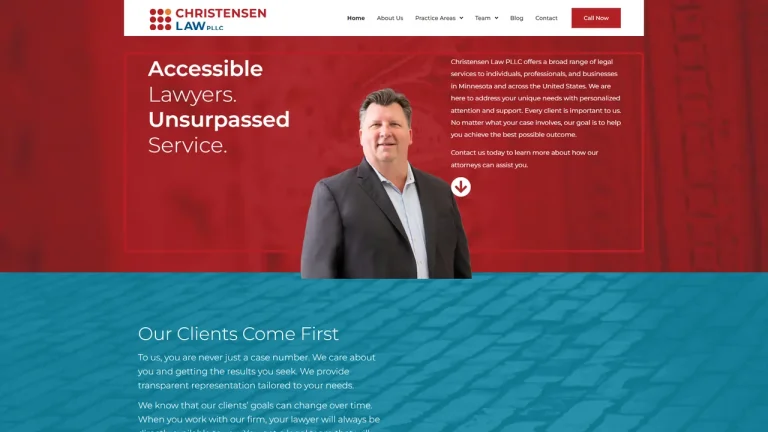
Christensen Sampsel PLLC - Minneapolis, MN

Dan Cooke, Attorney at Law - Minneapolis, MN

Patterson Thuente IP - Minneapolis, MN
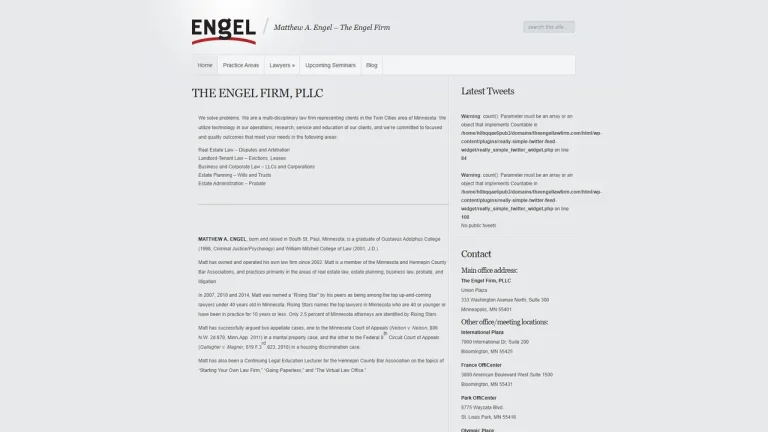
Engel Law Firm PLLC - Minneapolis, MN

Merchant & Gould - Minneapolis, MN

Birken Law Office PLLC - Minneapolis, MN

Fellowship Law Group, PLLC - Minneapolis, MN

Valentini Law, P.A. - Minneapolis, MN
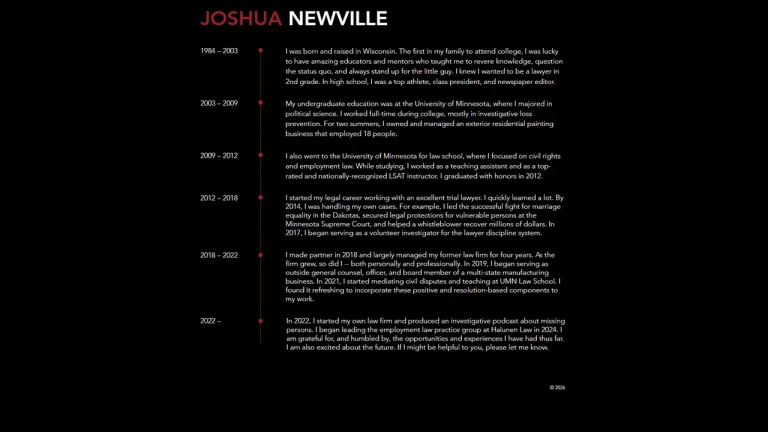
Newville PLC - Minneapolis, MN

Henson Efron - Minneapolis, MN

Ostrom Law Office - Minneapolis, MN

Zimmerman Reed LLP - Minneapolis, MN

Friedman Murray, PLLC - Minneapolis, MN

Lommen Abdo Law Firm - Minneapolis, MN

Joseph A. Larson Law Firm PLLC - Minneapolis, MN

Meyer, Njus, Tanick, Linder and Robbins, PA - Minneapolis, MN
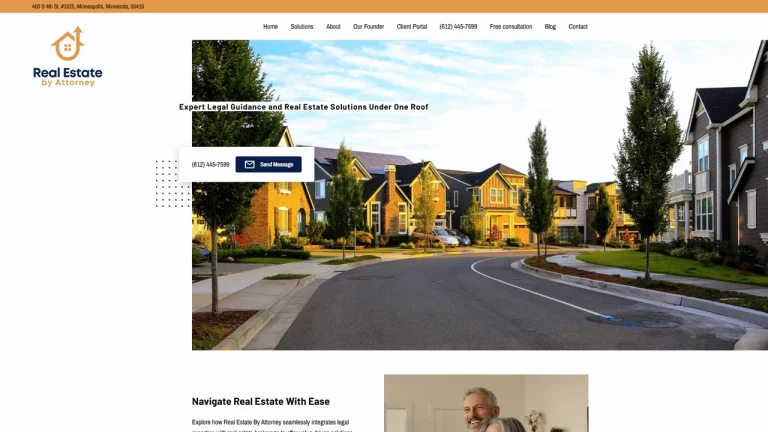
Real Estate by Attorney - Minneapolis, MN

Engel Professional Association - Minneapolis, MN

Littler Mendelson P.C. - Minneapolis, MN

Commercial Law & Real Estate Jurisdiction in Minneapolis
Commercial transactions and real property disputes in Minneapolis fall under the jurisdiction of the Fourth Judicial District Court of Minnesota, centered at the Hennepin County Government Center in Downtown Minneapolis. From commercial developments along the North Loop and Downtown core to business corridors on Lake Street and University Avenue, local enterprises operate within rigorous statutory frameworks.
Minnesota corporate governance requires adherence to uniform business entity statutes, while real property transfers require precise recording with the Hennepin County Recorder and Registrar of Titles. Real estate in Minneapolis involves both Abstract and Torrens title systems, demanding technical legal precision during purchase negotiations, lease drafting, and title examinations.
Retaining seasoned Minneapolis business and real estate counsel protects commercial investments from inception through complex commercial litigation. Experienced attorneys ensure contracts comply with state law, mitigate liability exposure, and resolve partner disputes efficiently through negotiated settlements or district court proceedings.
Legal Fee Structures for Minneapolis Business & Real Estate Services
| Case Scenario | Fee Structure | Estimated Cost (USD) | Key Cost Determinants |
|---|---|---|---|
| Entity Formation (LLC / Corporation) | Flat Fee | $1,000 - $2,500 | Single vs. multi-member structuring, customized member control agreements, bylaws, and Minnesota Secretary of State filing fees. |
| Commercial Lease Review & Negotiation | Flat Fee or Hourly ($275 - $475/hr) | $1,500 - $4,500 | Lease square footage, triple net (NNN) terms, tenant improvement provisions, assignment covenants, and personal guarantee negotiations. |
| Commercial Property Acquisition & Closing | Hourly or Project-Based ($300 - $550/hr) | $3,500 - $12,000+ | Title examination, Torrens proceedings, zoning verifications, Phase I environmental review, and loan document analysis. |
| Breach of Contract & Commercial Litigation | Hourly Retainer ($325 - $600/hr) | $10,000 - $40,000+ | Discovery complexity, electronic discovery demands, summary judgment motions, and trial duration in Hennepin County District Court. |
Critical Legal Deadlines & Statutes in Minnesota
Minneapolis commercial entities and property owners must navigate strict statutory deadlines. Under Minn. Stat. § 541.05, the statute of limitations for bringing a claim for breach of a written contract is six years. Contracts involving the sale or transfer of real estate or commercial leases exceeding one year must satisfy the Minnesota Statute of Frauds under Minn. Stat. § 513.05, requiring written execution by the party being bound.
Contractors and real estate developers face strict mechanic lien requirements. A mechanic lien statement must be served on the owner and filed with the Hennepin County Recorder within 120 days of completing the final work under Minn. Stat. § 514.08, and any foreclosure action must commence within one year under Minn. Stat. § 514.12. Minnesota limited liability companies are regulated by the Minnesota Revised Uniform Limited Liability Company Act under Minn. Stat. § 322C.0101, while real estate documents must strictly comply with recording standards codified in Minn. Stat. § 507.093.
Conciliation Court Thresholds vs. Commercial Counsel
The Hennepin County Conciliation Court resolves smaller business debts and monetary disputes up to a jurisdictional limit of $15,000 under Minn. Stat. § 491A.01. Small commercial claims, unpaid invoices, or minor security deposit disputes can be resolved through streamlined informal proceedings without formal pre-trial discovery.
However, Conciliation Court lacks jurisdiction over actions seeking injunctive relief, specific performance of real estate contracts, mechanic lien foreclosures, or title determination actions. Furthermore, when commercial matters exceed $15,000 or require litigation in the Fourth Judicial District Court, Minnesota procedural rules generally require registered business entities (such as corporations and LLCs) to be represented by a licensed attorney rather than an individual officer.
Red Flags When Selecting Commercial & Real Estate Counsel
- Attorneys relying on generic internet contract templates that fail to address specific Minnesota statutory protections or local municipal codes.
- Counsel lacking familiarity with Hennepin County Torrens registration procedures, title examiner directives, and local recording standards.
- Failure to identify and disclose conflicts of interest when multiple founding partners or investors form a joint enterprise.
- Unclear billing arrangements that omit detailed tracking of legal research, title examination disbursements, and drafting revisions.
Frequently Asked Questions
What is the difference between Abstract and Torrens property in Hennepin County?
In Hennepin County, property is recorded under either the Abstract system or the Torrens system. Abstract property relies on historical record searches to establish title integrity, while Torrens property involves a court-registered title certificate issued through the Hennepin County Examiner of Titles under Minn. Stat. § 508.01, providing conclusive state-backed evidence of ownership.
What is the statute of limitations for commercial contract disputes in Minnesota?
Under Minn. Stat. § 541.05, claimants have six years from the date of the breach to file a lawsuit on a written commercial contract. Claims governed by the Uniform Commercial Code for sales of goods must be brought within four years under Minn. Stat. § 336.2-725.
Can a corporation or LLC represent itself in Hennepin County District Court?
No. While an individual business owner or non-attorney officer may appear on behalf of an entity in Hennepin County Conciliation Court under statutory exceptions, Minnesota court rules require corporations and LLCs to be represented by licensed legal counsel in the Fourth Judicial District Court.
What are the strict deadlines for filing a mechanic lien in Minneapolis?
Under Minn. Stat. § 514.08, a mechanic lien statement must be recorded with the Hennepin County Recorder or Registrar of Titles and served on the property owner within 120 days after the last contribution of labor or material. A foreclosure lawsuit must be commenced within one year of that final work date pursuant to Minn. Stat. § 514.12.
What is required to form a valid commercial lease in Minnesota?
Commercial leases extending for more than one year must be in writing and signed by the party to be charged in accordance with Minn. Stat. § 513.05. Enforceable agreements clearly define leased premises, term lengths, base rent, operating expense pass-throughs, default covenants, and repair allocations.