
Trusts Lawyers in New Hampshire
Retaining an experienced New Hampshire trusts lawyer ensures your estate is protected under one of the nation's most progressive and favorable trust codes. Dedicated legal counsel navigates asset protection, dynasty trust provisions, and decanting strategies to preserve multi-generational wealth. Explore our verified statewide directory below to connect with premier trust attorneys across New Hampshire.
McDonald & Kanyuk, PLLC - Concord, NH

Orr & Reno - Concord, NH
Hermann Law, PLLC - Manchester, NH

Shaheen & Gordon, P.A. - Concord, NH

Upton & Hatfield, LLP - Concord, NH
Shea Karen M - Manchester, NH

Olcott & Associates, P.C. - Concord, NH
Law Office of Debra Owen Stanley - Concord, NH

Devine Millimet | Attorneys at Law - Manchester, NH
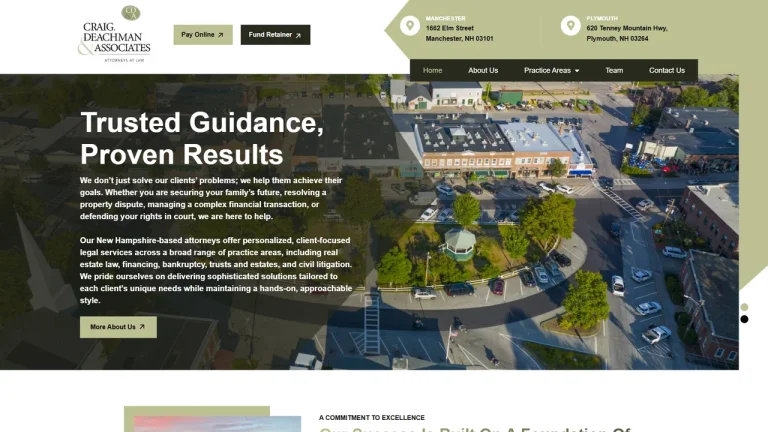
Craig, Deachman & Associates PLLC - Manchester, NH

Ransmeier & Spellman P.C. - Concord, NH

Craighead & Martin, PLLC - Manchester, NH

Sheehan Phinney Bass & Green, PA - Manchester, NH

Sheehan Phinney Bass & Green PA - Concord, NH

Shaheen & Gordon, P.A. - Manchester, NH
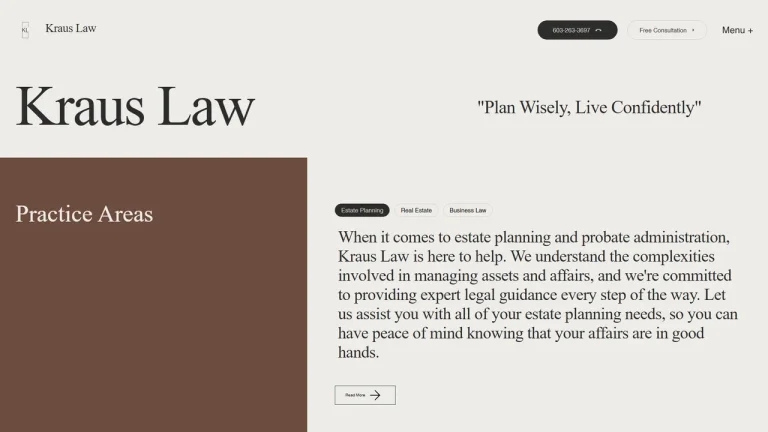
Kraus Law - Concord, NH

Sommers Law, PLLC - Concord, NH

Preti Flaherty Beliveau & Pachios LLP - Concord, NH
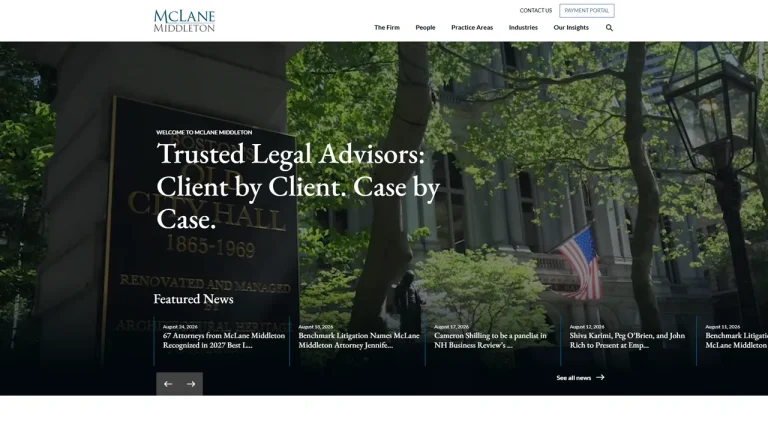
McLane Middleton, Professional Association - Concord, NH

Perennial Estate Planning - Manchester, NH
Associated Attorneys of New England - Manchester, NH

American Wealth Protection - Manchester, NH
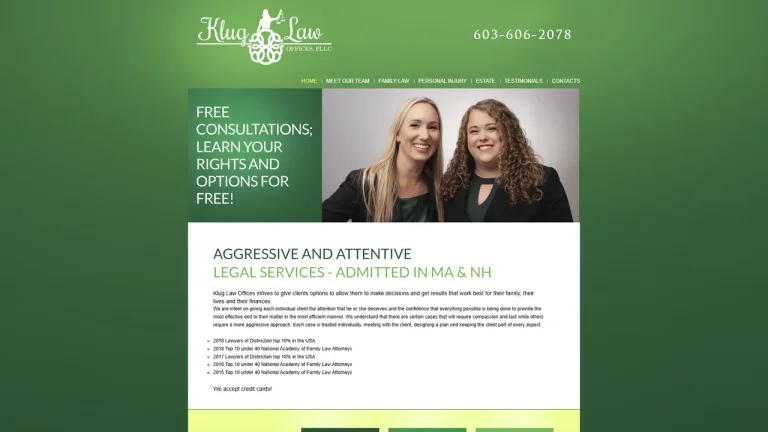
Klug Law Offices, PLLC - Manchester, NH
Premier Trust Jurisdictions and Fiduciary Law in New Hampshire
New Hampshire is widely recognized as one of the country's most advantageous jurisdictions for trust creation and fiduciary wealth administration. Through the enactment of the comprehensive New Hampshire Trust Code, modern asset protection statutes, and the elimination of state income taxes on wage distributions, the state offers unparalleled legal flexibility for families, business owners, and corporate fiduciaries across Manchester, Nashua, Concord, Portsmouth, and Hanover.
Trust disputes and administrative petitions are heard within the New Hampshire Circuit Court Probate Division, which maintains specialized equity jurisdiction over fiduciary administration under N.H. Rev. Stat. Ann. § 490-F:3. Attorneys handling trusts must maintain active licensure with the New Hampshire Bar Association, operating under procedural and ethical rules enforced by the New Hampshire Supreme Court in Concord. Counsel routinely manages directed trusts, private family trust companies, and nonjudicial settlement agreements.
Retaining local legal counsel ensures that estate plans leverage New Hampshire's progressive trust environment. An attorney drafts Revocable Living Trusts, Qualified Disposition Asset Protection Trusts, and Perpetual Dynasty Trusts, structuring fiduciary powers to protect assets from future creditors and eliminate unnecessary probate court administration.
New Hampshire Trust Administration Fees and Case Scenarios
| Case Scenario | Fee Structure | Estimated Cost (USD) | Key Cost Determinants |
|---|---|---|---|
| Revocable Living Trust Portfolio (Couples) | Standard Flat Fee | $1,800 - $4,000 | Deed transfers, pour-over wills, incapacity directives, and funding schedule oversight. |
| Qualified Disposition Asset Protection Trust | Flat Fee or Retainer | $4,500 - $10,000 | Statutory solvency affidavits, qualified trustee appointment under RSA 564-D, and asset transfers. |
| Perpetual Dynasty Trust & Wealth Succession | Comprehensive Retainer | $6,000 - $15,000+ | Directed trust advisor roles, closely-held business equity, and multi-generational tax modeling. |
| Trust Decanting & Nonjudicial Settlement (NJSA) | Retainer plus Hourly ($300 - $550/hr) | $3,500 - $12,000+ | Beneficiary consent acquisition, administrative terms modification, and court filing if contested. |
Critical Deadlines and New Hampshire Trust Statutes
Trust administration in New Hampshire is governed by the New Hampshire Trust Code codified at N.H. Rev. Stat. Ann. § 564-B:1-101. Under the Qualified Dispositions in Trust Act, set forth in N.H. Rev. Stat. Ann. § 564-D:1, individuals can establish irrevocable self-settled asset protection trusts. Under N.H. Rev. Stat. Ann. § 564-D:10, existing creditors must challenge a transfer to an asset protection trust within four years after the transfer was made, or within one year after the creditor discovered or reasonably could have discovered the transfer, after which all claims are statutorily barred.
New Hampshire has abolished the common law Rule Against Perpetuities for personal property held in trust, permitting perpetual dynasty trusts that can endure indefinitely pursuant to N.H. Rev. Stat. Ann. § 564-B:5-508 and N.H. Rev. Stat. Ann. § 564-B:1-105. Trustees possessing discretionary distribution authority can decant trust assets into a new trust instrument under N.H. Rev. Stat. Ann. § 564-B:4-418 to modify administrative terms or optimize asset protection without court approval. Furthermore, interested fiduciaries and beneficiaries can enter into binding Nonjudicial Settlement Agreements under N.H. Rev. Stat. Ann. § 564-B:1-111 to resolve trust administration matters. If a party wishes to challenge the validity of a revocable trust following the settlor's death, they must initiate a judicial action within one year of death or within 90 days after receiving statutory notice from the trustee under N.H. Rev. Stat. Ann. § 564-B:6-604.
Small Claims Limitations vs. Probate Division Trust Representation
While the District Division of the New Hampshire Circuit Court exercises jurisdiction over small claims up to $10,000 under N.H. Rev. Stat. Ann. § 503:1 with mandatory mediation for claims over $5,000, trust creation, decanting, and fiduciary accounting belong exclusively to the Circuit Court Probate Division under N.H. Rev. Stat. Ann. § 490-F:3.
Attempting to draft or administer a trust using generic online forms creates severe financial liabilities. A primary flaw with self-created trusts is the failure to properly fund the trust with real estate deeds and financial assets, leaving property exposed to formal probate administration. Additionally, establishing an asset protection trust under RSA 564-D requires strict execution of a statutory solvency affidavit and the appointment of a qualified New Hampshire trustee. An experienced trusts lawyer ensures that documents comply with the New Hampshire Trust Code, shields assets from future liabilities, and maintains complete administrative enforceability.
Red Flags When Hiring a New Hampshire Trusts Lawyer
- Attorneys attempting to draft asset protection trusts without executing the mandatory statutory solvency affidavit required by the New Hampshire Qualified Dispositions in Trust Act.
- Law firms providing standardized trust documents that fail to utilize New Hampshire's progressive decanting and perpetual dynasty trust provisions.
- Practitioners who prepare revocable trusts but fail to assist clients with transferring real property deeds or updating financial account ownership.
- Out-of-state entities selling one-size-fits-all trust templates without a licensed New Hampshire attorney reviewing state-specific fiduciary and tax laws.
Frequently Asked Questions
Why is New Hampshire considered a premier trust jurisdiction?
New Hampshire offers progressive trust laws, including perpetual dynasty trusts, modern decanting statutes, robust domestic asset protection trusts, directed trust structures, and the absence of state fiduciary income taxes on accumulated trust income.
How does trust decanting work under the New Hampshire Trust Code?
Under New Hampshire statute, an authorized trustee with discretionary authority to distribute principal can pour over assets from an existing trust into a new trust with modified administrative terms or modernized provisions without requiring court approval.
What is the statutory deadline to contest a revocable trust in New Hampshire?
Under New Hampshire law, a person must commence a judicial proceeding to contest the validity of a revocable trust within one year after the settlor's death, or within 90 days after receiving statutory written notice from the trustee.
How long can a dynasty trust last in New Hampshire?
New Hampshire has effectively abolished the Rule Against Perpetuities for personal property held in trust, allowing dynasty trusts to continue perpetually without statutory expiration.
What is a Nonjudicial Settlement Agreement (NJSA) in New Hampshire?
An NJSA is a binding legal agreement permitted under the New Hampshire Trust Code that allows trustees and beneficiaries to resolve trust administration matters, clarify ambiguities, or approve accountings without court intervention.