
Harassment Lawyers in Oklahoma
Partnering with an experienced Oklahoma harassment lawyer provides vital protection against hostile workplace environments and unlawful discriminatory conduct. Dedicated attorneys help workers document abuse, navigate internal reporting mandates, and resolve disputes without prolonged courtroom trauma. Search our verified directory below to connect with a reputable Oklahoma workplace harassment attorney today.

Center for Employment Law - Oklahoma City, OK

Gilpin Law Office - Tulsa, OK
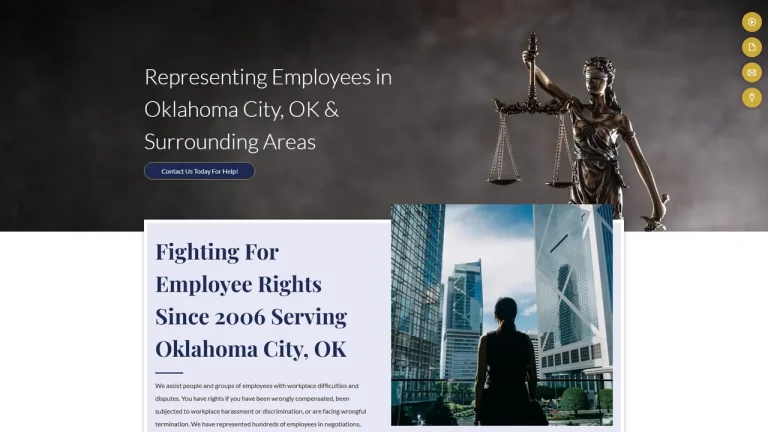
Patricia A. Podolec, Attorney at Law Oklahoma City, OK
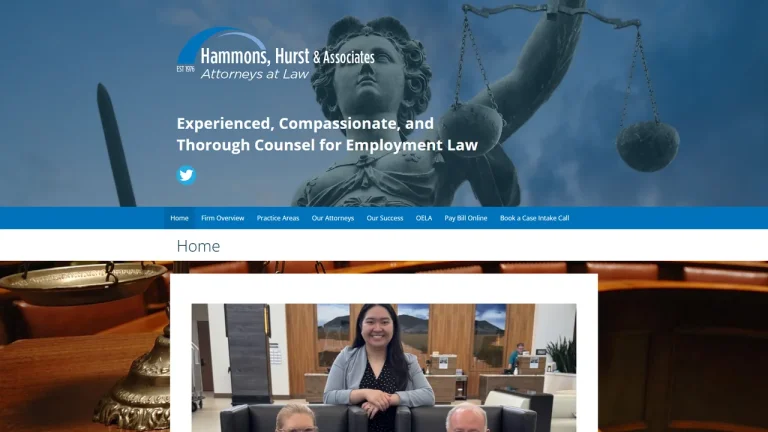
Hammons, Hurst & Associates - Oklahoma City, OK
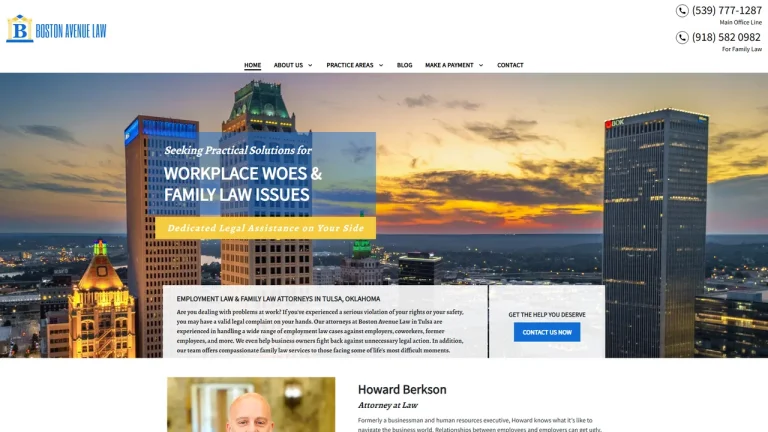
Boston Avenue Law PLLC - Tulsa, OK
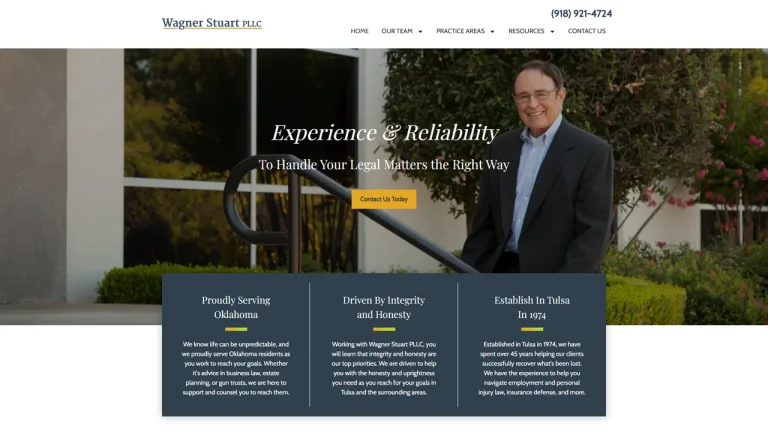
Wagner Stuart PLLC - Tulsa, OK
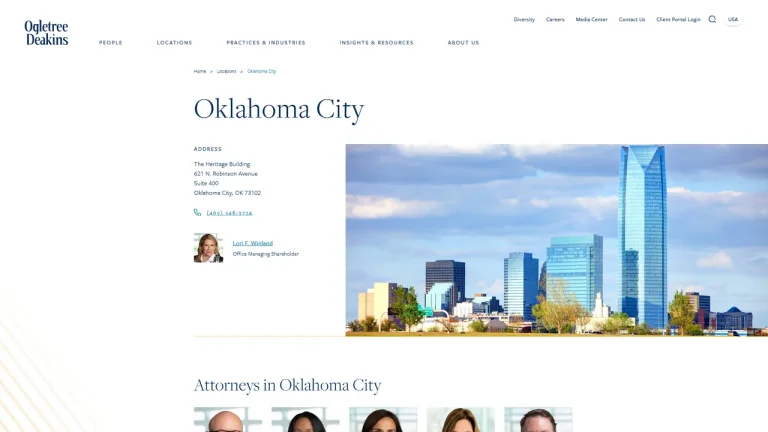
Ogletree Deakins, Oklahoma City, OK

Jeff Taylor PC - Oklahoma City, OK
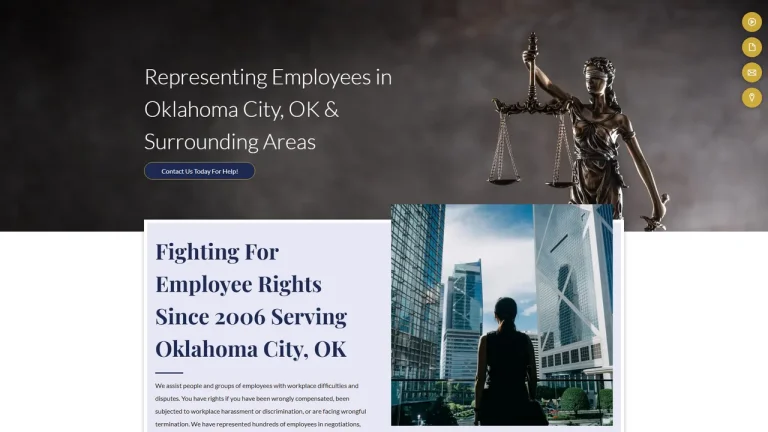
Patricia A. Podolec - Oklahoma City, OK

Eddy Law Firm - Oklahoma City, OK
Hostile Work Environments and Harassment Laws in Oklahoma
No worker should be subjected to severe, pervasive hostility or predatory conduct while trying to earn a living. Across Oklahoma's industrial facilities, corporate offices, medical facilities, and retail hubs in Oklahoma City, Tulsa, Norman, Broken Arrow, and Lawton, state and federal laws protect individuals from unlawful workplace harassment. When inappropriate behavior creates an abusive work environment or alters the terms of employment, victims possess clear legal recourse.
Workplace harassment claims operate under statutory civil rights frameworks. In Oklahoma, unlawful harassment claims are processed through the Office of Civil Rights Enforcement (OCRE) within the Oklahoma Attorney General's Office, or through the federal Equal Employment Opportunity Commission (EEOC). These agencies evaluate whether an employer knew or should have known about discriminatory harassment and failed to take prompt, effective remedial measures.
Litigating harassment disputes requires admission before the Supreme Court of Oklahoma or federal trial courts. State court actions proceed through Oklahoma District Courts, while federal actions are heard in the U.S. District Courts for the Western, Northern, or Eastern Districts of Oklahoma. Engaging a skilled Oklahoma harassment attorney ensures critical electronic communications are preserved, internal employer complaint channels are utilized correctly, and legal claims are aggressively pursued.
Oklahoma Harassment Legal Scenarios and Representation Structures
| Case Scenario | Fee Structure | Estimated Cost (USD) | Key Cost Determinants |
|---|---|---|---|
| Quid Pro Quo Sexual Harassment | Contingency Fee (33.3% - 40%) | $0 Upfront / % of Recovery | Supervisory authority proof, tangible employment actions, saved text or email communications |
| Hostile Work Environment (Racial / Gender) | Contingency Fee (33.3% - 40%) | $0 Upfront / % of Recovery | Pervasiveness and frequency of conduct, internal HR reports, employer remedial failure evidence |
| Constructive Discharge After Unaddressed Harassment | Contingency Fee (33.3% - 40%) | $0 Upfront / % of Recovery | Documentation showing intolerable work conditions, timeline of resignation, total wage loss calculations |
| Emergency Protective Orders for Workplace Stalking | Flat / Hourly Fee | $1,500 - $4,500 | Emergency ex parte court appearances, police incident reports, threat evaluation hearings |
Critical Legal Deadlines & Statutes in Oklahoma Harassment Claims
Workplace harassment based on sex, race, religion, color, national origin, age, or disability is prohibited under the Oklahoma Anti-Discrimination Act pursuant to 25 Okla. Stat. § 1302. At the federal level, sexual and discriminatory harassment is codified under Title VII of the Civil Rights Act of 1964 pursuant to 42 U.S. Code § 2000e-2.
Strict administrative deadlines govern harassment claims in Oklahoma. To preserve state claims under 25 Okla. Stat. § 1350, a formal charge must be filed with the OCRE within 180 days of the most recent harassing conduct. To preserve federal remedies under 42 U.S. Code § 2000e-5, an EEOC charge must be filed within 300 days. Under the continuing violation doctrine, earlier incidents that contributed to a hostile work environment may be considered if at least one act occurred within the statutory filing window.
Following the issuance of a Notice of Right to Sue, an employee has exactly 90 days to initiate a lawsuit in Oklahoma District Court or federal court. In situations involving physical stalking, continuous threats, or violence, victims may seek immediate emergency relief under the Protection from Domestic Abuse Act codified at 22 Okla. Stat. § 60.1 and 22 Okla. Stat. § 60.2, which allows Oklahoma District Courts to issue civil protective orders against harassers.
Small Claims Limitations vs. District Court Representation in Oklahoma
The Small Claims Division of Oklahoma District Courts possesses jurisdiction strictly over civil controversies not exceeding $10,000 under 12 Okla. Stat. § 1751. Small claims courts have zero legal authority to order workplace policy changes, issue injunctions, or adjudicate complex statutory claims under the Oklahoma Anti-Discrimination Act or Title VII.
Harassment claims involve complex affirmative defenses. Employers frequently invoke the Ellerth/Faragher defense, arguing they maintained anti-harassment policies that the employee failed to utilize. An experienced Oklahoma harassment attorney understands how to defeat these procedural defenses, prove employer negligence, and demand full damages. Because reputable employment lawyers operate on a contingency fee model, workers secure aggressive legal representation without paying out-of-pocket hourly rates.
Red Flags & Consumer Protection in Oklahoma Harassment Representation
- Attorneys who advise deleting text messages, voicemails, or social media communications, destroying critical evidence required to prove your claim.
- Practitioners who fail to verify whether internal HR reporting policies were followed, potentially exposing the claim to employer affirmative defenses.
- Lawyers demanding upfront retainers to evaluate hostile work environment claims that standard employment firms review on contingency.
- Law firms lacking experience litigating Title VII cases in the Western, Northern, or Eastern Federal District Courts of Oklahoma.
Frequently Asked Questions
What qualifies as a hostile work environment in Oklahoma?
To constitute an unlawful hostile work environment, the conduct must be severe or pervasive enough to alter the conditions of employment and create an abusive working atmosphere. The conduct must be linked to a protected characteristic such as sex, race, religion, disability, or age, rather than general workplace incivility.
What is quid pro quo sexual harassment under Oklahoma law?
Quid pro quo harassment occurs when an employment benefit, such as a promotion, raise, or continued employment, is conditioned upon submission to unwelcome sexual advances, or when rejection of such advances results in negative employment consequences such as demotion or termination.
Can an Oklahoma employer be held liable for customer or vendor harassment?
Yes, employers can be held liable for harassment perpetrated by non-employees, including customers, vendors, or independent contractors. If management knew or should have known of the harassing behavior and failed to take immediate and appropriate corrective action, the employer is legally responsible.
Do I need to report harassment internally before hiring an attorney?
While consulting an attorney early is critical, utilizing your employer's designated reporting procedures is often essential. Reporting the harassment puts the employer on formal legal notice and prevents them from arguing they were unaware of the problem, while your lawyer ensures your reports are properly documented.
What is constructive discharge in an Oklahoma harassment case?
Constructive discharge occurs when an employer creates or knowingly permits working conditions so intolerable that a reasonable person in the employee's position would feel compelled to resign. In legal terms, the resignation is treated as an involuntary wrongful termination.