
Wills Lawyers in Harrisburg
Executing a legally sound will in Harrisburg ensures your family assets are protected and distributed according to your wishes under Pennsylvania probate law. An experienced Harrisburg wills lawyer drafts customized testamentary documents, designates trusted guardians, and minimizes Pennsylvania inheritance taxes. Review our verified directory below to consult a trusted local estate planning attorney.

Etzweiler & Associates - Harrisburg, PA

Goldberg Katzman, P.C. - Harrisburg, PA

Nudel Stephen C - Harrisburg, PA

McCarthy Tax Law, P.C. - Harrisburg, PA

McNees Wallace & Nurick LLC - Harrisburg, PA
SkarlatosZonarich LLC - Harrisburg, PA

Serratelli, Schiffman & Brown, P.C. - Harrisburg, PA

Eckert Seamans - Harrisburg, PA

Hazen Law Group - Harrisburg, PA
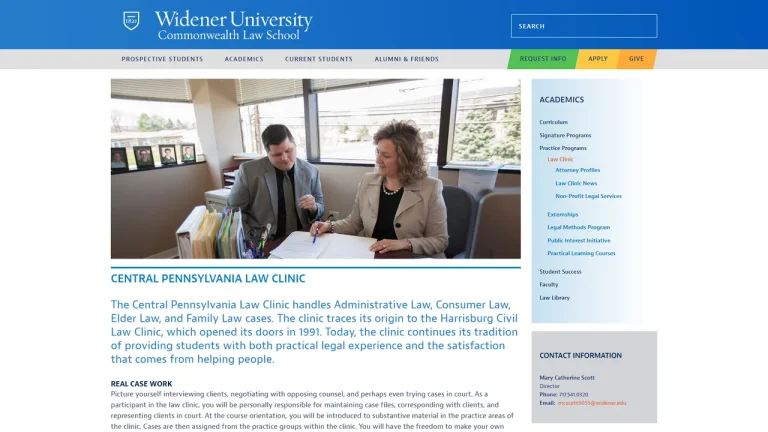
Central Pennsylvania Law Clinic - Harrisburg, PA

Scaringi Law - Harrisburg, PA

Silliker & Reinhold Law Office - Harrisburg, PA

Caldwell & Kearns, P.C. - Harrisburg, PA

Cooper Levenson, P.A. - Harrisburg, PA

Miller Dixon Drake, PC

Lavery Law - Harrisburg, PA

Abom & Kutulakis, LLC - Harrisburg, PA

Nauman, Smith, Shissler & Hall, LLP - Harrisburg, PA
Offit Kurman - Harrisburg, PA
Kerwin & Kerwin - Harrisburg, PA
Rish Law Office, LLC - Harrisburg, PA

Tilman P. Larson, Attorney at Law - Harrisburg, PA

Compass Legal Group, P.C. - Harrisburg, PA

Wills & Estate Practice in Harrisburg, Pennsylvania
Drafting a legally enforceable last will and testament is the cornerstone of estate planning for individuals and families across Harrisburg, Lower Paxton, Susquehanna Township, Hershey, and surrounding Dauphin County communities. A tailored will designates executors, establishes guardians for minor children, creates testamentary trusts, and prevents family wealth from passing through Pennsylvania's rigid statutory intestacy laws.
Upon a testator's death, the will must be admitted to probate before the Dauphin County Register of Wills, situated in the Dauphin County Courthouse on Market Street in Downtown Harrisburg. The Register of Wills issues Letters Testamentary authorizing the personal representative to gather assets, settle valid creditor debts, and file the Pennsylvania Inheritance Tax return. If will validity is contested or fiduciary misconduct is alleged, exclusive jurisdiction rests with the Orphans' Court Division of the Dauphin County Court of Common Pleas within Pennsylvania's 12th Judicial District.
Working with an established Harrisburg wills lawyer ensures your testamentary documents satisfy Pennsylvania execution formalities, incorporate self-proving affidavits, and implement tax-mitigation strategies to preserve your family legacy.
Wills & Testamentary Planning Costs in Harrisburg
| Case Scenario | Fee Structure | Estimated Cost (USD) | Key Cost Determinants |
|---|---|---|---|
| Individual Last Will and Testament | Flat Legal Fee | $450 - $1,100 | Specific bequests, executor designation, tangible property disposition, and self-proving affidavit execution. |
| Comprehensive Couple Estate Package (Wills, POAs, Living Wills) | Flat Legal Fee | $950 - $2,400 | Reciprocal wills, minor children guardian nominations, statutory financial POAs, and healthcare proxies. |
| Will with Testamentary Minor's Trust | Flat / Hourly | $1,500 - $3,500 | Trustee succession, staggered distribution age benchmarks, and special education trust terms. |
| Probate Will Contest / Caveat Filing | Retainer + Hourly ($275 - $450/hr) | $7,500 - $25,000+ | Undue influence claims, lack of testamentary capacity challenges, medical records review, and Orphans' Court trial. |
Critical Legal Deadlines & Statutes in Pennsylvania
Wills and probate matters in Pennsylvania are governed by the Probate, Estates and Fiduciaries Code under 20 Pa. C.S. § 101. Under 20 Pa. C.S. § 2501, any person 18 or older of sound mind may make a will. Pursuant to 20 Pa. C.S. § 2502, every valid Pennsylvania will must be in writing and signed by the testator at the end. Self-proving affidavits executed before a notary public are authorized under 20 Pa. C.S. § 3132.1.
Under 72 P.S. § 9142, the Pennsylvania Inheritance Tax return (Form REV-1500) and payment are due nine months from the decedent's date of death. Crucially, under 72 P.S. § 9142(a), a five percent prompt-payment discount is applied to all tax payments remitted to the Register of Wills within three months of death. Inheritance tax rates are set under 72 P.S. § 9116 at 0 percent for spouses, 4.5 percent for lineal descendants, 12 percent for siblings, and 15 percent for collateral heirs.
If challenging a will admitted to probate, an interested party must appeal to the Orphans' Court within one year under 20 Pa. C.S. § 908. Surviving spouses have the right to claim a statutory elective share of one-third against the estate under 20 Pa. C.S. § 2203, which must be filed within six months under 20 Pa. C.S. § 2210.
Magisterial District Court Limits vs. Representation in Harrisburg
Dauphin County Magisterial District Courts possess small claims jurisdiction capped at $12,000 under 42 Pa. C.S. § 1515. Magisterial District Judges have no legal authority to probate wills, appoint executors, supervise testamentary trusts, or interpret estate documents. Under 20 Pa. C.S. § 711, exclusive jurisdiction over testamentary documents and decedents' estates is vested in the Register of Wills and the Orphans' Court Division of the Court of Common Pleas.
Relying on generic online will templates or holographic handwritten notes creates profound legal risks. In Pennsylvania, failing to sign strictly at the logical physical end of the document under 20 Pa. C.S. § 2502 can lead to complete invalidation of the will. Furthermore, poorly drafted wills frequently overlook Pennsylvania's distinct inheritance tax brackets, leaving heirs to pay higher taxes or prompting contentious litigation in the Dauphin County Courthouse.
Red Flags When Selecting a Harrisburg Wills Lawyer
- Promoting automated online form questionnaires without attorney consultation or customized advice for Dauphin County probate practices.
- Failing to draft a self-proving affidavit under 20 Pa. C.S. § 3132.1, requiring witnesses to physically appear before the Register of Wills to verify execution.
- Quoting vague fees that omit ancillary essential documents like financial powers of attorney and advance healthcare directives.
- Lack of familiarity with Pennsylvania's prompt inheritance tax payment discount rules under 72 P.S. § 9142(a).
Frequently Asked Questions
What are the legal requirements for a valid will in Pennsylvania?
Under 20 Pa. C.S. § 2502, a will must be in writing and signed by a testator aged 18 or older of sound mind at the end of the document. While subscribing witnesses are not strictly required at execution, having two witnesses sign a self-proving affidavit is standard practice.
What is a self-proving will and why is it important in Dauphin County?
A self-proving will includes a notarized affidavit signed by the testator and witnesses under 20 Pa. C.S. § 3132.1. It allows the Dauphin County Register of Wills to admit the will to probate immediately without tracking down witnesses to authenticate signatures.
How does the Pennsylvania inheritance tax discount work?
Under 72 P.S. § 9142(a), if an estimated or full inheritance tax payment is submitted to the Dauphin County Register of Wills within three months of the date of death, an automatic five percent discount is applied to the paid amount.
What happens if someone dies without a will in Harrisburg?
If someone dies intestate without a will, their estate is divided according to Pennsylvania's intestacy statutes under 20 Pa. C.S. § 2101, distributing assets strictly to surviving spouses, children, parents, or siblings regardless of the decedent's verbal wishes.
Can a testator disinherit a spouse or child under Pennsylvania law?
You may legally disinherit an adult child by explicit language in your will. However, under 20 Pa. C.S. § 2203, a surviving spouse has the statutory right to claim an elective share of one-third of the estate, regardless of the will terms, unless waived in a valid prenuptial agreement.