
Wills, Estate Planning & Probate Lawyers in Pennsylvania
Establishing a comprehensive estate plan in Pennsylvania protects family wealth and ensures seamless asset transfer under state probate statutes. Dedicated legal representation minimizes inheritance tax burdens and helps resolve estate administration issues without litigation. Search our statewide directory to connect with a trusted estate planning attorney today.

Krik Law - Philadelphia, PA

McNees Wallace & Nurick LLC - Harrisburg, PA

Jeffrey L Pollock Law Office - Pittsburgh, PA

Gross Law Office - Allentown, PA

The Anastasio Law Firm - Philadelphia, PA

Neighborhood Legal Services - Pittsburgh, PA
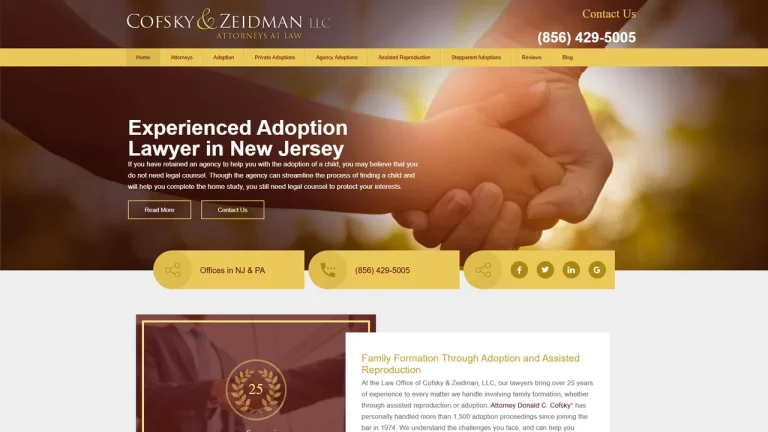
Cofsky & Zeidman LLC - Philadelphia, PA

Attorney Matthew Brennan - Pittsburgh, PA

Horne & Daller - Pittsburgh, PA

Martone Joseph P - Erie, PA
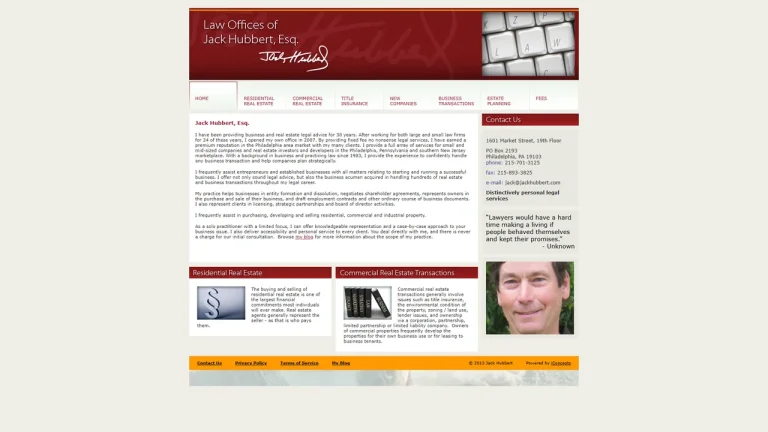
Jack Hubbert Esq. - Philadelphia, PA

Chamberlain Hrdlicka - Philadelphia, PA

Behrend & Ernsberger, P.C. - Pittsburgh, PA

van der Veen, Hartshorn, Levin & Lindheim - Allentown, PA

DeRiso Law Group - Pittsburgh, PA

Scolieri-Beam Law Group, P.C. - Pittsburgh, PA
Morgan, Lewis & Bockius LLP - Philadelphia, PA

Cozen O'Connor - Philadelphia, PA

Obermayer Rebmann Maxwell & Hippel LLP - Harrisburg, PA

Kaplin Stewart - Philadelphia, PA

Law Office of Smith & Horwitz - Philadelphia, PA

Covelli Law Offices - Pittsburgh, PA
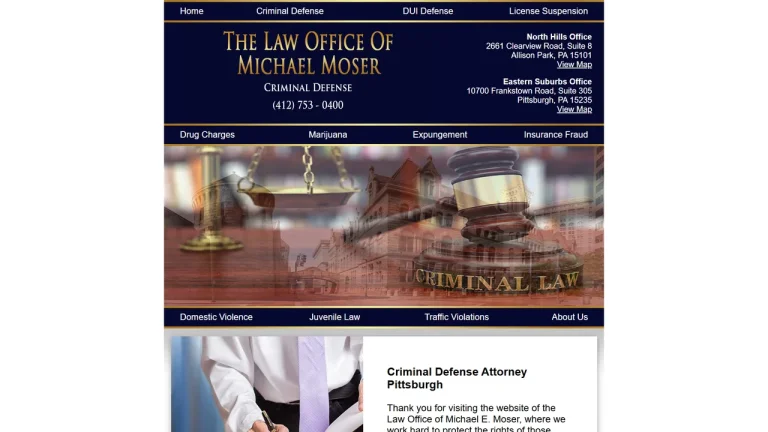
The Law Office of Michael Moser - Pittsburgh, PA

Manes & Narahari LLC - Pittsburgh, PA
The Role of Estate Planning and Probate Attorneys Across Pennsylvania
Estate planning and probate proceedings across Pennsylvania are governed by the Probate, Estates and Fiduciaries Code (PEF Code). Every county, from Allegheny and Montgomery to Lancaster and Dauphin, maintains a specialized Orphans' Court Division within the Court of Common Pleas, paired with an elected Register of Wills responsible for probating wills and issuing letters of administration.
Structuring an estate plan requires coordinating last wills and testaments, revocable and irrevocable trusts, durable financial powers of attorney, and advance healthcare directives. Wealth preservation in the Commonwealth demands strategic planning around the Pennsylvania inheritance tax, which assesses distinct tax rates depending on the familial relationship of the beneficiary to the decedent.
When an individual passes away, retaining an estate attorney guides personal representatives through petitioning the Register of Wills, advertising estate notices, preparing formal accounting records, and distributing inheritances in compliance with statutory priority schedules.
Typical Estate Planning & Probate Fees in Pennsylvania
| Case Scenario | Fee Structure | Estimated Cost (USD) | Key Cost Determinants |
|---|---|---|---|
| Standard Estate Planning Package (Will, POA, Directive) | Flat Fee | $1,200 - $3,000 | Individual vs. married couple, minor child trusts, specific asset bequests |
| Revocable Living Trust Portfolio | Flat Fee | $2,500 - $6,000 | Asset funding requirements, real property deed transfers, multi-generational provisions |
| Uncontested Estate Administration | Percentage / Hourly ($275 - $475/hr) | $3,500 - $10,000+ | Gross estate value, real estate liquidation, inheritance tax schedule complexity |
| Contested Will or Orphans' Court Litigation | Hourly Billing ($325 - $550/hr) | $10,000 - $40,000+ | Undue influence claims, testamentary capacity evaluations, expert testimony |
Critical Legal Deadlines & Statutes in Pennsylvania
Estate fiduciaries in Pennsylvania must adhere to statutory timetables set forth in Commonwealth legislation. Under 20 Pa. C.S. § 3152, the Register of Wills grants letters testamentary or letters of administration upon petition. Following appointment, personal representatives must publish notice of estate grant in a general publication and the designated county legal periodical under 20 Pa. C.S. § 3162 to establish a one-year creditor claims limitation window.
The Pennsylvania inheritance tax return (Form REV-1500) must be filed with the Register of Wills and Pennsylvania Department of Revenue within nine months of the decedent's death pursuant to 72 P.S. § 9142. Making an estimated tax prepayment within three months of the date of death secures a 5% statutory discount on the tax liability under 72 P.S. § 9142. Additionally, a comprehensive inventory of probate assets must be filed within nine months under 20 Pa. C.S. § 3301.
Small Estate Petitions vs. Formal Estate Representation
When a Pennsylvania decedent's personal estate does not exceed $50,000 (excluding real property and statutory family exemptions), eligible heirs may petition the Orphans' Court for distribution under the small estate statute, 20 Pa. C.S. § 3102. This procedure allows for expedited asset settlement without opening formal probate.
However, when estates involve titled real property, ongoing business operations, substantial creditor claims, or disputes among beneficiaries, formal estate administration is essential. Attempting to administer an estate pro se risks personal liability for fiduciaries due to tax filing errors, missed creditor notifications, or premature distributions.
Red Flags to Avoid When Selecting Estate Counsel
- Avoid trust marketing organizations or non-attorney document preparation services that sell boilerplate living trust kits without evaluating Pennsylvania inheritance tax implications.
- Steer clear of practitioners who insist that all clients require expensive trust arrangements when a properly drafted will and beneficiary structure would accomplish their objectives.
- Beware of attorneys who refuse to disclose upfront whether estate settlement fees are charged on an hourly basis or calculated as a percentage of the gross estate.
- Ensure that legal counsel is licensed and in good standing with the Disciplinary Board of the Supreme Court of Pennsylvania with demonstrated Orphans' Court experience.
Frequently Asked Questions
What are Pennsylvania's inheritance tax rates?
Pennsylvania imposes an inheritance tax based on beneficiary relationship: 0% for surviving spouses and parents of decedents aged 21 or younger; 4.5% for direct descendants and lineal heirs; 12% for siblings; and 15% for collateral and non-family beneficiaries.
What is the difference between probate and non-probate assets in Pennsylvania?
Probate assets are held solely in the decedent's name and pass according to will terms or intestacy laws. Non-probate assets pass directly by contract or title, including joint tenancy accounts, trust property, life insurance, and retirement accounts with designated beneficiaries.
Does a will need to be notarized to be valid in Pennsylvania?
A will in Pennsylvania must be signed by the testator, but notarization is not required for legal validity. However, executing a self-proving affidavit before a notary eliminates the need to locate witnesses during probate with the Register of Wills.
How can an heir contest a will in Pennsylvania?
An interested party can contest a will by filing a caveat with the Register of Wills before probate, or by filing an appeal with the Orphans' Court Division of the Court of Common Pleas asserting lack of capacity, undue influence, or fraud.
What qualifies an estate for small estate settlement in Pennsylvania?
An estate qualifies if the total gross value of personal property does not exceed $50,000, excluding real estate and family exemptions, allowing an interested party to petition the Orphans' Court directly for distribution.