
Harassment Lawyers in Memphis
Retaining an experienced Memphis workplace harassment lawyer protects your dignity and career when facing hostile or retaliatory work environments. Skilled local legal counsel documents unlawful conduct, engages human resources protocols, and negotiates settlements that provide financial recovery and career protection. Explore our verified directory below to schedule a confidential review with an established Shelby County attorney.

Your Company's Employment Lawyer (The Crone Law Firm) - Memphis, TN

Steve Wilson Firm - Memphis, TN
Punchwork - Memphis, TN
FordHarrison LLP - Memphis, TN
Littler Mendelson P.C. - Memphis, TN

Johnson & Bennett, PLLC - Memphis, TN
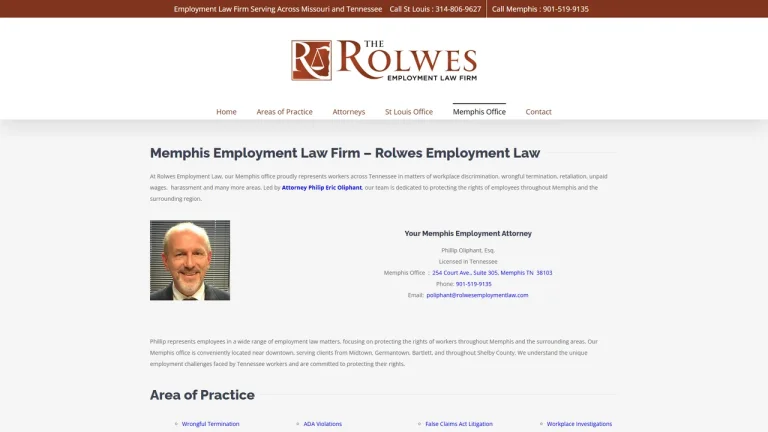
Philip Oliphant, Esq. - Memphis, TN

Hamilton Entertainment and Employment Law, LLC - Memphis, TN
The Crone Law Firm, PLC - Memphis, TN
The Rolwes Employment Law Firm - Memphis, TN
Navigating Workplace Harassment Claims in Memphis, Tennessee
Severe or pervasive harassment-whether sexual harassment, racial hostility, or abusive conduct-undermines worker safety and creates unlawful hostile work environments across Memphis. From hospital corridors in Midtown to logistics warehouses in Southeast Memphis, corporate offices in East Memphis, and hospitality venues near Beale Street, employers are legally obligated to maintain workplaces free from unlawful harassment.
Harassment claims involve state protections under the Tennessee Human Rights Act and federal protections under Title VII of the Civil Rights Act. Administrative investigations are filed through the EEOC Memphis District Office on Union Avenue, while civil litigation is adjudicated in the Thirtieth Judicial District at the Shelby County Courthouse on Adams Avenue or in the U.S. District Court for the Western District of Tennessee on North Main Street.
Engaging a Memphis workplace harassment attorney ensures that incident reports are properly submitted through company channels, evidence like text messages and witness statements is cataloged, and employer attempts to invoke affirmative defenses are countered effectively.
Typical Fee Structures and Workplace Harassment Claims in Memphis
| Case Scenario | Fee Structure | Estimated Cost (USD) | Key Cost Determinants |
|---|---|---|---|
| Quid Pro Quo Sexual Harassment Settlement | Contingency Fee | 33.3% of gross settlement ($0 upfront) | Tangible employment action (demotion, termination), digital communication evidence, supervisor liability |
| Hostile Work Environment & Internal HR Representation | Hourly Rate or Retainer | $1,500 - $4,500 | Internal investigation representation, anti-retaliation reporting, severance package negotiations |
| Contested Racial or Sexual Harassment Litigation | Contingency Fee + Fee-Shifting | 33.3% to 40% of recovery ($0 upfront) | Pervasiveness of conduct, company failure to remediate, witness depositions, trial duration |
| Public Sector Abusive Workplace (Healthy Workplace Act) | Hourly or Staged Retainer | $250 - $450 per hour | Compliance with state abusive conduct model policies, administrative hearing processes |
Critical Legal Deadlines & Statutes in Tennessee
Under the Tennessee Human Rights Act, Tenn. Code Ann. § 4-21-401, workplace harassment based on sex, race, religion, or other protected classes is prohibited. A direct lawsuit under state law must be filed within one year from the date of the unlawful harassment pursuant to Tenn. Code Ann. § 4-21-311.
Under federal law, hostile work environment and quid pro quo harassment claims are actionable under Title VII of the Civil Rights Act of 1964 pursuant to 42 U.S. Code § 2000e-2(a). To preserve federal claims, an employee must file a charge of discrimination with the EEOC within 300 days of the harassment under 42 U.S. Code § 2000e-5(e)(1). Under the continuing violation doctrine, as long as one contributing act of harassment occurred within the 300-day window, earlier related acts may be considered.
Following the issuance of an EEOC Right to Sue notice, the employee must file suit within ninety days under 42 U.S. Code § 2000e-5(f)(1). For state governmental entities, abusive conduct in the workplace is addressed under the Tennessee Healthy Workplace Act, codified at Tenn. Code Ann. § 50-1-501.
Retaliation for reporting unlawful harassment is strictly prohibited under Tenn. Code Ann. § 4-21-301 and 42 U.S. Code § 2000e-3(a).
General Sessions Limitations vs. Circuit and Federal Court in Memphis
While the Shelby County General Sessions Court resolves small monetary disputes up to $25,000 under Tenn. Code Ann. § 16-15-501, it has no authority to grant injunctive orders requiring corporate harassment policy revisions, transfers, or equitable back pay.
Harassment claims involve proving employer knowledge and overcoming affirmative defenses (such as the Faragher-Ellerth defense where employers argue the employee failed to take advantage of preventative procedures). Pro se employees often make fatal procedural mistakes during internal investigations. Retaining a seasoned Memphis harassment lawyer provides protected counsel, manages communication with corporate HR, and triggers statutory fee-shifting provisions under 42 U.S. Code § 2000e-5(k).
Red Flags to Watch for When Hiring a Memphis Workplace Harassment Lawyer
- Advising You to Resign Immediately Without Legal Analysis: Quitting impulsively before establishing constructive discharge can undermine your case; an attorney should analyze your options first.
- Failing to Secure Digital and Text Communications: Crucial proof like inappropriate text messages, emails, and voicemail logs must be preserved through proper evidentiary protocols immediately.
- Unclear Retainer Terms or Demanding Out-of-Pocket Litigation Costs: Retainer agreements should clearly outline contingency fee structures, deposition costs, and fee-shifting terms.
- Inexperience Navigating the Faragher-Ellerth Defense: Lawyers who do not understand how internal company reporting impacts employer liability cannot properly prepare a hostile work environment claim.
Frequently Asked Questions
What qualifies as actionable workplace harassment in Memphis?
Under Tenn. Code Ann. § 4-21-401 and 42 U.S. Code § 2000e-2(a), harassment must be based on a protected category (such as sex, race, or religion) and be severe or pervasive enough to create an intimidating, hostile, or offensive working environment.
What is the difference between quid pro quo and hostile work environment harassment?
Quid pro quo harassment occurs when employment benefits or job retention are conditioned upon sexual favors. A hostile work environment occurs when pervasive unwelcome conduct alters the conditions of employment.
Do I have to report the harassment to HR before filing a lawsuit in Tennessee?
Reporting through internal company complaint channels is critical. Under federal law, employers may raise an affirmative defense if an employee unreasonable failed to use the company's reporting procedures.
How long do I have to file a workplace harassment lawsuit in Memphis?
Lawsuits under the Tennessee Human Rights Act must be filed within one year under Tenn. Code Ann. § 4-21-311. Federal lawsuits require an EEOC charge within 300 days under 42 U.S. Code § 2000e-5(e)(1), followed by suit within 90 days of receiving a Right to Sue letter.
Can an employer retaliate against me for reporting sexual harassment in Memphis?
No. Retaliation for opposing unlawful harassment is illegal under Tenn. Code Ann. § 4-21-301 and 42 U.S. Code § 2000e-3(a), entitling the employee to additional damages.