
Estate Planning Lawyers in Houston
Developing a comprehensive estate plan in Houston protects your assets, healthcare preferences, and family wealth under Texas probate and property statutes. An experienced estate planning lawyer establishes customized legal instruments, from living trusts to durable powers of attorney, preventing costly guardianship proceedings. Explore our directory below to consult with vetted estate planning attorneys across the Houston metropolitan area.

Daniels Law Firm PLLC - Houston, TX
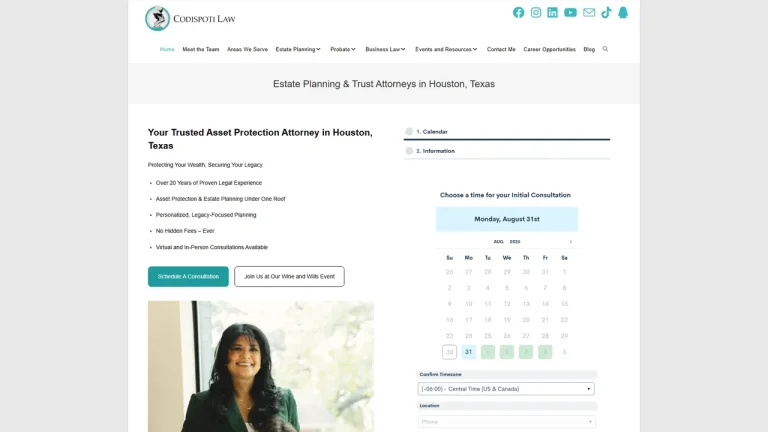
Codispoti Law PC - Houston, TX
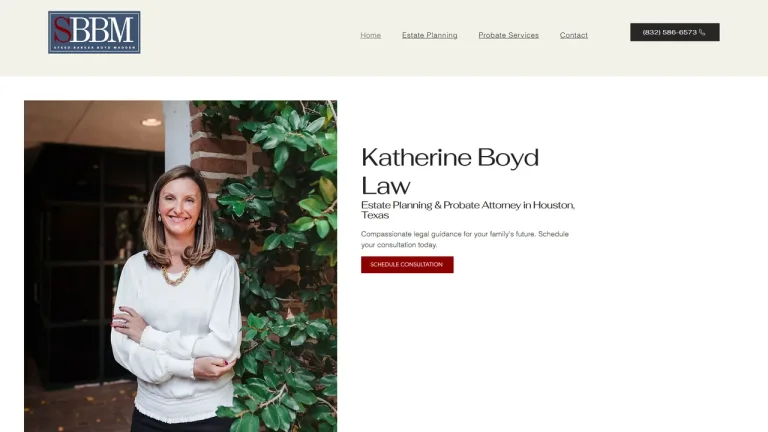
Katherine Boyd Law - Houston, TX

The Law Office of Whitney L. Thompson, PLLC - Houston, TX

Hensley & Krueger, PLLC - Houston, TX

E. Rhett Buck, Attorney - CPA - Houston, TX

Law Office of Ali Younes - Houston, TX

McCulloch & Miller, PLLC - Houston, TX

Nimmons & Fronterhouse - Houston, TX
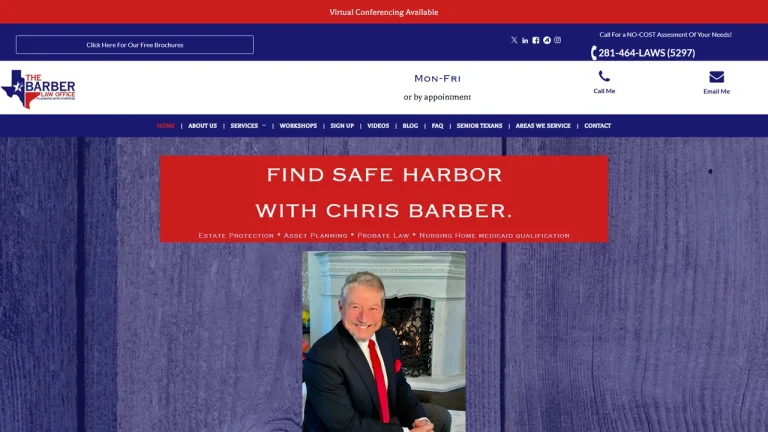
The Barber Law Office - Houston, TX
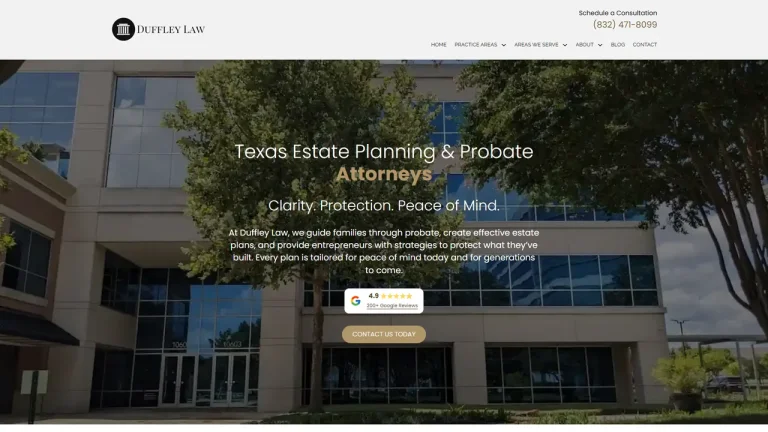
Duffley Law - Houston, TX

Featherston Tran, PLLC - Houston, TX

Strickland Law Firm, PLLC - Houston, TX

Stacy Kelly, Texas Probate Attorney - Houston, TX

Doré Rothberg Law - Houston, TX
McCreary Law Office, PLLC - Houston, TX

Everything Probate - Houston, TX
Crady Jewett McCulley & Houren LLP - Houston, TX

The S Davis Law Group, PLLC - Houston, TX

Fleurinord Law PLLC - Houston, TX

Stuart Green Law, PLLC - Houston, TX

Bragg Law PC - Houston, TX

The Titus Law Firm - Houston, TX

Comprehensive Estate & Incapacity Planning in Houston
Estate planning in the greater Houston area involves far more than simply deciding who inherits your property; it is an integrated strategy to protect your financial security, medical autonomy, and business assets. In Harris County, probate and adult guardianship matters are handled exclusively by the five Harris County Statutory Probate Courts at the Harris County Civil Courthouse in Downtown Houston. Establishing a thorough estate plan shields your family from contentious court proceedings if you become incapacitated.
Houston's unique economy-anchored by corporate energy enterprises, commercial shipping, real estate ventures, and the Texas Medical Center-demands customized planning. Local families must coordinate business succession, mineral rights leases, and healthcare powers of attorney that comply with Texas health codes. Without proper planning, an unexpected accident or illness can thrust your estate into expensive, court-supervised guardianship proceedings.
Trusted Houston estate planning attorneys serve clients throughout the metropolitan area, including Memorial, River Oaks, Kingwood, The Woodlands, Sugar Land, Katy, and Clear Lake. Counsel drafts integrated packages consisting of wills, trusts, statutory durable powers of attorney, medical directives, and declarations of guardian in advance of need.
Typical Estate Planning Package Costs in Houston
| Case Scenario | Fee Structure | Estimated Cost (USD) | Key Cost Determinants |
|---|---|---|---|
| Essential Estate Plan (Will, POA, Medical Directive) | Flat Fee | $1,200 - $2,500 | Beneficiary distribution structure, marital status, and healthcare proxy specifications. |
| Comprehensive Trust-Based Estate Plan | Flat Fee | $2,800 - $6,500 | Real estate deed retitling, mineral interest transfers, pour-over wills, and tax provisions. |
| High-Net-Worth & Business Succession Plan | Flat Fee or Hourly | $5,000 - $15,000+ | Family limited partnerships (FLPs), corporate buy-sell agreements, and federal gift tax planning. |
| Contested Adult Guardianship Proceedings | Hourly Retainer | $6,000 - $25,000+ | Physician medical certificates, attorney-ad-litem appointments, and contested hearings in Harris County. |
Critical Legal Deadlines & Statutes in Texas
Estate planning documents in Texas are governed by dedicated statutory instruments codified within the Texas Estates Code and Health and Safety Code. Financial management during incapacity is secured through a Statutory Durable Power of Attorney pursuant to Tex. Estates Code § 751.002. This instrument allows a designated agent to handle banking, tax filings, and business transactions without court intervention.
Healthcare decisions are protected through a Medical Power of Attorney under Tex. Health & Safety Code § 166.151, alongside a Directive to Physicians and Family or Surrogates (Living Will) pursuant to Tex. Health & Safety Code § 166.031, which directs end-of-life treatments. To avoid disputes over who takes care of your person and estate if incapacitated, Texans execute a Declaration of Guardian in Advance of Need under Tex. Estates Code § 1104.202. For married couples, planning must respect the legal definitions of separate versus community property codified in Tex. Fam. Code § 3.002. Upon death, a four-year statute of limitations applies to probate a will under Tex. Estates Code § 256.003.
Small Claims Limits vs. Professional Representation
The Small Claims Division of the Harris County Justice Courts is restricted to claims up to $20,000 under Tex. Gov't Code § 27.031. Small claims courts have zero legal authority to evaluate estate planning instruments, oversee trusts, or grant adult guardianships. Under Tex. Estates Code § 1022.002, exclusive jurisdiction over adult incapacity and guardianship belongs to statutory probate courts.
Failing to retain an attorney to execute durable powers of attorney creates severe financial and personal consequences. If you become incapacitated without valid powers of attorney, your family cannot access your accounts or manage your assets without petitioning the Harris County Probate Court for a legal guardianship. Guardianship proceedings routinely cost thousands of dollars, require annual accounting audits, and force your family into intrusive court supervision that could have been completely avoided with an estate plan.
Red Flags When Hiring a Houston Estate Planning Lawyer
- Generic Non-Statutory Powers of Attorney: Texas financial institutions frequently reject generic power of attorney forms; ensure your counsel uses the official Texas statutory durable power of attorney form.
- Omitting Declaration of Guardian in Advance of Need: Failing to name a pre-designated guardian leaves you vulnerable to contentious family battles in Harris County Probate Court if incapacity strikes.
- Ignoring Non-Probate Beneficiary Designations: Life insurance, 401(k)s, and IRAs pass outside of wills; an estate plan that fails to align beneficiary designations with your legal documents will fail.
- Firms Offering No Trust Funding Support: Retaining counsel who drafts a trust but leaves deed conveyances to the client risks total estate plan failure and unnecessary probate litigation.
Frequently Asked Questions
What core documents are included in a Texas estate plan?
A comprehensive Texas estate plan includes a Will or Revocable Living Trust, a Statutory Durable Power of Attorney, a Medical Power of Attorney, a Directive to Physicians (Living Will), and a Declaration of Guardian in Advance of Need.
How does Texas community property law affect estate planning?
All property acquired during marriage is presumed community property, with each spouse owning an undivided 50% interest. Proper estate planning coordinates separate property assets and community property distributions to minimize capital gains taxes.
What happens if I become incapacitated without powers of attorney in Houston?
Your loved ones will have to file for a court-supervised guardianship in the Harris County Probate Court, which involves medical examinations, attorney-ad-litem evaluations, and extensive legal fees.
Do beneficiary designations override the instructions in my will?
Yes. Non-probate assets like life insurance policies, retirement accounts, and payable-on-death bank accounts transfer directly to the named beneficiary regardless of contrary instructions in your will.
How often should I update my estate plan in Houston?
You should review your estate plan every three to five years, or immediately following major life events such as marriage, divorce, the birth of a child, substantial changes in wealth, or changes in Texas tax statutes.