
Copyright Lawyers in Virginia
Securing a knowledgeable Virginia copyright lawyer safeguards your original creative works and ensures immediate enforcement against unauthorized digital use. Skilled copyright counsel manages U.S. Copyright Office registrations, sends decisive DMCA takedowns, and litigates federal infringement in the Eastern District of Virginia. Review our comprehensive directory below to consult with top-rated Virginia intellectual property attorneys.

Nath, Goldberg & Meyer - Alexandria, VA

Michael Hertz, Attorney - Roanoke, VA

Darkhorse Attorneys - Roanoke, VA
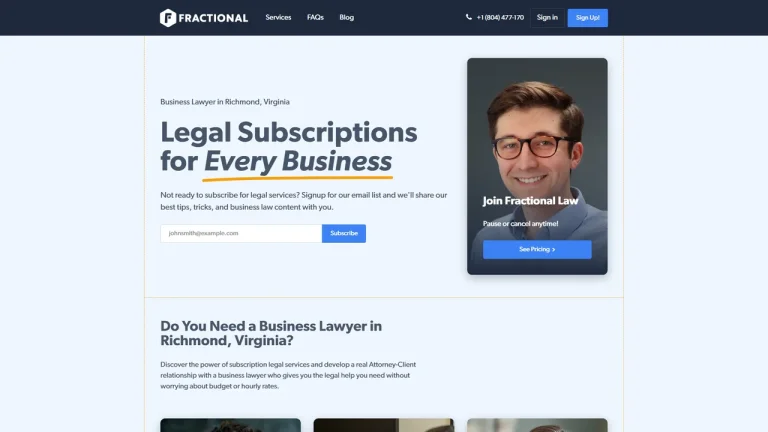
Fractional Law - Richmond, VA

Dunlap Bennett & Ludwig - Richmond, VA

Kaufman & Canoles, P.C. - Chesapeake, VA

Oliff PLC - Alexandria, VA
Davis, Burch & Abrams - Chesapeake, VA
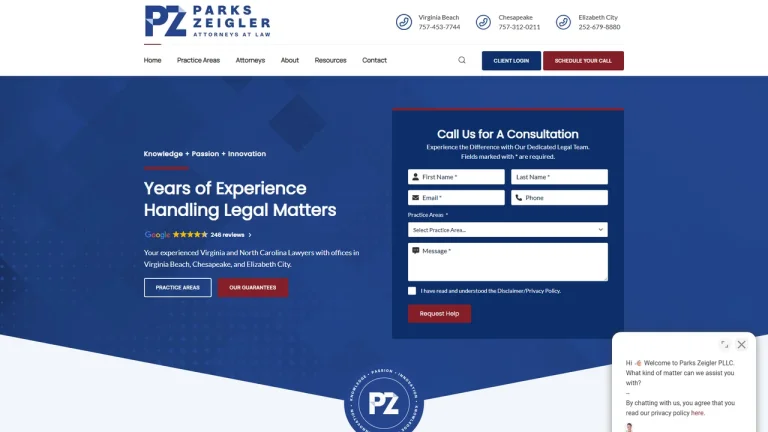
Parks Zeigler, PLLC - Attorneys At Law - Virginia Beach, VA
Schmidt-Ullrich Law, PLLC - Richmond, VA

Rhodes IP PLC - Roanoke, VA

Maier & Maier PLLC - Alexandria, VA

Hotchkiss Law PLLC - Roanoke, VA

Juneau & Mitchell IP and Business Law Firm - Alexandria, VA
Mattingly & Malur PC - Alexandria, VA
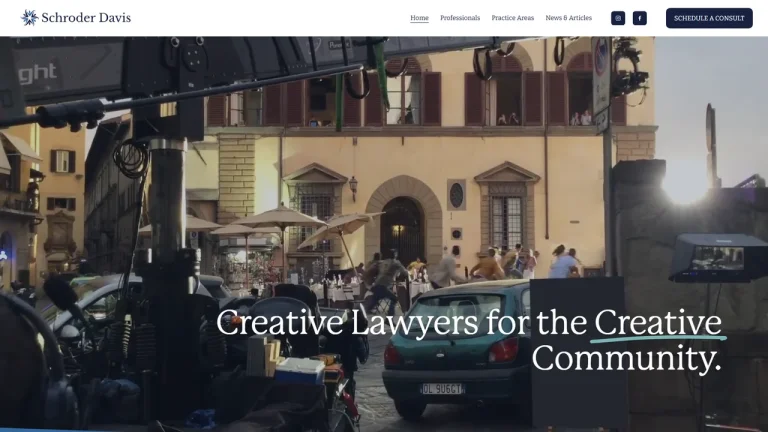
Schroder Davis Law Firm, PLC - Richmond, VA
Shaddock Law Group - Chesapeake, VA
Smith Patent LLC - Alexandria, VA
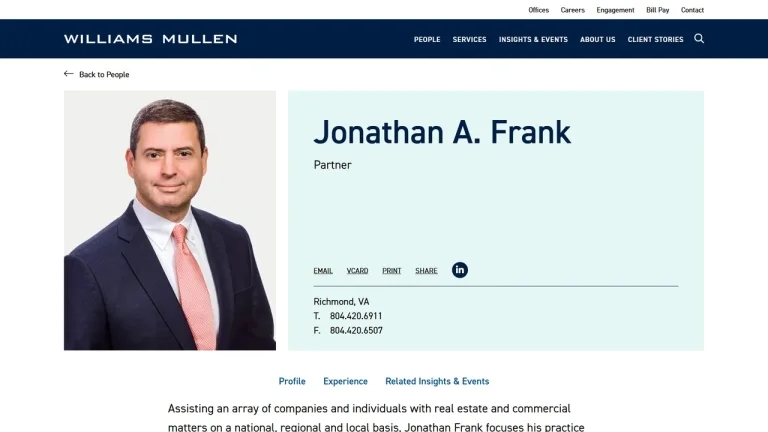
Jonathan Frank - Richmond, VA
Nazareth Innovative Law - Portsmouth, VA
Monarch Intellectual Property Group, PLLC - Alexandria, VA
Shlesinger Arkwright & Garvey - Alexandria, VA
Hauptman Ham, LLP - Alexandria, VA
Enforcing Copyright Protection and Digital Rights in Virginia
Protecting original works of authorship in Virginia requires aggressive legal management across digital and traditional mediums. As a dominant global hub for cloud computing, defense contracting, and digital technology, Virginia sees substantial copyright activity in software code, architecture, media productions, and corporate literary content. Federal law exclusively governs copyright infringement actions, channeling disputes directly to the federal courts sitting in the Commonwealth.
Copyright litigation in Virginia is primarily concentrated in the United States District Court for the Eastern District of Virginia, with courthouses in Alexandria, Richmond, and Norfolk, alongside the Western District of Virginia in Roanoke and Charlottesville. The Eastern District of Virginia rapid case management practices require litigators to produce initial disclosures and evidentiary exhibits on compressed schedules, giving copyright holders a distinct tactical advantage when stopping ongoing piracy or trade infringement.
Retaining an intellectual property attorney admitted to practice before the Virginia State Bar and the federal courts ensures that your creative assets are fully leveraged. Local counsel helps creators register copyrights before distribution, audits licensing agreements, and issues statutory takedown notices under federal law to remove infringing material from servers and web platforms.
Legal Fee Structures for Virginia Copyright Representation
Copyright attorneys in Virginia structure legal fees according to the complexity of the matter, utilizing flat-fee schedules for routine registrations and hourly or contingency models for federal court enforcement.
| Case Scenario | Fee Structure | Estimated Cost (USD) | Key Cost Determinants |
|---|---|---|---|
| U.S. Copyright Office Application Filing | Standard Flat Fee | $450 - $1,200 | Single work versus group registration, publication status, and deposit material formatting. |
| DMCA Takedown Notice & Cease-and-Desist Demands | Flat Fee or Hourly | $750 - $2,000 | Identifying server hosts, drafting statutory notifications, and managing counter-notice responses. |
| Copyright Claims Board (CCB) Proceeding | Flat Fee or Phased Billing | $3,000 - $7,500 | Small-claims preparation, limited discovery review, respondent opt-out monitoring, and written submissions. |
| Federal District Court Infringement Litigation | Hourly or Contingency (33%-40%) | $20,000 - $60,000+ | Filing for temporary restraining orders, statutory damages qualification, expert witness testimony, and trial. |
Critical Legal Deadlines & Statutes in Virginia
Copyright actions are strictly controlled by federal statutory time limits. Under 17 U.S. Code § 507(b), civil copyright infringement lawsuits must be commenced within three years after the claim accrued or when the plaintiff discovered, or with due diligence should have discovered, the infringement. Crucially, before an infringement action can be initiated in federal court, the copyright owner must have an issued registration from the U.S. Copyright Office under 17 U.S. Code § 411(a), making early registration essential.
Timing your registration also dictates your recovery options. Under 17 U.S. Code § 412, a copyright owner cannot recover statutory damages or attorney fees under 17 U.S. Code § 504(c) and 17 U.S. Code § 505 unless the work was registered before the infringement commenced, or within three months of first publication. When dealing with online infringement under the Digital Millennium Copyright Act (DMCA), service providers must restore access to removed content within 10 to 14 business days after receiving a counter-notification under 17 U.S. Code § 512(g)(2) unless the copyright owner files a federal court action within that precise window.
Small Claims Court Limitations vs. Federal Copyright Venues
Virginia General District Courts and their Small Claims Divisions under Va. Code § 16.1-122.1 cannot hear copyright infringement claims. Federal law completely preempts state courts from adjudicating copyright claims pursuant to 17 U.S. Code § 301, and federal district courts have exclusive subject-matter jurisdiction under 28 U.S. Code § 1338(a).
For disputes involving damages up to $30,000, creators can utilize the Copyright Claims Board (CCB) established under 17 U.S. Code § 1502 as an alternative to formal federal litigation. However, respondents may opt out of the CCB within 60 days, requiring the creator to proceed in the United States District Court for the Eastern District of Virginia. Because federal litigation in the Rocket Docket demands rapid evidentiary submissions, hiring a skilled copyright lawyer is vital to secure statutory damages, protect trade secrets, and obtain permanent injunctions.
Red Flags When Selecting a Virginia Copyright Attorney
Copyright law involves technical federal procedural standards. Protect your creative investments by identifying these warning signs:
- Filing Federal Lawsuits Without Registration: Steer clear of attorneys who file infringement complaints based merely on pending applications, disregarding the Supreme Court registration mandate under 17 U.S. Code § 411(a).
- Overpromising Statutory Damages: An attorney must verify that your work was registered prior to the infringement before promising statutory damages up to $150,000 per willful work under 17 U.S. Code § 504(c).
- Lack of Federal Trial Experience in Virginia: Because copyright cases must be litigated in federal district courts, counsel must be an active member of the federal bar with experience managing Rocket Docket deadlines.
- Ignoring Fair Use Realities: Avoid lawyers who fail to evaluate statutory fair use factors under 17 U.S. Code § 107 before filing suit, which could expose you to liability for the defendant attorney fees.
Frequently Asked Questions
Can I file a copyright infringement lawsuit in a Virginia state court?
No. Under 28 U.S. Code § 1338(a), federal courts maintain exclusive jurisdiction over copyright infringement claims. Virginia state courts and small claims courts have no authority to hear copyright disputes.
What is the statute of limitations for copyright infringement in Virginia?
Under 17 U.S. Code § 507(b), civil copyright infringement lawsuits must be brought within three years from the date the plaintiff discovered or reasonably should have discovered the infringing act.
Why is timely copyright registration critical before infringement occurs?
Under 17 U.S. Code § 412, timely registration before infringement or within three months of publication preserves your eligibility to recover statutory damages up to $150,000 for willful infringement and attorney fees without needing to prove actual lost profits.
What is the Copyright Claims Board (CCB) and how does it work?
Established under 17 U.S. Code § 1502, the CCB is a voluntary, streamlined administrative tribunal within the U.S. Copyright Office designed to resolve copyright disputes with total damages capped at $30,000 without requiring formal federal court litigation.
What damages can I recover for copyright infringement in Virginia?
A copyright owner can recover either their actual monetary damages plus the infringer profits attributable to the infringement, or statutory damages ranging from $750 to $30,000 per work, increasing up to $150,000 for willful infringement under 17 U.S. Code § 504.