
Commercial Real Estate Lawyers in Richmond
Navigating commercial real estate development and leasing in Richmond requires rigorous due diligence under Virginia property and land use statutes. Seasoned commercial counsel negotiates protective leases, secures zoning approvals, and resolves title encumbrances. Explore our verified directory below to consult with distinguished Richmond commercial real estate lawyers.
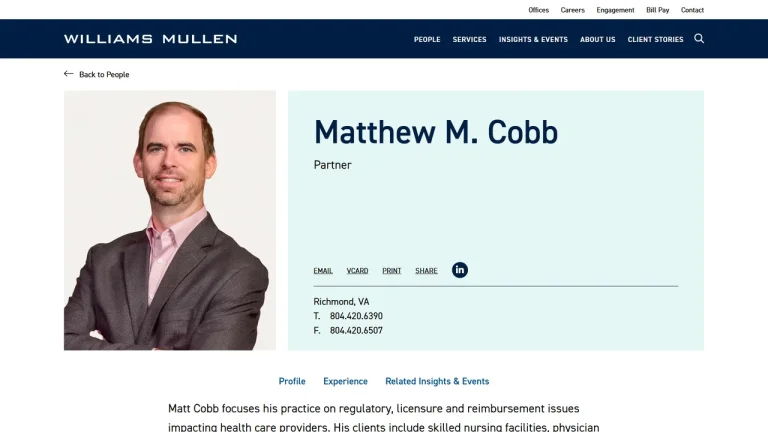
Matt Cobb - Richmond, VA

Hunton Andrews Kurth - Richmond, VA
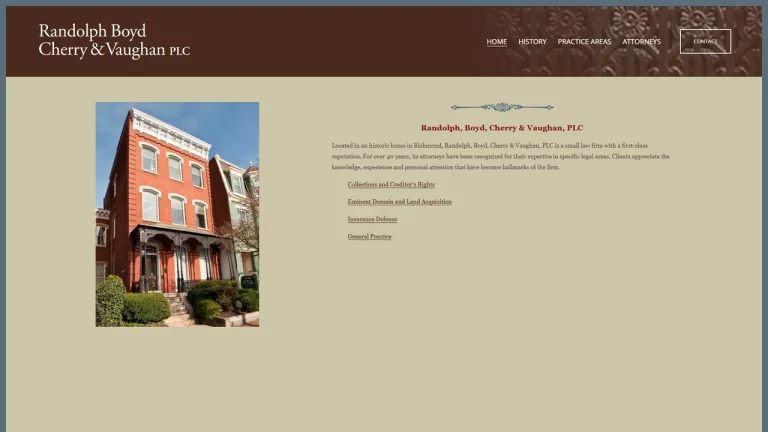
Randolph Boyd Cherry & Vaughan - Richmond, VA

Troutman Pepper Locke - Richmond, VA

Kane Jeffries Cooper & Carolla - Richmond, VA
DeskevichHarris PC - Richmond, VA

Bowles Affiliates PC - Richmond, VA

ReisingerGooch PLC - Richmond, VA

Miles and Stockbridge - Richmond, VA

Lauren W. Waller (Williams Mullen) - Richmond, VA
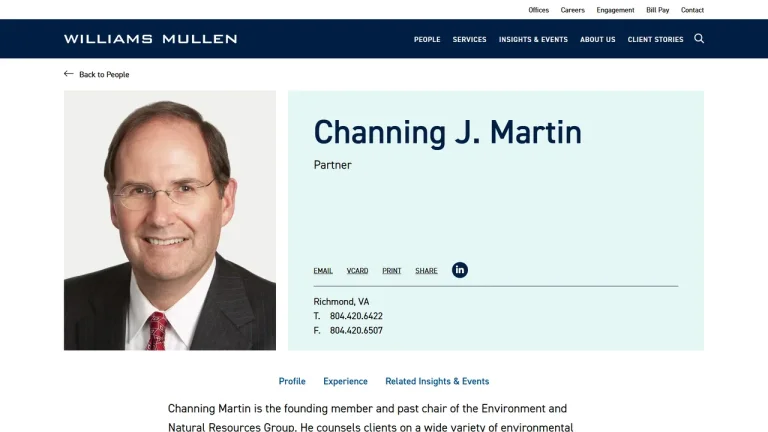
Channing J. Martin - Richmond, VA

Woods Rogers - Richmond, VA

John V. Robinson, P.C. - Richmond, VA

William S. Francis Attorney At Law - Richmond, VA
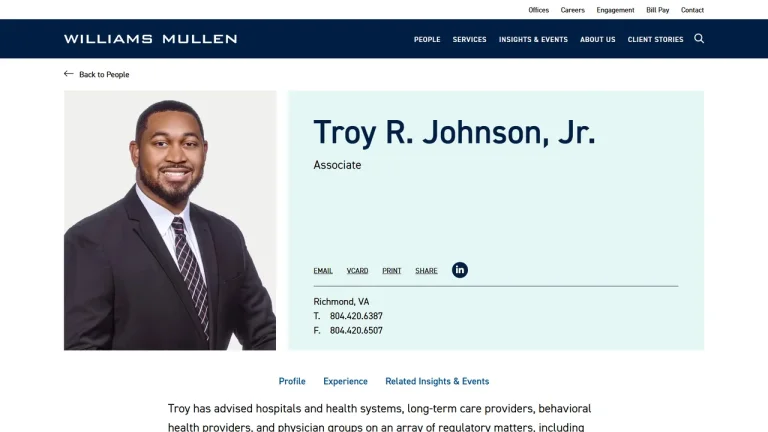
Troy R. Johnson, Jr. - Richmond, VA
Kutak Rock LLP - Richmond, VA
Harrell & Chambliss LLP - Richmond, VA

Irvin Law Firm - Richmond, VA

Butler Snow LLP - Richmond, VA
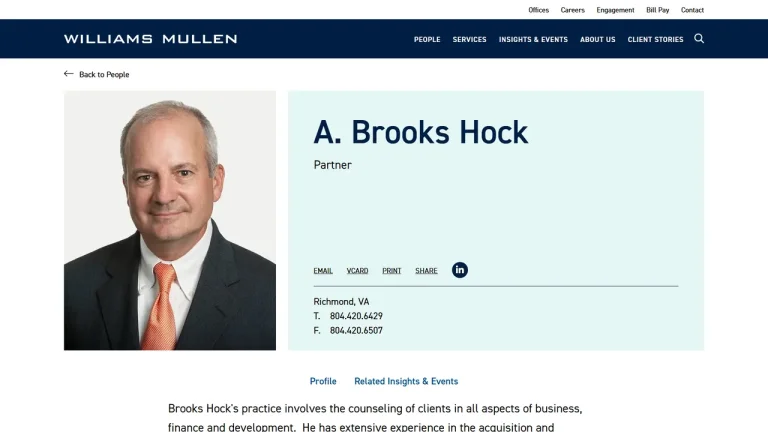
Brooks Hock - Richmond, VA

Williams Mullen - Richmond, VA
VA Real Estate Law Firm PLLC - Richmond, VA

Andrea Harlow - Richmond, VA

Commercial Property Development & Leasing in Richmond
Commercial real estate activity across the City of Richmond-including warehouse transformations in Manchester, adaptive reuse developments in Scott's Addition, and corporate office acquisitions Downtown-demands comprehensive legal management. Capital investments require rigorous protection against title defects and regulatory delays.
Zoning entitlements and land development applications are evaluated by the City of Richmond Planning Commission and the Board of Zoning Appeals at City Hall (900 East Broad Street). All deeds of trust, commercial conveyances, and mechanics' liens must be recorded in the Land Records Division of the Richmond Circuit Court Clerk's Office at 400 North 9th Street.
Commercial real estate lawyers assist developers, institutional lenders, and commercial tenants in structuring transactions, drafting complex commercial leases, and navigating municipal approvals to ensure investments comply with Virginia statutory mandates.
Richmond Commercial Real Estate Fee Structures
| Case Scenario | Fee Structure | Estimated Cost (USD) | Key Cost Determinants |
|---|---|---|---|
| Commercial Acquisition Due Diligence & Closing | Flat / Blended | $3,000 - $7,500 | Phase I environmental review, municipal zoning letters, ALTA survey analysis, closing escrow. |
| Commercial Lease Review & Negotiation | Hourly / Flat | $1,500 - $4,500 | Square footage, tenant buildout terms, common area maintenance audit language, personal guarantees. |
| Special Use Permit & Zoning Representation | Retainer / Hourly | $4,000 - $12,000 | Planning Commission hearings, neighborhood civic association presentations, traffic impact audits. |
| Mechanics' Lien Defense & Foreclosure | Hourly Billing | $5,000 - $18,000+ | Statutory 90-day filing audits, contractor payment tracing, Circuit Court litigation at 400 N 9th St. |
Critical Legal Deadlines & Statutes in Virginia
Development projects in Richmond must comply with strict statutory timelines regarding contractor liens. Under Va. Code § 43-4, a memorandum of mechanics' lien must be recorded within 90 days from the last day of the month in which labor or materials were provided, and in no event later than 150 days from project completion. Lawsuits to enforce a mechanics' lien must be filed within six months under Va. Code § 43-17.
Title priority is established under Virginia's race-notice statute codified at Va. Code § 55.1-407, meaning deeds of trust and leasehold mortgages must be recorded promptly with the Richmond Circuit Court Clerk. Commercial leases are regulated under Va. Code § 55.1-1400, which governs distress and commercial landlord remedies.
Property conveyances require payment of state and city recordation taxes pursuant to Va. Code § 58.1-801, payable upon admitting instruments to record at the courthouse.
Small Claims Limitations vs. Commercial Real Estate Counsel
The Small Claims Division of Richmond General District Court is restricted to claims up to $5,000 under Va. Code § 16.1-122.1. Small claims courts have zero legal authority over commercial real estate transactions, mechanics' lien foreclosures, or zoning appeals.
Commercial property transactions carry substantial financial exposure. A missed environmental phase review or failure to enforce strict mechanics' lien waiver protocols under Va. Code § 43-4 can cloud title and delay financing. Commercial legal counsel structures purchase agreements, negotiates loan covenants, and ensures title policies contain necessary ALTA endorsements.
Red Flags to Avoid When Hiring a Richmond Commercial Real Estate Lawyer
- Firms that overlook municipal zoning restrictions or fail to obtain official zoning verification letters from the City of Richmond.
- Inexperience in managing complex mechanics' lien deadlines under Va. Code § 43-4, jeopardizing project financing.
- Failure to promptly record commercial deeds of trust and leasehold mortgages at the John Marshall Courts Building under Va. Code § 55.1-407.
- Unclear retainer terms that fail to delineate between basic contract drafting and municipal public hearing appearances.
Frequently Asked Questions
Where are commercial real estate documents recorded in Richmond?
All commercial conveyances, deeds of trust, and mechanics' liens in Richmond are recorded at the Richmond Circuit Court Clerk's Office, located in the John Marshall Courts Building at 400 North 9th Street.
What is the statutory deadline to file a mechanics' lien in Virginia?
Pursuant to Va. Code § 43-4, a mechanics' lien must be recorded within 90 days from the last day of the month in which work was performed, and within 150 days from project completion.
How do Special Use Permits (SUP) operate in the City of Richmond?
When a proposed commercial use is not permitted by right under current zoning, an application for a Special Use Permit is submitted to the City Planning Commission and decided by the Richmond City Council.
What statutory framework governs commercial leases in Virginia?
Commercial leases are governed by Title 55.1, Chapter 14 of the Code of Virginia, specifically Va. Code § 55.1-1400, which defines commercial landlord remedies and tenancy terms.
Why is an ALTA survey critical for commercial property acquisitions?
An ALTA survey identifies property boundaries, utility easements, setback violations, and unrecorded encroachments, allowing legal counsel to obtain title insurance endorsements protecting the investment.