
Theft & Burglary Defense Lawyers in Washington
Engaging a dedicated Washington theft and burglary defense attorney ensures your constitutional rights and reputation are vigorously protected against property crime charges. Skilled legal counsel investigates evidence preservation, challenges property valuation, and negotiates statutory civil compromises to avoid permanent criminal convictions. Browse our verified statewide directory to schedule an initial consultation with a trusted Washington defense lawyer.

Heyman Schueler Rain - Seattle, WA
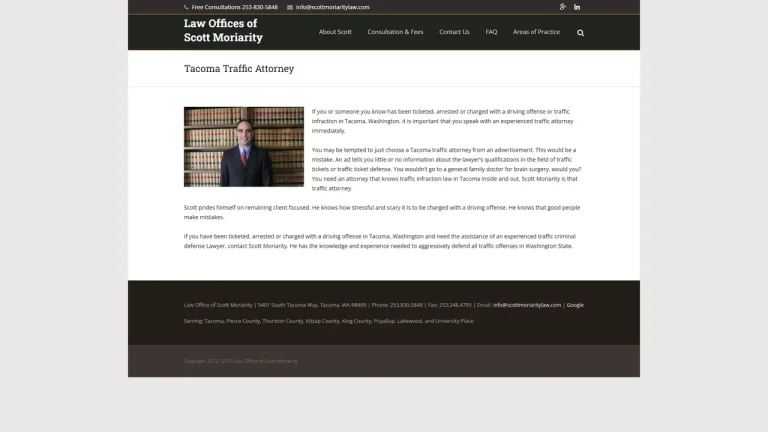
Law Office of Scott Moriarity - Tacoma, WA

Washington State Attorneys, PLLC, Olympia, WA

The Fox Law Firm - Bellevue, WA
Baxter Law International PLLC - Bellevue, WA
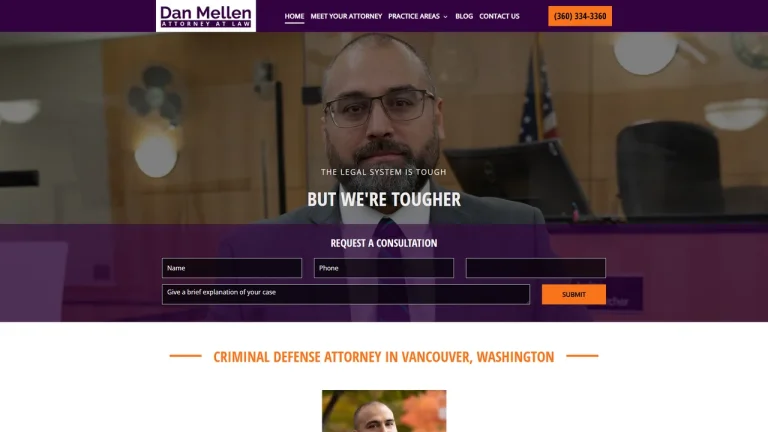
Dan Mellen, Attorney at Law - Vancouver, WA

Vindicate Criminal Law Group - Tacoma, WA

ARK Law, PLLC - Kent, WA

Green Ritchie & Bogar, PLLC - Vancouver, WA

The Law Offices of Morgan Fletcher Benfield, PLLC - Tacoma, WA

Rice O'Neal PLLC - Everett, WA

Attorney Jeffrey L. Kradel - Seattle, WA

Sheed Law Offices, PLLC - Seattle, WA
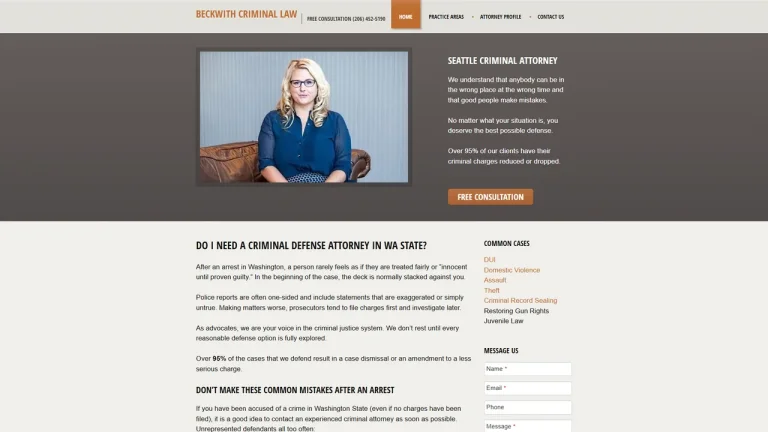
Beckwith Criminal Law - Seattle, WA

Community Law Firm, PLLC - Seattle, WA

Beckwith Law - Tacoma, WA

Puget Law Group - Kent, WA

Garza Defense, PLLC - Everett, WA
Attorney At Law Vinny Randhawa - Kent, WA
Eric Schurman - Seattle, WA

Snohomish Law - Everett, WA
Law Offices of Phillip L. Weinberg - Bellevue, WA
Action Legal Group, PLLC - Spokane, WA
Defending Property and Burglary Allegations Across Washington State
Property crime allegations in Washington carry severe legal repercussions that can derail careers, jeopardize state professional licenses, and result in substantial incarceration. From commercial retail centers and residential communities in King County (Seattle, Bellevue, and Kent) and Pierce County (Tacoma and Puyallup), to Clark County in Vancouver and Spokane, local prosecutors aggressively pursue theft and burglary charges.
Property crimes in Washington are bifurcated across trial court jurisdictions. Misdemeanor theft offenses and vehicle prowling are litigated in Washington District Courts and Municipal Courts, whereas felony property crimes-including residential burglary, commercial burglary, and grand theft-fall under the exclusive original jurisdiction of Washington Superior Courts.
Retaining a property crimes defense lawyer licensed by the Washington State Bar Association ensures every viable defense is explored. Experienced counsel scrutinizes surveillance video authenticity, challenges prosecution valuation calculations, and leverages statutory dismissal mechanisms such as civil compromises to protect your clean record.
Estimated Legal Fees and Defense Costs for Washington Property Crimes
| Case Scenario | Fee Structure | Estimated Cost (USD) | Key Cost Determinants |
|---|---|---|---|
| Theft in the Third Degree (Gross Misdemeanor) | Flat Fee | $1,500 - $4,000 | Retail surveillance clarity, first-time offender diversion options, civil compromise feasibility. |
| Residential Burglary or Vehicle Prowling (Felony) | Flat Fee / Retainer | $5,000 - $14,000 | Proof of intent to commit a crime, dwelling status classification, fingerprint or forensic DNA testing. |
| Theft in the First Degree & Commercial Embezzlement | Hourly Retainer | $10,000 - $30,000+ | Forensic accounting audit scale, corporate financial ledger subpoenas, multi-year transaction tracing. |
| Identity Theft or Organized Retail Crime Network | Hourly / Structured Retainer | $12,000 - $40,000+ | Digital hardware forensics, multi-county task force coordination, CrR 3.6 search warrant challenges. |
Critical Legal Deadlines & Statutes in Washington
Washington property offenses are strictly graded based on statutory valuations and physical location. Under RCW 9A.56.030, Theft in the First Degree involves property or services exceeding $5,000, classified as a Class B felony. Theft in the Second Degree is codified in RCW 9A.56.040 for property valued over $750 up to $5,000 as a Class C felony, while Theft in the Third Degree under RCW 9A.56.050 addresses property valued up to $750 as a gross misdemeanor.
Burglary statutes impose severe felony penalties: Residential Burglary under RCW 9A.52.025 is a Class B felony specifically penalizing unauthorized entry into a dwelling, separate from commercial Burglary in the Second Degree under RCW 9A.52.030. However, for misdemeanor theft cases, Washington law offers an exceptional statutory exit: under RCW 10.22.010 and RCW 10.22.020, a misdemeanor property charge may be dismissed via a formal civil compromise if the injured party acknowledges in writing that full restitution and satisfaction have been received.
Pretrial speedy trial constraints are dictated by Washington Superior Court Criminal Rule CrR 3.3 and District Court rule CrRLJ 3.3, requiring trial within 60 days of arraignment for incarcerated defendants, or 90 days for released individuals. General felony theft prosecutions must be filed within three years under RCW 9A.04.080(1)(i), while gross misdemeanors carry a two-year statute of limitations under RCW 9A.04.080(2).
Small Claims Limitations vs. Professional Criminal Defense Counsel
In Washington, Small Claims Court operates within the District Courts under RCW 12.40.010 with claims capped at $10,000 for individuals, and attorneys are prohibited from appearing under RCW 12.40.080.
While merchants may pursue civil shoplifting penalties in small claims court, that forum has zero legal power over criminal prosecutions. Theft convictions carry lasting damage: theft is categorized as a crime involving moral turpitude, triggering professional disqualifications, loss of commercial bonding, and mandatory deportation for non-citizens under federal immigration law. Residential Burglary under RCW 9A.52.025 is classified as a violent offense on a defendant's criminal history. Retaining experienced defense counsel ensures property valuations are contested, unlawful evidence is suppressed under CrR 3.6, and civil compromises are secured under RCW 10.22.020.
Red Flags to Avoid When Selecting a Washington Property Crimes Lawyer
- Failing to explore a statutory misdemeanor civil compromise under RCW 10.22.010 for eligible first-offense property cases.
- Promising immediate dismissal before examining retail loss prevention logs, camera angles, and chain of custody reports.
- Lack of substantive trial experience in Washington Superior Courts defending against serious residential burglary charges.
- Neglecting to challenge subjective prosecution appraisals of stolen goods, which directly determine whether a charge is filed as a misdemeanor or felony.
Frequently Asked Questions
What is the dollar threshold between misdemeanor and felony theft in Washington?
Under RCW 9A.56.050, theft of property or services valued at $750 or less is Theft in the Third Degree, a gross misdemeanor. If the value exceeds $750, the offense becomes a felony: Second Degree Theft (over $750 up to $5,000) or First Degree Theft (exceeding $5,000).
What is a civil compromise in a Washington theft case?
Under RCW 10.22.010 and RCW 10.22.020, if an individual is charged with a misdemeanor theft and the victim has a civil remedy, the court has discretion to dismiss the criminal charge entirely if the victim signs an acknowledgment of complete financial satisfaction.
What is the difference between Residential Burglary and Second Degree Burglary in Washington?
Under RCW 9A.52.025, Residential Burglary specifically involves entering or remaining unlawfully in a dwelling used for lodging, carrying harsher sentencing consequences than Second Degree Burglary under RCW 9A.52.030, which applies to commercial or non-residential buildings.
Can a theft conviction affect professional licensing or immigration status in Washington?
Yes. Theft is classified as a crime of moral turpitude. A conviction can lead to the revocation of professional licenses, bar individuals from fiduciary employment, and trigger deportation or inadmissibility for non-citizens under federal immigration law.
How does the prosecution prove burglary without forced entry in Washington?
Under Washington burglary statutes, forced entry is not required. The state only needs to prove beyond a reasonable doubt that the accused entered or remained unlawfully in a building or dwelling with the intent to commit a crime against persons or property therein.