
Divorce Lawyers in Charleston, WV
Securing an experienced divorce lawyer in Charleston protects your financial future and marital property rights under West Virginia domestic relations statutes. Knowledgeable local counsel navigates complex asset division, resolves disputes through strategic mediation, and minimizes court confrontation. Browse our verified directory below to consult trusted Kanawha County divorce attorneys.
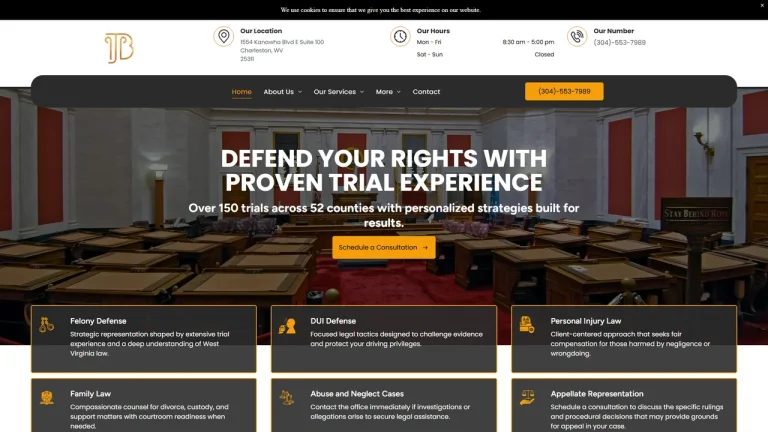
John J. Balenovich Law Offices, LC - Charleston, WV

Bullman & Bullman - Charleston, WV
Hively Law Offices - Charleston, WV

Hamilton Law Office (Charles R. Hamilton) - Charleston, WV
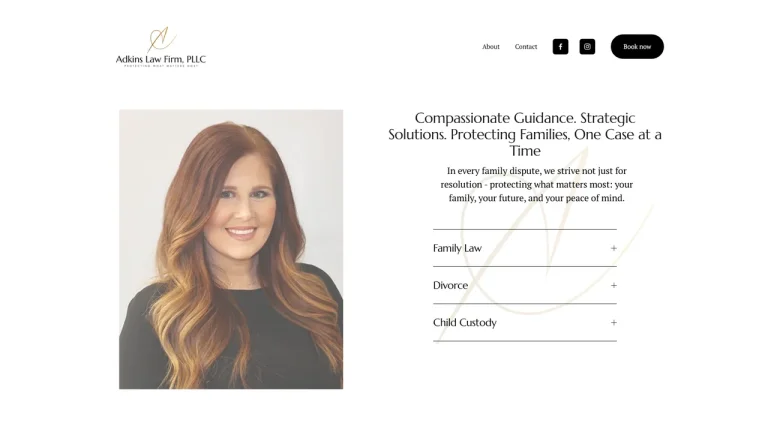
Adkins Law Firm, PLLC - Charleston, WV

Michael T. Clifford, Attorney at Law - Charleston, WV

Charnock and Charnock - Charleston, WV
Jason Lord Law Office - Charleston, WV
Sharon Childers Law - Charleston, WV

Raymond Keener III, Attorney at Law - Charleston, WV

Pritt & Spano, PLLC - Charleston, WV
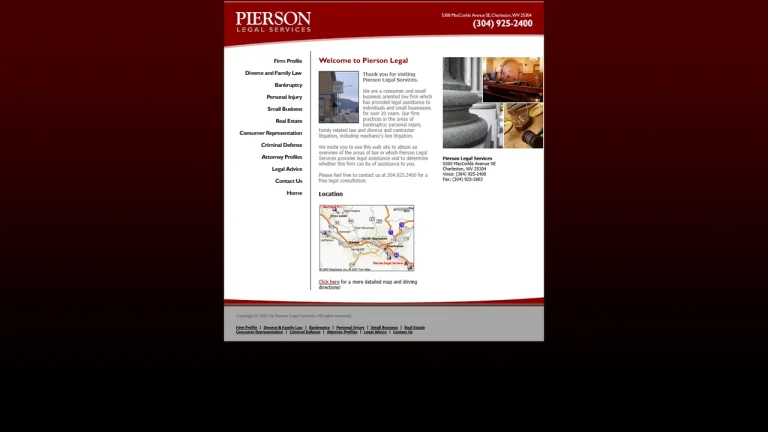
Pierson Legal Services - Charleston, WV

Todd W. Reed, Attorney at Law - Charleston, WV
Lyne Ranson Law Offices, PLLC - Charleston, WV

Law Office of Julia B. Shalhoup - Charleston, WV
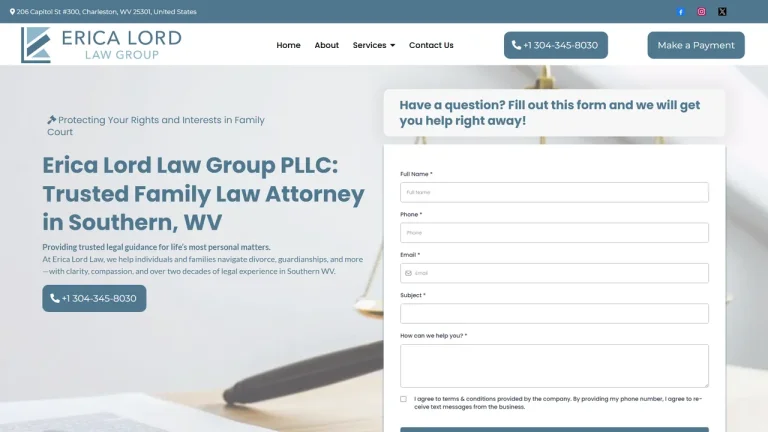
Erica Lord Law Group, PLLC - Charleston, WV
Law Office of Scott E. Elswick - Charleston, WV
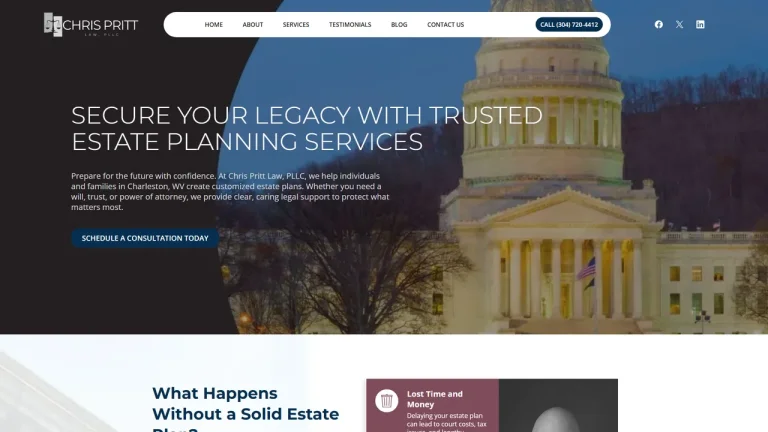
Chris Pritt Law, PLLC - Charleston, WV
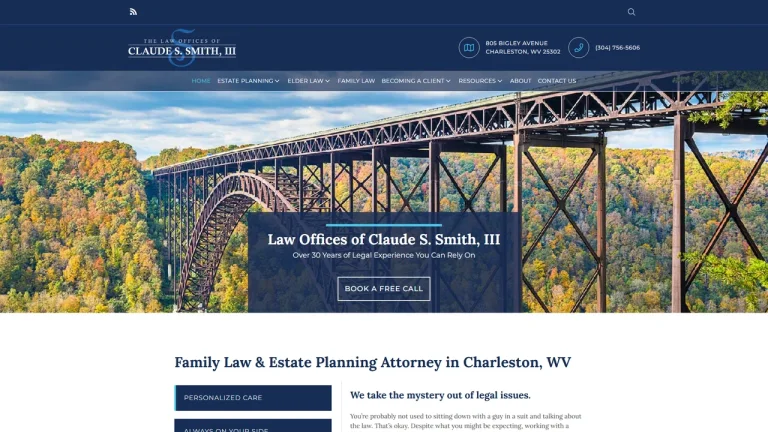
The Law Offices of Claude S. Smith, III - Charleston, WV
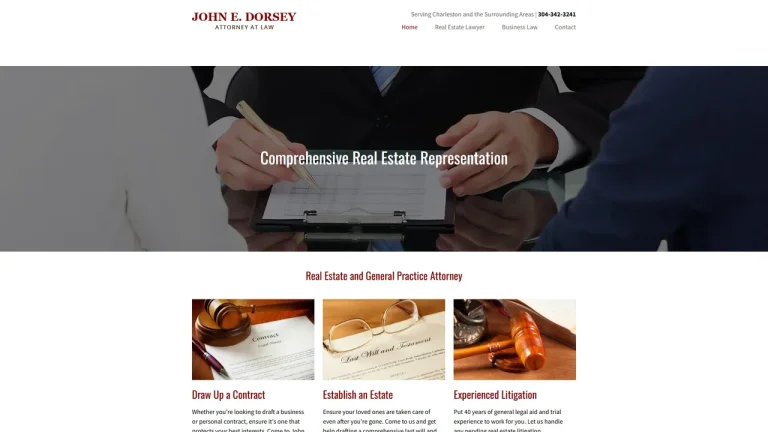
John E. Dorsey Attorney At Law - Charleston, WV

Wooton, Davis, Hussell & Johnson, PLLC - Charleston, WV
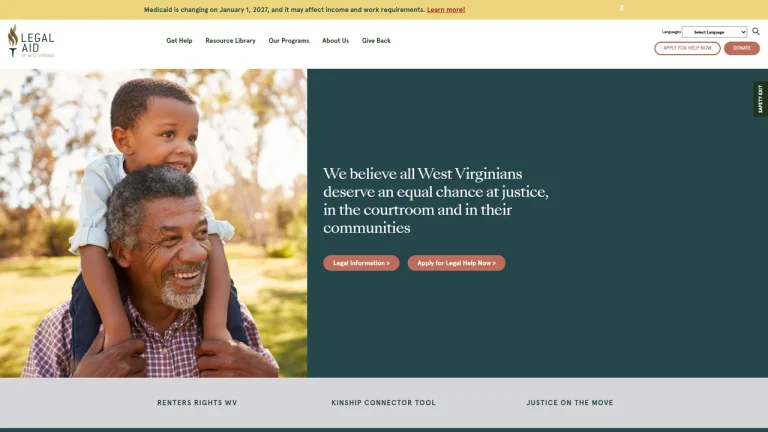
Legal Aid of West Virginia Inc - Charleston, WV

Carrico Law Offices, LC - Charleston, WV

Navigating Divorce in Kanawha County Family Court
Filing for marital dissolution in Charleston requires strict adherence to West Virginia domestic relations procedures. Family law actions in the capital city fall under the exclusive jurisdiction of the 11th Family Court Circuit of West Virginia, headquartered in the Kanawha County Judicial Building on Court Street in downtown Charleston. Any subsequent appellate reviews proceed through the Intermediate Court of Appeals of West Virginia or the Supreme Court of Appeals of West Virginia at the State Capitol Complex along Kanawha Boulevard.
Marital dissolution proceedings for residents across Kanawha County-including communities such as South Hills, Kanawha City, Edgewood, Fort Hill, Cross Lanes, and St. Albans-frequently involve complex financial disclosures. Spouses must address significant marital estates containing West Virginia Public Employees Retirement System accounts, private pensions, business equities, and residential real estate. Navigating these matters requires an attorney who understands the local expectations of Kanawha County family court judges and commissioners.
A qualified Charleston divorce lawyer provides decisive guidance through early financial disclosure, temporary relief hearings, and statutory settlement conferences. By emphasizing thorough pretrial discovery and court-approved mediation, a local advocate works to resolve contested property disputes and alimony issues amicably, minimizing unnecessary courtroom litigation and safeguarding your long-term economic stability.
Divorce Legal Fee Structures and Cost Factors in Charleston
| Case Scenario | Fee Structure | Estimated Cost (USD) | Key Cost Determinants |
|---|---|---|---|
| Uncontested No-Fault Divorce Filing | Flat Fee or Modest Retainer | $1,200 - $3,500 | Mutual consent, pre-drafted marital settlement agreement, complete financial disclosure waiver |
| Contested Equitable Property & Debt Division | Hourly Billing ($250 - $450/hr) | $4,500 - $16,000+ | Real estate appraisals, business asset valuation, tracing separate vs marital property |
| Complex Spousal Support & Retirement Division | Hourly Billing ($275 - $475/hr) | $6,000 - $20,000+ | QDRO drafting, actuarial pension analysis, vocational evaluation for rehabilitative alimony |
| Emergency Temporary Relief & Injunction Proceedings | Hourly Retainer Drawdown | $2,500 - $7,500 | Pendente lite support petitions, exclusive possession of marital domicile, emergency hearings |
Critical Legal Deadlines & Statutes in West Virginia
Establishing jurisdiction for divorce in Charleston requires satisfying statutory residency requirements set forth in W. Va. Code § 48-5-105. If the marriage occurred in West Virginia, at least one spouse must be an actual bona fide resident at the time of commencement. If the marriage took place outside West Virginia, at least one spouse must have maintained continuous state residency for at least one full year preceding the petition.
West Virginia allows spouses to seek dissolution on no-fault grounds of irreconcilable differences pursuant to W. Va. Code § 48-5-201, or following continuous voluntary separation without cohabitation for one full year under W. Va. Code § 48-5-202. The distribution of marital property is governed strictly by equitable distribution rules under W. Va. Code § 48-7-101, establishing a statutory presumption that all assets and liabilities accumulated during the marriage must be divided equally. Determining entitlement to spousal support and duration relies on the statutory factors outlined in W. Va. Code § 48-6-301.
Magistrate Court Lack of Jurisdiction vs. Family Court Representation
Under W. Va. Code § 50-2-1, Magistrate Courts in Kanawha County maintain zero legal authority or jurisdiction over divorce, separate maintenance, or marital property dissolution. All divorce petitions must be instituted in the Family Court system. While individuals have the legal right to represent themselves pro se, doing so carries substantial procedural and financial risks.
Marital dissolution involves rigorous procedural deadlines, complex evidentiary standards, and permanent property waivers. Self-represented litigants frequently make catastrophic mistakes when valuing deferred compensation, failing to file required Qualified Domestic Relations Orders, or omitting crucial language from marital separation agreements. Because equitable distribution orders cannot be modified after entry of a final decree, retaining an experienced Charleston divorce attorney is critical to protecting your lifetime financial interests.
Red Flags When Hiring a Charleston Divorce Lawyer
- Attorneys who guarantee precise spousal support dollar amounts or promise that you will retain all marital real estate before conducting financial discovery.
- Law firms that lack demonstrable experience dividing West Virginia state retirement accounts or drafting court-approved Qualified Domestic Relations Orders.
- Lawyers who push for aggressive courtroom warfare while actively discouraging cost-effective, court-sanctioned mediation options.
- Vague billing practices that fail to provide itemized monthly accounting of hourly retainer deductions and filed motion expenses.
Frequently Asked Questions
What are the residency requirements to file for divorce in Charleston?
If you were married in West Virginia, you or your spouse must reside in the state at the time of filing. If you were married outside the state, at least one spouse must have resided continuously in West Virginia for at least one full year immediately before filing.
How does West Virginia divide assets and debts in a divorce?
West Virginia is an equitable distribution state. Under state law, the court presumes that all property and debts acquired by either spouse during the marriage should be divided equally, while separate property acquired prior to marriage or via gift remains individual property.
What is the difference between no-fault and fault-based divorce in Kanawha County?
A no-fault divorce is based on irreconcilable differences or voluntary one-year separation, requiring no proof of misconduct. Fault grounds include adultery, cruel treatment, or abandonment, which can influence alimony awards though they require strict evidentiary proof in court.
Can I receive temporary financial support while my Charleston divorce is pending?
Yes. Either spouse can request a temporary relief hearing in Kanawha County Family Court. The judge can award pendente lite spousal support, order temporary payment of marital bills, and award temporary exclusive possession of the marital home during litigation.
Can a finalized property settlement agreement be modified later?
No. While child support and parenting plans remain subject to post-decree modification based on changing circumstances, equitable distribution of marital property and debt division orders are final and cannot be reopened absent proven fraud.