
Residential Real Estate Lawyers in West Virginia
Retaining a residential real estate lawyer in West Virginia protects your home investment and secures clear title under state law. Skilled attorneys resolve purchase disputes and title defects through negotiation, avoiding costly courtroom battles. Explore our verified directory below to schedule a consultation with a trusted West Virginia real estate attorney.

Bailey & Slotnick, PLLC - Charleston, WV

Campbell Woods PLLC - Charleston, WV

Price Law Office - Charleston, WV
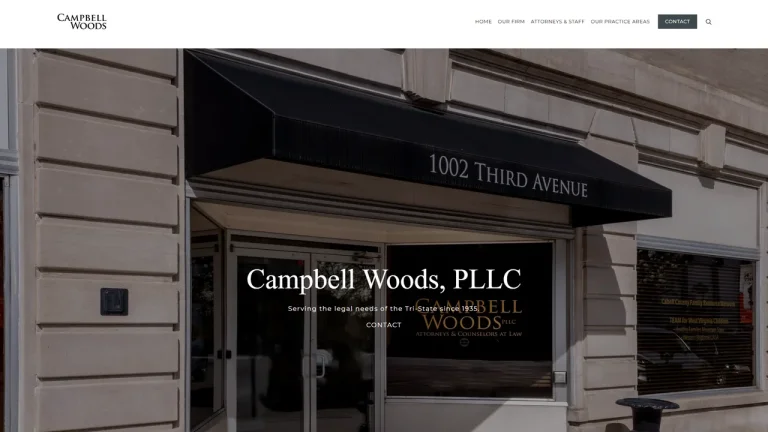
Campbell Woods, PLLC - Huntington, WV
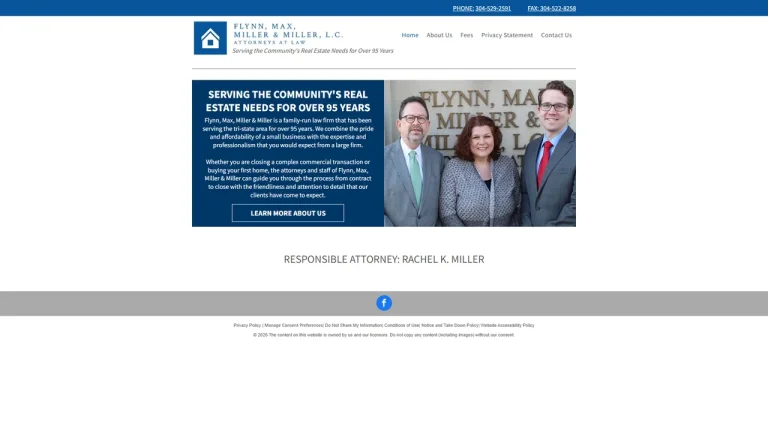
Flynn, Max, Miller & Miller, L.C. - Huntington, WV

Caldwell & Riffee, PLLC - Charleston, WV

Henderson, Henderson & Staples, LC - Huntington, WV

Shaffer Law PLLC - Charleston, WV
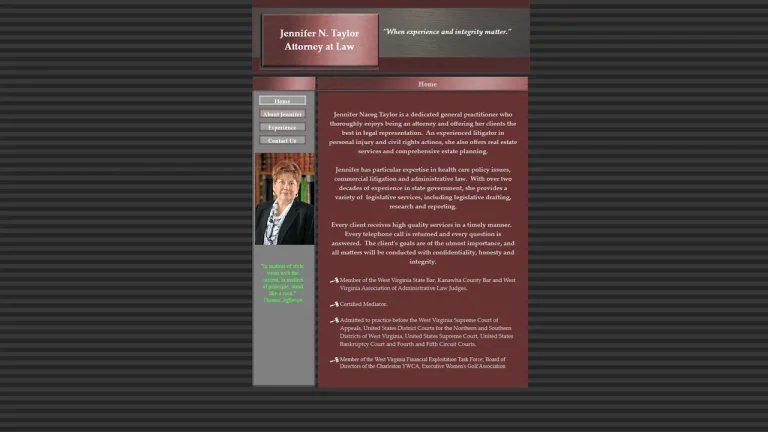
Jtaylor Law - Charleston, WV

David S. Hughart (Ray, Winton & Kelley, PLLC) - Charleston, WV

Elmore & Elmore, Attorneys at Law - Charleston, WV
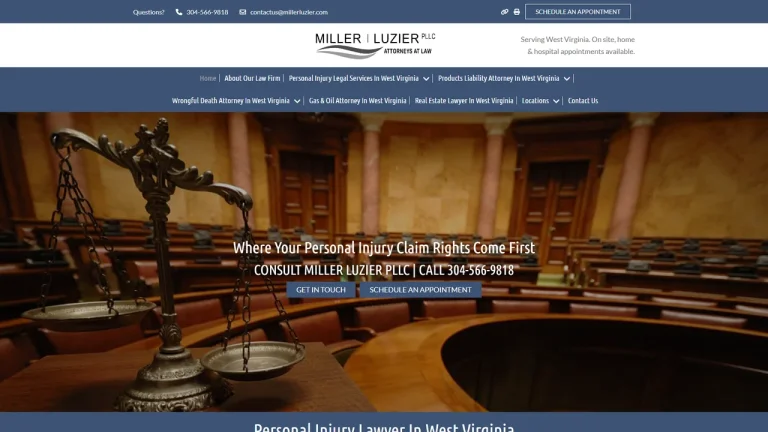
Miller Luzier PLLC - Charleston, WV
Barth & Thompson - Charleston, WV

Hanna & Hanna PLLC - Charleston, WV

Edwards, Klein, Anderson & Shope, PLLC - Huntington, WV
Michael K. Wallace, Attorney at Law - Charleston, WV
Larry L Rowe - Charleston, WV

Legal Aid of West Virginia Inc - Charleston, WV
Hughart Law Office - Charleston, WV

Law Office of Kimberly E. McGann - Huntington, WV
Frazier & Oxley, L.C. - Huntington, WV
Robinson & McElwee PLLC - Charleston, WV

Go Title PLLC - D. Kevin Moffatt - Charleston, WV
Navigating Residential Property Transactions Across West Virginia
Purchasing or conveying residential property in West Virginia requires navigating distinct legal requirements governing deed formalities, closing certifications, and title examinations. From historic homes in Charleston and Wheeling to growing residential communities in Morgantown, Martinsburg, and Huntington, real estate transactions are recorded at the County Clerk offices across West Virginia's 55 counties.
Under West Virginia State Bar legal ethics rulings, title examination and closing oversight require attorney involvement to certify marketable title and prevent the unauthorized practice of law. When boundary conflicts, undisclosed structural defects, or quiet title disputes arise, actions proceed before the West Virginia Circuit Courts, which hold general jurisdiction under W. Va. Code § 51-2-2.
Retaining an attorney admitted to the West Virginia State Bar ensures that surface estate transfers and severed mineral interests are comprehensively investigated. Local counsel reviews deeds of trust, verifies compliance with property disclosure statutes, manages county recording filings, and negotiates out-of-court resolutions to protect homeowners from future title clouding.
Legal Fee Structures for West Virginia Residential Real Estate
| Case Scenario | Fee Structure | Estimated Cost (USD) | Key Cost Determinants |
|---|---|---|---|
| Residential Title Search & Closing Oversight | Flat Fee | $850 - $2,200 | Chain of title complexity, county clerk recording fees, and title insurance issuance. |
| Purchase Agreement Drafting & Disclosure Review | Flat Fee / Hourly | $450 - $1,500 | Custom contingency drafting, inspection resolution, and review under W. Va. Code § 37-12-3. |
| Boundary Dispute Negotiation & Quiet Title Action | Hourly ($250 - $450/hr) | $3,500 - $12,000 | Professional survey boundary audits, adverse possession claims, and Circuit Court pleadings. |
| Latent Defect & Seller Disclosure Litigation | Hourly / Retainer | $7,500 - $25,000+ | Expert home inspection testimony, repair cost documentation, and trial preparation under W. Va. Code § 37-12-6. |
Critical Legal Deadlines & Statutes in West Virginia
Under W. Va. Code § 37-12-3, residential property sellers must deliver a completed Property Condition Disclosure Statement before the purchaser signs the purchase agreement. If a seller fails to disclose or intentionally misrepresents known defects, the purchaser may bring an action under W. Va. Code § 37-12-6 within one year from the date the purchaser received the disclosure statement or the date of closing, whichever occurs first.
Under W. Va. Code § 55-2-6, actions founded on written contracts-including residential purchase agreements and deeds of trust-must be filed within 10 years, while oral agreements carry a 5-year limitations period. For latent fraud or property damage claims outside the disclosure act, the general two-year tort limitations period under W. Va. Code § 55-2-12 applies from the date of discovery. Under W. Va. Code § 55-2-1, actions for the recovery of real property must be brought within 10 years after the right accrued, establishing West Virginia's 10-year statutory period for adverse possession and prescriptive easements. Deeds must be acknowledged before recording under W. Va. Code § 39-1-2.
Magistrate Court Limits vs. Circuit Court Real Estate Advocacy
In West Virginia, Magistrate Courts exercise limited civil jurisdiction capped at $10,000 under W. Va. Code § 50-2-1. However, W. Va. Code § 50-2-1 explicitly prohibits Magistrate Courts from deciding actions where the title to real estate is in dispute or determining real property boundary lines.
Consequently, quiet title actions, adverse possession claims, boundary line disputes, partition lawsuits, and deed reformation must be litigated exclusively in the West Virginia Circuit Courts under W. Va. Code § 51-2-2. Attempting to resolve residential property disputes without legal counsel exposes buyers and sellers to catastrophic title clouds, unenforceable deeds of trust, or unaddressed severed mineral rights. While minor earnest money disputes under $10,000 can technically be filed in Magistrate Court, complex title defects, non-judicial foreclosure challenges under W. Va. Code § 38-1-3, and seller nondisclosure lawsuits require full discovery, expert boundary surveys, and equitable remedies available only through Circuit Court representation.
Red Flags When Selecting a West Virginia Residential Real Estate Lawyer
- Failing to examine severed mineral estates, oil and gas leases, or surface use rights under W. Va. Code § 22-6B-1 during the title search.
- Title searchers or closing companies that conduct settlement without direct oversight and certification from an attorney licensed by the West Virginia State Bar.
- Missing the strict one-year statute of limitations for filing seller property disclosure claims under W. Va. Code § 37-12-6.
- Quoting low flat closing fees that conceal hidden administrative charges, title abstract surcharges, or courier fees.
Frequently Asked Questions
Is an attorney required for a real estate closing in West Virginia?
Under West Virginia State Bar ethics opinions and state real property standards, a licensed West Virginia attorney must conduct or directly supervise title examinations, document preparation, and closing procedures to certify marketable title.
What is the seller disclosure requirement in West Virginia?
Under W. Va. Code § 37-12-3, sellers of residential real estate must complete a mandatory Property Condition Disclosure Statement disclosing known defects regarding structural components, water supply, sewage, and environmental hazards.
How long do I have to sue for undisclosed defects in West Virginia?
Under W. Va. Code § 37-12-6, an action alleging a violation of the Residential Real Estate Property Condition Disclosure Act must be filed within one year from the date the disclosure statement was delivered or the closing date, whichever is earlier.
What is a severed mineral estate in West Virginia?
In West Virginia, ownership of subsurface minerals (coal, oil, and gas) can be severed from the surface estate. A surface property owner may not own the underlying mineral rights, which are governed by the Surface Owners' Protection Act under W. Va. Code § 22-6B-1.
How does foreclosure work in West Virginia?
West Virginia predominantly uses non-judicial foreclosures under deeds of trust. The appointed trustee conducts a public sale pursuant to W. Va. Code § 38-1-3 after providing statutory notice to the borrower under W. Va. Code § 38-1-4.