
Top Legal Resources in the United States
Accessing premier public legal resources in the United States requires navigating complex federal, state, and county institutional frameworks. Open records statutes and constitutional procedural safeguards guarantee citizens lawful access to judicial dockets and official registries. Explore our comprehensive national directory below to locate verified public legal institutions and agency offices.





US Army Corps of Engineers (Caven Point Marine Terminal) - Jersey City, NJ
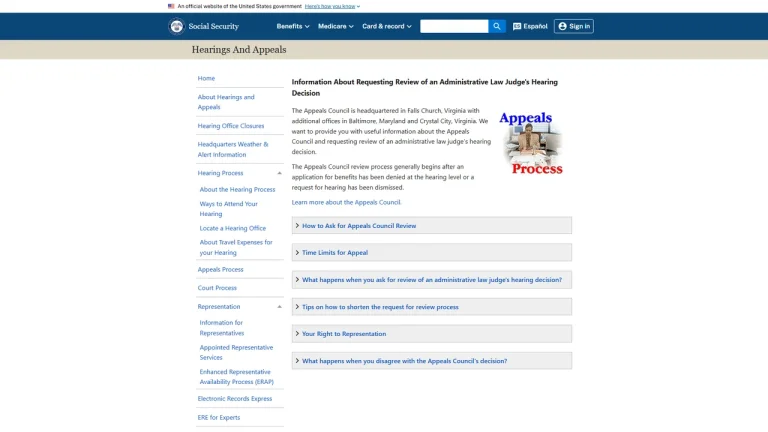

NYC Department of Citywide Administrative Services - Real Estate Services - New York, NY
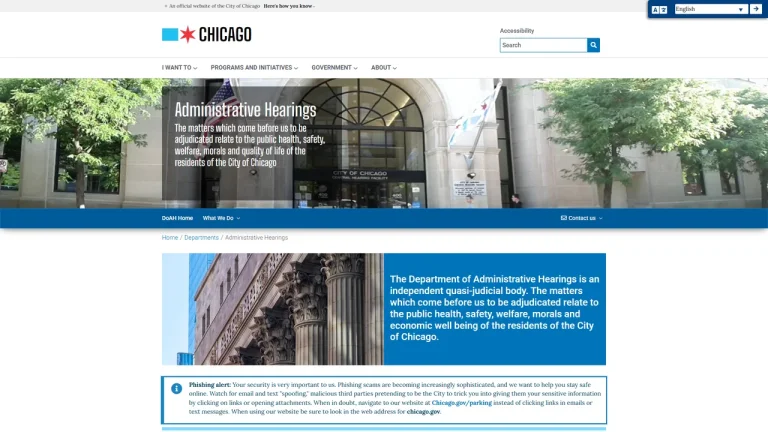
The Architecture of Public Legal Infrastructure in the United States
The public legal system in the United States encompasses thousands of statutory institutions organized across national, state, and municipal jurisdictions. Operating under constitutional principles of separation of powers, these institutions include federal district and appellate courts, state court systems, executive regulatory agencies, and county-level administrative offices.
Federal resources, overseen by the Judicial Conference of the United States and federal executive departments, provide uniform governance across matters involving constitutional law, intellectual property, immigration, and federal taxation. State departments govern criminal justice codes, corporate entity charters, driver licensing, and professional credentialing.
Municipal and county bodies provide essential frontline legal administration across all fifty states. County clerks, registers of deeds, and local sheriffs maintain land evidence records, civil judgment dockets, and correctional operations, ensuring transparent access to public records and administrative processes.
Key Public Administrative Services, Requirements & Timelines
| Service / Matter | Required Documents / Prerequisites | Statutory Fee (USD) | Processing Timeline |
|---|---|---|---|
| Federal Court Electronic Record Access (PACER) | Registered PACER user credentials, case number or party name | $0.10 per page ($3.00 cap per document) | Instantaneous electronic access |
| State Business Entity Formation (LLC) | Articles of Organization, registered agent details, corporate name | $50 - $300 statutory state fee | 24 hours online to 2 weeks |
| Certified Vital Record Issuance | State photo ID, proof of direct tangible interest, application form | $12 - $35 statutory copy fee | 1 to 3 business weeks |
| County Real Property Instrument Recording | Original notarized instrument, legal property description, recording sheet | $30 - $130 base statutory fee | Same day to 48 hours |
Critical Legal Deadlines & Statutes in the United States
Administrative and judicial interactions across United States institutions are bound by strict statutory timelines. Under the federal Freedom of Information Act, 5 U.S. Code § 552, agencies must issue an initial determination on public records requests within 20 working days, subject to a narrow 10-day extension under unusual circumstances.
Judicial review of federal administrative decisions is controlled by the Administrative Procedure Act under 5 U.S. Code § 704, which mandates that a litigant exhaust all available administrative remedies within agency-specified deadlines prior to filing an action in federal district court.
Personal injury or property claims against federal departments are governed by the Federal Tort Claims Act under 28 U.S. Code § 2401(b), requiring presentment of Form SF-95 within 2 years of accrual, and filing in federal court within 6 months following formal denial. In state civil proceedings subject to removal, 28 U.S. Code § 1446(b) mandates that a notice of removal to federal district court must be filed within strictly 30 days after the defendant receives the initial pleading.
Self-Guided Public Access vs. Retaining Legal Counsel
Members of the public can independently search federal PACER databases, review state legislative registers, register business names via state online portals, obtain certified copies of vital records, and submit routine public records inquiries without retaining private legal counsel.
When administrative interactions involve formal regulatory enforcement, license suspension hearings, property zoning variances, complex commercial entity structuring, or criminal proceedings, retaining an attorney licensed in the relevant state or federal jurisdiction is imperative. Legal counsel is essential for navigating the Federal Rules of Civil Procedure, presenting administrative appeals before regulatory boards, and litigating claims against government bodies under state or federal tort claims acts.
Consumer Warnings & Public Agency Red Flags
- Deceptive commercial portals charging $50 or more to download standard government forms that federal and state agencies provide completely free of charge.
- Unofficial websites charging private markups for business entity filings or corporate certificates of existence that cost minimal statutory fees on official state portals.
- Telephone or email solicitations threatening immediate arrest or bank seizures for alleged unpaid federal or state tax debts, which government agencies never demand via gift cards or wire transfers.
- Unlicensed non-attorney document preparers offering unauthorized legal counsel in immigration, bankruptcy, or domestic relations proceedings.
Frequently Asked Questions
What distinguishes federal legal resources from state and county resources?
Federal resources handle nationwide matters under constitutional and federal law, while state and county resources manage localized civil disputes, property deeds, criminal offenses, and vital statistics.
How can I verify the legitimacy of a government agency website?
Legitimate federal and state agency websites in the United States typically end in the official .gov domain extension and provide verifiable physical office addresses and direct telephone contacts.
What is PACER, and how does the public access federal court records?
PACER (Public Access to Court Electronic Records) is an electronic public service that allows users to obtain case and docket information from federal appellate, district, and bankruptcy courts.
What are the typical deadlines for filing an administrative appeal against a government agency?
Deadlines vary by agency, but most federal and state administrative procedures require written notices of appeal to be submitted within 30 to 60 calendar days following the adverse decision.
Can I prepare and record legal documents without an attorney?
Yes, individuals can self-prepare and submit standard property deeds, business registrations, and vital records requests, provided the documents comply with statutory formatting and notarization laws.