
Vital Records (Birth & Death Certificates) in Vermont
Obtaining certified vital records in Vermont requires working with the Vermont Department of Health or designated municipal Town Clerks across the state. Whether securing certified birth certificates for legal identification or death records for estate administration, state procedures protect vital privacy. Browse our statewide directory below to connect with local town clerks, health offices, and legal professionals.
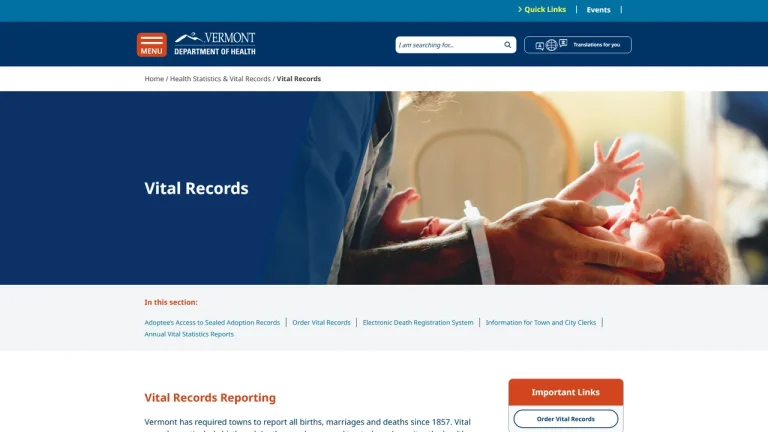

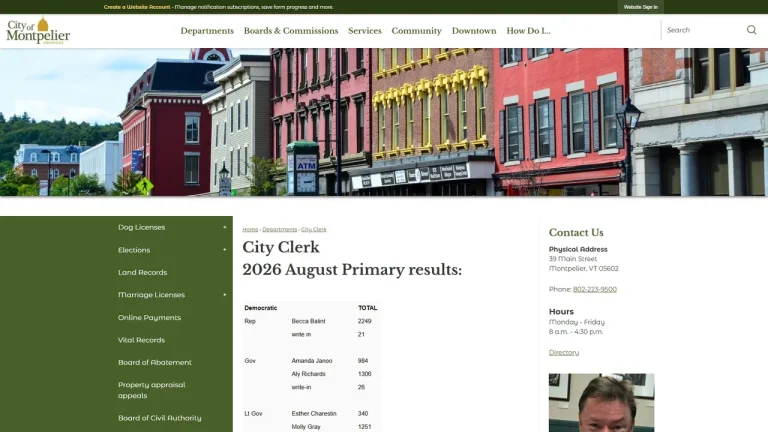
Vital Statistics Governance and Custodial Repositories in Vermont
In Vermont, the recording, preservation, and certified issuance of vital records-including birth, death, marriage, and civil union certificates-is administered through a collaborative framework between state repositories and municipal town clerks. The central state authority is the Vermont Department of Health Vital Records Office, located in Burlington. Historical vital events recorded prior to contemporary electronic systems are archived and maintained by the Vermont State Archives and Records Administration, a division of the Secretary of State located in Middlesex near Montpelier.
A unique hallmark of Vermont public administration is its town-centric governance. Under statewide electronic vital records systems, certified birth and death certificates can be obtained from any municipal Town Clerk office across the state 251 cities and towns, regardless of where the event occurred. Whether you visit the Town Clerk in Burlington, Montpelier, Rutland, Brattleboro, or Essex, authorized individuals can access certified records issued with the official raised municipal or state seal under uniform statutory requirements.
Access to certified vital records in Vermont is strictly regulated to protect personal privacy and prevent identity theft. Certified copies are required for legal name changes, passport applications, real estate transfers, probate proceedings in the Vermont Superior Court, and survivor benefit claims. Ensuring compliance with state relationship proof standards guarantees prompt processing through local municipal offices and the Department of Health.
Vital Records Services, Application Prerequisites, and Statutory Fees
| Service / Matter | Required Documents / Prerequisites | Statutory Fee (USD) | Processing Timeline |
|---|---|---|---|
| Certified Birth Certificate Issuance | Standard vital application, valid government photo ID, proof of eligible direct relationship | $10.00 statutory fee per copy | Same-day walk-in at Town Clerk; 5-10 business days via VDH |
| Certified Death Certificate Issuance | Application form, government photo ID, proof of direct familial or legal estate interest | $10.00 statutory fee per copy | Same-day at Town Clerk; 5-10 business days via VDH |
| Birth Certificate Paternity Amendment | Notarized Voluntary Acknowledgment of Parentage or Superior Court parentage order | $10.00 amendment fee + $10.00 certificate fee | 4-6 weeks for state health department processing |
| Archival & Genealogical Record Search | VSARA search form, ancestor event details (records older than statutory privacy periods) | $10.00 certified copy ($0.00 in-person self-search) | Immediate in-person; 2-3 weeks by mail |
Critical Legal Deadlines & Statutes in Vermont
Vital record administration in Vermont is strictly governed by statutory timelines codified in Title 18 of the Vermont Statutes Annotated. Under 18 V.S.A. § 5016, certified copies of birth and death certificates may only be issued to eligible individuals, including the registrant, spouse, child, parent, sibling, grandparent, legal guardian, or an attorney representing the estate or registrant. Anyone requesting a certified copy must present government-issued identification or approved secondary documentation satisfying state identification standards.
Mandatory reporting deadlines ensure the integrity of the state vital registry. Under 18 V.S.A. § 5071, a birth certificate must be filed by the delivering hospital, birthing center, or attending physician within ten business days after the live birth occurs. For death records, 18 V.S.A. § 5202 requires the attending medical provider or state medical examiner to complete and electronically certify the medical cause of death within twenty-four hours after death. Furthermore, if an application for public informational vital records is denied, administrative appeals under the Vermont Public Records Act must follow the timetables established in 1 V.S.A. § 318.
Direct Agency Access vs. Legal Counsel
Citizens can handle routine vital records requests directly without legal counsel. Ordering personal certified birth certificates, obtaining certified death certificates for life insurance payouts, securing certified marriage certificates from a municipal town clerk, and conducting ancestral family research at the Vermont State Archives are standardized public functions designed for direct citizen access.
Conversely, retaining an experienced Vermont probate or family law attorney is essential when vital records involve legal disputes. Legal counsel is necessary when establishing parentage or amending birth records through formal parentage petitions in the Vermont Superior Court Family Division, securing a delayed birth registration by court decree under 18 V.S.A. § 5075, petitioning the Superior Court Probate Division to rectify contested information on decedent death records, or resolving competing estate claims where legal heirship is challenged.
Red Flags & Vital Records Warning Signs
- Predatory Online Resellers: Beware of unauthorized third-party commercial platforms charging $40 to $80 in service markups to order Vermont birth or death certificates. Official certified copies cost exactly $10 per copy directly from any Vermont Town Clerk or the Department of Health.
- Non-Compliant Identification Pitfalls: Submitting vital record requests without acceptable government photo identification or verified secondary identity documents under state law will result in application rejection.
- Informational versus Certified Document Confusion: Ensure you request a certified copy bearing the official raised municipal or state seal if the document is intended for passport issuance, court probate, or official motor vehicle licensing.
- Unofficial Parentage Document Kits: Private online parentage forms are legally ineffective; parentage amendments must be executed via official state Voluntary Acknowledgment forms or certified Superior Court orders.
Frequently Asked Questions
Where can I obtain a certified birth or death certificate in Vermont?
You can obtain a certified birth or death certificate from any municipal Town Clerk office in Vermont or directly from the Vermont Department of Health Vital Records Office in Burlington.
What is the statutory fee for a certified vital record in Vermont?
Under Vermont state law, the statutory fee for a certified copy of a birth, death, or marriage certificate is ten dollars per copy when ordered through a town clerk or the Department of Health.
Who is legally permitted to obtain a certified copy of a Vermont birth certificate?
Certified copies are restricted to the person named on the certificate, their parent, child, sibling, spouse, grandparent, legal guardian, or an authorized legal representative providing valid photo identification.
How do I search for historical or archival vital records in Vermont?
Historical vital records recorded prior to contemporary registry systems can be researched through municipal town clerk archives or the Vermont State Archives and Records Administration in Middlesex.
When do I need an attorney to modify a Vermont vital record?
An attorney is recommended when vital record changes require a formal court order from the Vermont Superior Court, such as contested paternity determinations, delayed birth certificates, or disputed decedent information in probate proceedings.