
Legal Resources in Vermont
Accessing verified Vermont legal resources connects citizens with state courts, regional correctional centers, county clerk offices, and public vital records. Understanding public access procedures enables residents to inspect court dockets, submit public records requests, and navigate state agency filings efficiently. Explore our comprehensive statewide directory below to find verified contact information, courthouse locations, and procedural guidelines for Vermont institutions.






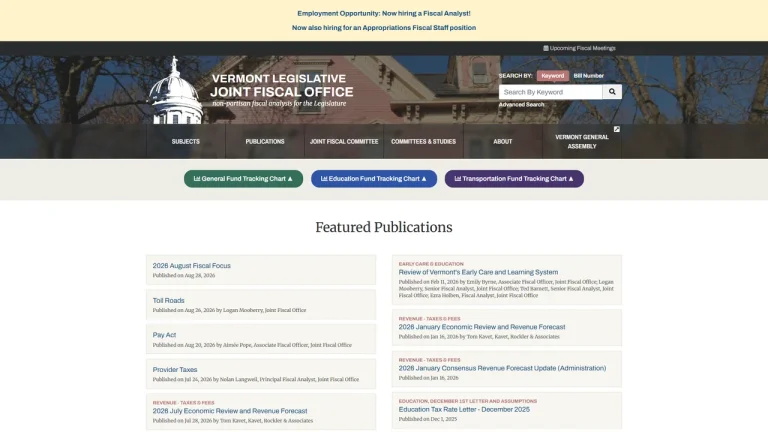
Vermont Commission on the Administration of Justice - Montpelier, VT

Vermont Department of Housing and Community Development - Montpelier, VT
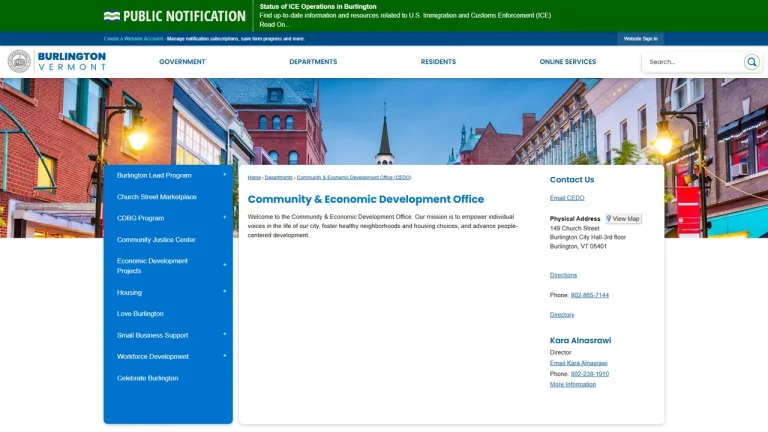
Community and Economic Development Office (CEDO) - Burlington, VT


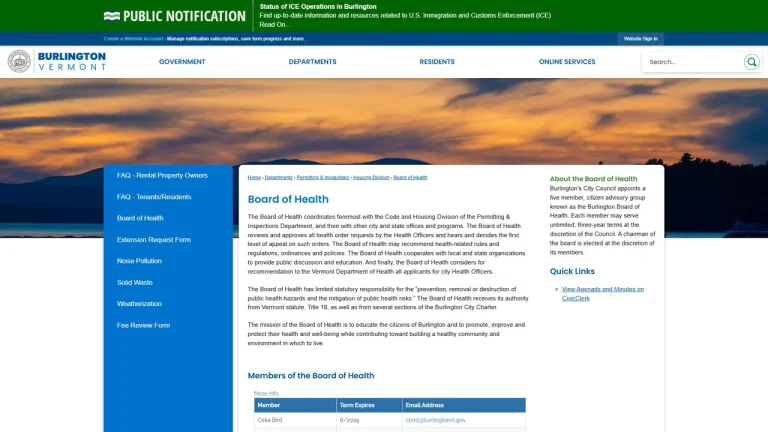
Burlington Board of Health: Permitting and Inspections - Burlington, VT
The Architecture of Vermont Public Legal and Government Institutions
The State of Vermont maintains a transparent, community-oriented system of public legal and governmental institutions established to guarantee constitutional due process, open records access, and equitable administration of justice. From the State House in Montpelier to county and municipal offices across fourteen counties, citizens interact with public agencies for judicial proceedings, deed recordings, and vital records issuances. Understanding the jurisdictional roles of county courthouses, regional correctional centers, and administrative departments ensures effective access to public resources.
The judicial authority of the Green Mountain State is structured under a unified court system led by the Vermont Supreme Court in Montpelier, the court of last resort. Primary trial authority is consolidated within the Vermont Superior Court, which operates across fourteen county units, including the Chittenden Unit in Burlington, Washington Unit in Montpelier and Barre, Rutland Unit, Windham Unit in Brattleboro, and Windsor Unit in Woodstock. The Superior Court is organized into specialized divisions: Civil, Criminal, Family, Environmental, and Probate.
Public safety and detention facilities are administered directly at the state level by the Vermont Department of Corrections, which oversees regional correctional facilities for both pretrial detainees and sentenced individuals, while elected County Sheriffs primarily provide courtroom security and civil process service. Executive agencies such as the Vermont Department of Health Vital Records office and the Vermont Department of Motor Vehicles manage statutory civil registries and vehicle licensing statewide.
Statutory Fees and Service Timelines for Vermont Public Services
| Service / Matter | Required Documents / Prerequisites | Statutory Fee (USD) | Processing Timeline |
|---|---|---|---|
| Certified Vital Records Copy (Birth, Death, Marriage) | Government-issued photo identification and formal application | $10.00 per certified copy | Same-day walk-in at town clerks; 2 - 4 weeks via state office |
| Vermont Public Records Act Request | Written request identifying specific public records | Free examination; standard statutory reproduction costs apply | Strictly 3 business days statutory response (up to 10 days for unusual circumstances) |
| Superior Court Case Docket Searches & Certified Copies | Docket number or party name via Vermont Judiciary Odyssey portal | $0.25 per page / $5.00 clerk certification fee | Immediate online search; 2 - 4 business days for certified paper records |
| Pretrial Bail Processing & Correctional Center Release | Valid photo identification, court bail order, and cash or surety | Court-ordered bail sum + nominal court administrative fees | 2 - 5 hours post-arraignment processing |
Critical Administrative Deadlines & Statutes in Vermont
Navigating public agency requests and governmental claims in Vermont demands compliance with precise statutory timelines. Access to governmental documents is governed by the Vermont Public Records Act codified under 1 V.S.A. § 318. A public records custodian must respond to an inspection or copying request promptly, and no later than three business days from receipt. If fulfilling the request requires searching across multiple facilities or voluminous files, the agency may invoke a statutory extension not to exceed ten business days by providing written notice.
For individuals pursuing personal injury or property damage claims against the state or its departments, proceedings are controlled by the Vermont Tort Claims Act under 12 V.S.A. § 5601. While actions are filed in the Vermont Superior Court, claims are subject to the general personal injury statute of limitations under 12 V.S.A. § 512, which requires filing within three years from the date the cause of action accrues. Municipal claims against town governments, such as highway defect notices, must strictly follow statutory notice provisions under 19 V.S.A. § 987 within twenty days of the injury. Missing these mandatory notice windows permanently forfeits claims against municipal bodies.
Direct Agency Access vs. Retaining Legal Counsel in Vermont
Vermont residents can perform various public legal transactions independently without hiring private attorneys. Routine matters such as obtaining certified birth or death records through local Town Clerks, inspecting recorded land instruments in town municipal vaults, filing Public Records Act requests, or paying uncontested traffic fines through the Vermont Judicial Bureau can be conducted directly through public offices.
Conversely, matters involving personal freedom, disputed land titles, or formal civil litigation necessitate experienced legal counsel. Under 12 V.S.A. § 5531, the Small Claims Division of the Vermont Superior Court resolves civil money claims up to $5,000, offering relaxed procedural rules where self-representation is standard. However, for civil claims exceeding $5,000, formal Superior Court litigation in the Civil Division, criminal arraignments, bail review hearings under 13 V.S.A. § 7554, or administrative appeals before state regulatory boards, retaining an attorney admitted to the Vermont Bar is crucial to protecting constitutional rights.
Red Flags and Fraud Warnings for Vermont Legal Resources
- Commercial third-party websites charging high administrative fees for standard Vermont court forms or town clerk records that are provided at nominal statutory costs.
- Telephone scams or deceptive emails claiming to represent the Vermont Department of Taxes or Vermont Judiciary demanding urgent wire payments for fictitious warrants.
- Unaccredited online document filing businesses charging excessive fees to submit basic business or trade name filings available directly through the Vermont Secretary of State.
- Unauthorized legal facilitators offering non-lawyer representation in Vermont Superior Court small claims or family division proceedings.
Frequently Asked Questions
How do I search for court records and case dockets in Vermont?
Public court case dockets and filings can be searched electronically through the Vermont Judiciary public portal on Odyssey File & Serve, or inspected in person at the relevant Superior Court clerk office in the appropriate county unit.
What is the statutory response deadline for a Vermont Public Records Act request?
Pursuant to 1 V.S.A. § 318, a public agency custodian must respond to a public records request within three business days, with an allowance of up to ten business days for complex or voluminous record requests.
What is the monetary ceiling for small claims actions in the Vermont Superior Court?
Under 12 V.S.A. § 5531, the Small Claims Division of the Vermont Superior Court possesses authority over civil matters seeking monetary relief up to $5,000.
Where can I obtain certified copies of birth, marriage, or death certificates in Vermont?
Certified vital records are issued by the local Town Clerk in the town where the vital event occurred or filed, as well as through the Vermont Department of Health Vital Records office in Burlington.
How is the correctional system administered in Vermont?
Vermont operates an integrated state-run correctional system administered by the Vermont Department of Corrections, which directly manages all regional correctional facilities and detention centers statewide.