
Business Formation Lawyers in Chicago
Retaining an experienced Chicago business formation lawyer ensures your commercial enterprise is properly structured, fully compliant, and protected against personal liability. Dedicated legal counsel prepares robust operating agreements, navigates city licensing, and resolves partner disputes proactively through structured mediation. Browse our directory below to connect with qualified corporate attorneys across Chicago.

The Prinz Law Firm - Chicago, IL

Law Office of Tracey N. Duval - Chicago, IL
George C Xamplas Law Office - Chicago, IL

Zimmerman Law Offices - Chicago, IL
Roeser Tanner & Graham LLC - Chicago, IL

Mudd Law - Chicago, IL
Christine M. Hunt P.C. - Chicago, IL

Gordon Rees Scully Mansukhani - Chicago, IL

Lawyers For the Creative Arts - Chicago, IL
Kevin Mitrick, Real Estate Attorney - Chicago, IL

Christopher Hall & Associates - Chicago, IL

Wolff Legal - Chicago, IL

Law Office of Alexis Hart McDowell - Chicago, IL

Gekas Law LLP - Chicago, IL
Goodman Law Group | Chicago

Lempia Summerfield Katz LLC - Chicago, IL
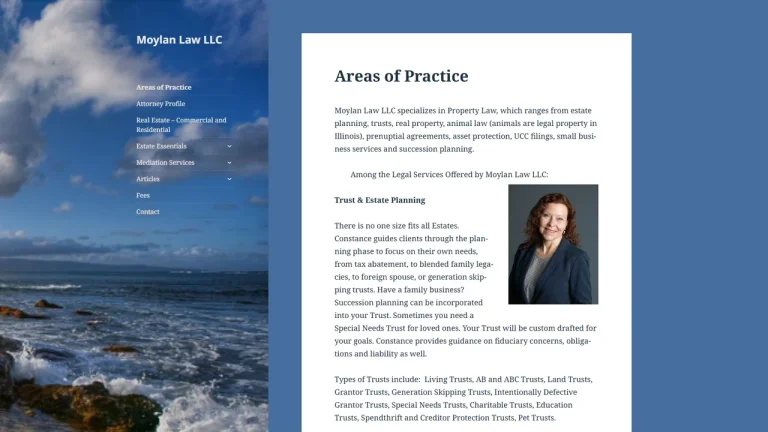
Moylan Law LLC - Chicago, IL
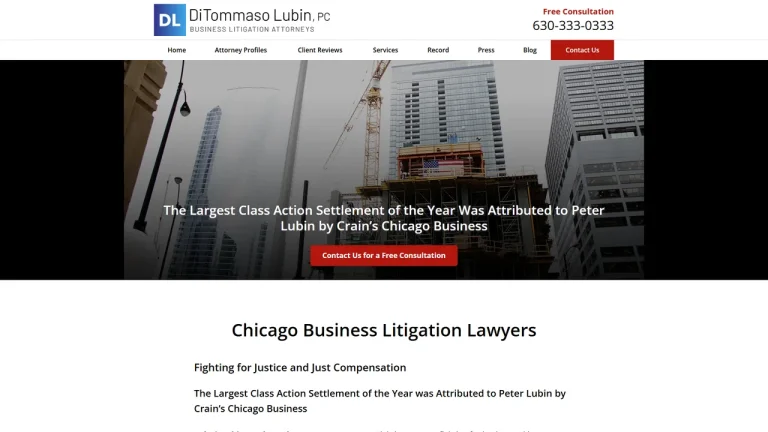
DiTommaso Lubin, PC - Chicago, IL

The Law Project - Chicago, IL
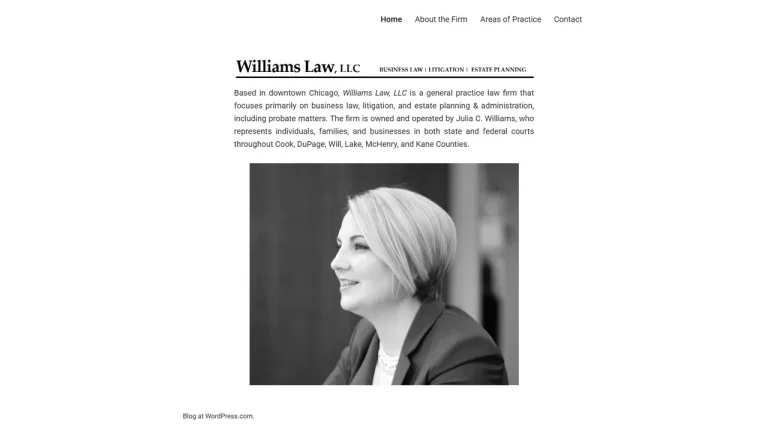
Williams Law, LLC - Chicago, IL

Akerman LLP - Chicago, IL
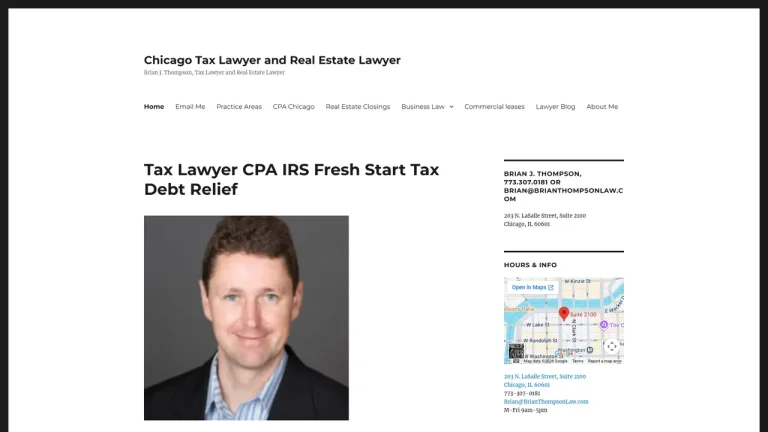
Brian J. Thompson, CPA and Attorney - Chicago, IL

Goldberg Kohn - Chicago, IL

Entity Formation & Corporate Governance in Chicago and Cook County
Establishing a business in Chicago requires strict compliance with Illinois corporate statutes as well as local Cook County and municipal administrative regulations. All formal legal entities-including limited liability companies, corporations, and limited partnerships-must be registered with the Illinois Secretary of State Business Services Division. Entrepreneurs operating in thriving commercial neighborhoods such as the West Loop, River North, Fulton Market, and the Loop must align their legal filings with regional economic regulations.
In addition to state-level registration, businesses located within the City of Chicago must obtain applicable municipal business licenses through the City of Chicago Department of Business Affairs and Consumer Protection (BACP), located at City Hall on 121 North LaSalle Street. Chicago enforces strict zoning codes, public way use permits, and specialized retail and food establishment licensing requirements. Operating without appropriate city licensing can result in administrative closure orders and daily municipal fines.
When equity disagreements, ownership deadlocks, or breach of fiduciary duty disputes occur between co-founders, matters are adjudicated in the Chancery Division of the Circuit Court of Cook County at the Richard J. Daley Center. Retaining a Chicago business formation lawyer ensures that foundational governance agreements-such as LLC operating agreements and corporate bylaws-contain enforceable dispute resolution mechanisms and buy-sell provisions that prevent enterprise paralysis.
Business Formation Legal Fee Structures & Cost Determinants in Chicago
| Case Scenario | Fee Structure | Estimated Cost (USD) | Key Cost Determinants |
|---|---|---|---|
| Single-Member LLC Formation Package | Flat Fee | $800 - $2,000 | Articles of Organization drafting, customized operating agreement, federal EIN registration, and initial City of Chicago BACP review. |
| Multi-Member LLC with Tailored Operating Agreement | Flat Fee | $2,000 - $5,000 | Capital contribution schedules, profit distribution tiers, buy-sell provisions, voting thresholds, and drag-along rights. |
| C-Corporation or S-Corporation Incorporation | Flat Fee or Hourly | $2,500 - $6,500 | Articles of Incorporation, corporate bylaws, shareholder agreements, initial board resolutions, and stock issuance documentation. |
| Professional Service Entity (PLLC or Professional Corporation) | Flat Fee or Hourly | $2,200 - $5,500 | Illinois Department of Financial and Professional Regulation (IDFPR) licensing compliance and professional liability review. |
Critical Legal Deadlines & Statutes in Illinois
Forming and maintaining a compliant legal entity in Illinois involves adherence to specific statutory requirements and ongoing filing deadlines:
- Articles of Organization Requirements: An Illinois LLC is officially formed when Articles of Organization are filed and accepted under the Illinois Limited Liability Company Act at 805 ILCS 180/5-1.
- Operating Agreement Governance: Rights, duties, and management relations among members and managers are governed by the operating agreement pursuant to 805 ILCS 180/15-5.
- Mandatory Annual Report Filings: Under 805 ILCS 180/50-1, Illinois LLCs must file an annual report and pay the required fee prior to the first day of the company's anniversary month to prevent administrative dissolution.
- Corporate Articles of Incorporation: Corporations are established upon filing Articles of Incorporation with the Secretary of State pursuant to 805 ILCS 5/2.10.
- Assumed Business Name Registration: Entities conducting business under an assumed name must register with the Secretary of State and the Cook County Clerk under 805 ILCS 405/1.
Small Claims Limitations vs. Entity Governance in Cook County
Under Illinois Supreme Court Rule 281, the Small Claims Division of Cook County is limited to civil actions seeking monetary damages of $10,000 or less. Small claims courts have zero legal authority to issue injunctions, order partner buyouts, resolve shareholder disputes, or supervise corporate dissolutions.
Founding an entity using generic, unvetted online forms often creates governance vulnerabilities that surface when partner disputes arise. When partners disagree over capital calls or ownership shares, matters must be filed in the Chancery Division of the Circuit Court of Cook County. Engaging an experienced business formation attorney ensures that company agreements include clear mediation protocols, valuation mechanisms, and dispute resolution terms, avoiding protracted and expensive equity litigation.
Red Flags When Hiring a Chicago Business Formation Lawyer
- Generic Boilerplate Agreements: Avoid attorneys who use standard, off-the-shelf templates that do not address Illinois-specific statutory rules under 805 ILCS 180/ or client equity structures.
- Ignoring Local Chicago BACP Regulations: Counsel should provide guidance on city-level requirements, including City of Chicago business licenses, zoning certifications, and municipal tax registrations.
- Unverified Licensing Standing: Verify that prospective corporate attorneys are actively licensed and in good standing with the Illinois Attorney Registration and Disciplinary Commission (IARDC).
- Failure to Outline Maintenance Obligations: A reputable attorney provides clear instruction regarding ongoing compliance requirements, including annual report filings, registered agent services, and corporate record maintenance.
Frequently Asked Questions
Why should I hire an attorney to form an LLC in Chicago instead of using an online filing service?
While online services file basic state forms, they rarely provide customized operating agreements that address member dispute resolution, capital call defaults, or tax structuring. A business formation attorney ensures your company adheres to Illinois statutory requirements and local City of Chicago licensing rules.
What licenses are required to operate a business in the City of Chicago?
Most commercial businesses must secure a General Business License or specialized industry license from the City of Chicago Department of Business Affairs and Consumer Protection (BACP) at City Hall, in addition to obtaining zoning approval and registering for city taxes.
What is the difference between an LLC and an S-Corporation in Illinois?
An LLC is a flexible legal entity created under 805 ILCS 180/ that provides personal liability protection. An S-Corporation is an IRS tax status that can be adopted by either an LLC or a corporation to reduce self-employment taxes through structured owner-employee compensation.
What happens if an Illinois LLC fails to file its annual report?
Under 805 ILCS 180/50-1, failing to file an annual report before the designated anniversary month results in late penalties and eventual administrative dissolution by the Illinois Secretary of State, which terminates the entity's good standing and exposes members to liability.
Where are internal business disputes litigated in Chicago?
Internal shareholder disputes, member derivative lawsuits, and petitions for judicial dissolution are heard in the Chancery Division of the Circuit Court of Cook County at the Richard J. Daley Center in Downtown Chicago.