
Debt Relief Lawyers in Minnesota
Struggling with collection demands or wage levies? Experienced Minnesota debt relief lawyers defend your consumer rights, halt garnishments, and resolve debts. Skilled attorneys challenge unlawful debt buyer lawsuits, invoke state garnishment exemptions, and negotiate favorable lump-sum debt settlements outside of court. Explore our verified statewide directory to schedule a confidential debt defense consultation with top Minnesota advocates.

Hedtke Law Office - Duluth, MN

Butwinick Law Office - Bloomington, MN

Bodensteiner Law Office - Rochester, MN

Rosenzweig Law Office - Bloomington, MN

Taxation Solutions, Inc. - Minneapolis, MN

LifeBack Law Firm, P.A. - St. Paul, MN
Greenlee Law Office - Duluth, MN

Gregory J. Wald, Attorney at Law - Bloomington, MN

Partners Tax Attorneys - Rochester, MN

Walker & Walker Law Offices, PLLC - Minneapolis, MN
LifeBack Law Firm, P.A. - Duluth, MN

Farmers Legal Action Group - Saint Paul, MN
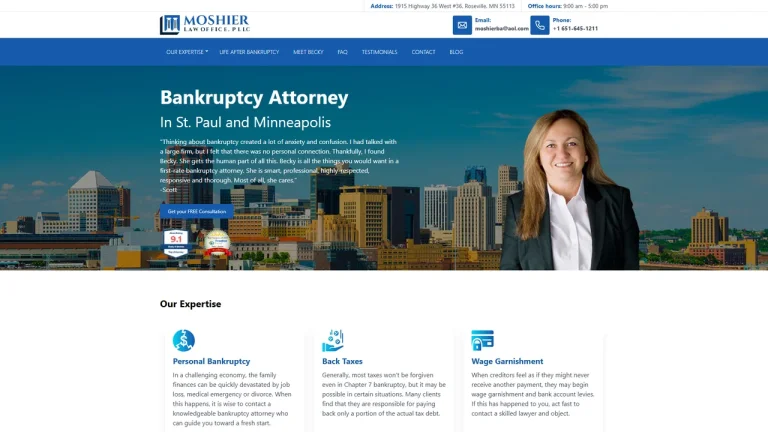
Moshier Law Office, PLLC - St Paul, MN
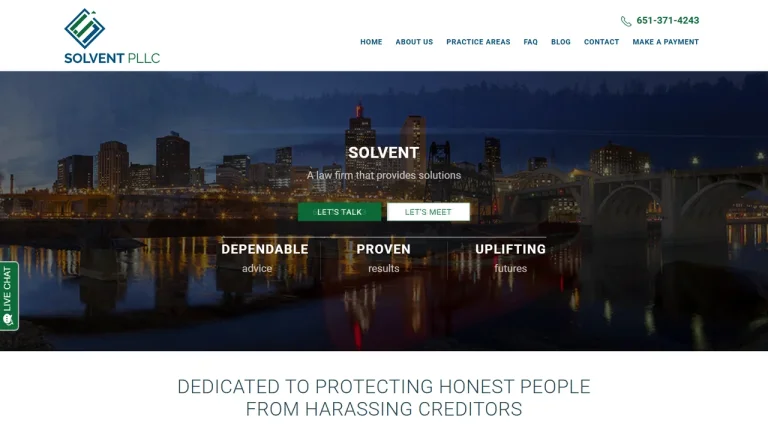
Solvent PLLC - St Paul, MN

Partners Tax Defense - Minneapolis, MN

Partners Tax Attorneys - St Paul, MN

Hoglund Law - Minneapolis, MN

Minneapolis Tax Attorney IRS Tax Settlement - Minneapolis, MN

Dan Cooke, Attorney at Law - Minneapolis, MN
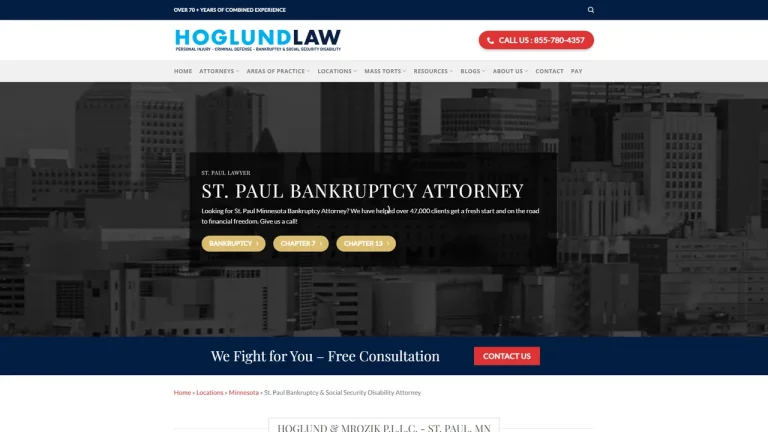
Hoglund Law - St Paul, MN
Murakami Law Firm, LLC - Rochester, MN

Partners Tax Attorneys - Minneapolis, MN
Instant Tax Solutions - Bloomington, MN
Consumer Debt Protections and Court Jurisdictions in Minnesota
In Minnesota, consumer debt defense and creditor resolution are governed by protective state consumer statutes, judicial court rules, and federal debt collection mandates. When consumers face mounting medical debt, defaulted personal loans, or credit card accounts, collection agencies frequently deploy aggressive legal tactics. Retaining dedicated legal counsel allows individuals to demand verification of debt ownership, assert statutory exemptions to shield income, and challenge unlawful collection practices.
Debt collection lawsuits are filed across Minnesota District Courts-including the Hennepin County District Court in Minneapolis, the Ramsey County District Court in St. Paul, the Dakota County District Court in Hastings, and the St. Louis County District Court in Duluth-as well as county Conciliation Courts. Additionally, the Minnesota Department of Commerce licenses and monitors collection agencies and debt settlement organizations under the Minnesota Debt Settlement Services Act.
Working with an attorney admitted to the Minnesota State Bar Association ensures that your statutory consumer protections are fully enforced. Experienced debt relief attorneys evaluate third-party debt buyer assignments, invoke wage garnishment caps under Minnesota law, assert the six-year statute of limitations defense, and resolve balances through negotiated settlements or defensive court litigation.
Minnesota Debt Relief Legal Fee Structures
| Case Scenario | Fee Structure | Estimated Cost (USD) | Key Cost Determinants |
|---|---|---|---|
| District Court Credit Card Lawsuit Defense | Flat Fee or Hourly | $950 - $2,800 | Debt buyer chain-of-title defects, account balance, and motion practice |
| Pre-Suit Debt Settlement Negotiation | Contingency Percentage of Savings | 15% - 25% of Debt Saved | Total debt portfolio, creditor identity, and lump-sum fund availability |
| Wage Garnishment & Bank Levy Exemption Motion | Flat Fee | $600 - $1,500 | Emergency timing, asset documentation, and statutory exemption compliance |
| Fair Debt Collection Practices Act (FDCPA) Lawsuit | Contingency / Statutory Fees | $0 Upfront (Fee-Shifting Statute) | Call log recordings, written collector threats, and statutory violation severity |
Critical Legal Deadlines & Statutes in Minnesota
Consumers facing debt collection actions in Minnesota must comply with critical statutory deadlines to protect income and prevent default judgments:
- Six-Year Statute of Limitations on Debt: Under Minn. Stat. § 541.053, lawsuits to collect consumer credit card debt, revolving lines of credit, or open accounts must be commenced within six years from the date of default or last payment.
- Minnesota Wage Garnishment Ceilings: Under Minn. Stat. § 571.922, wage garnishment is strictly limited to the lesser of 25 percent of disposable earnings or the amount by which weekly earnings exceed 40 times the federal minimum wage.
- Mandatory Pre-Garnishment Notice: Under Minn. Stat. § 571.72, a judgment creditor must serve a garnishment exemption notice on the debtor at least ten days before issuing a garnishment summons to an employer.
- 14-Day Bank Account Exemption Response Window: Under Minn. Stat. § 571.912, a debtor has exactly 14 days after a bank levy notice is mailed to deliver a completed exemption claim form to release protected funds.
- Minnesota Debt Settlement Regulation: Debt settlement services are strictly regulated under Minn. Stat. § 332A.04 and Minn. Stat. § 332.37 to prohibit unfair collection practices and deceptive fees.
- Federal FDCPA Protections: Creditor harassment, deceptive representations, and abusive contact are actionable under 15 U.S. Code § 1692.
Conciliation Court Limits vs. Professional Debt Representation
Minnesota Conciliation Courts operate with a jurisdictional monetary limit of $15,000 under Minn. Stat. § 491A.01 (or $4,000 for specific consumer credit claims). Collection agencies and secondary debt buyers frequently file claims in Conciliation Court, hoping the debtor will fail to appear, resulting in an automatic default judgment.
While consumers are permitted to represent themselves in Conciliation Court, third-party debt buyers rarely possess the original signed credit agreements, billing records, or valid assignments required by law. Furthermore, if a consumer receives an adverse ruling in Conciliation Court, they have only 20 days to file a demand for removal to Minnesota District Court for a complete trial de novo pursuant to Minn. R. Gen. Prac. 521.
Retaining a debt relief attorney levels the playing field against corporate lenders. An attorney examines the chain of title, asserts the six-year statute of limitations under Minn. Stat. § 541.053, files timely exemption motions under Minn. Stat. § 571.912 to protect bank deposits, and negotiates lump-sum settlements that save thousands of dollars.
Red Flags When Hiring a Minnesota Debt Relief Lawyer
- Unlicensed Out-of-State Telemarketing Companies: Avoid non-attorney debt settlement companies operating from call centers that are not licensed under Minn. Stat. § 332A.04 and cannot represent you in court.
- Guarantees of Complete Debt Forgiveness: Beware of companies promising to wipe away 100 percent of your debt without verifying documentation flaws or filing formal legal appearances.
- Advising Inaction on Court Summons: Reject any advisor who recommends ignoring a Minnesota District Court or Conciliation Court summons, as failure to respond guarantees an immediate default judgment and wage levy.
- Excessive Upfront Non-Refundable Retainers: Legitimate debt defense lawyers provide transparent fee agreements with defined milestones rather than taking large payments without actionable legal filings.
Frequently Asked Questions
What is the statute of limitations on credit card debt in Minnesota?
Under Minn. Stat. § 541.053, creditors have six years from the date of your last payment or account default to file a lawsuit. Making a partial payment can restart the six-year statute of limitations clock.
How much of my paycheck can be garnished for consumer debt in Minnesota?
Under Minn. Stat. § 571.922, garnishments cannot exceed the lesser of 25 percent of your disposable earnings or the amount by which your weekly disposable earnings exceed 40 times the federal minimum wage.
What should I do if a creditor freezes my Minnesota bank account?
You have 14 days under Minn. Stat. § 571.912 to fill out and deliver the exemption notice form to your bank and the creditor's attorney, claiming statutory exemptions for government benefits, child support, or protected wages.
What happens if I lose a case in Minnesota Conciliation Court?
Under Minn. R. Gen. Prac. 521, you have 20 days from the date the court administrator mails the notice of judgment to file a demand for removal to Minnesota District Court for a complete new trial.
How are debt relief lawyers paid in Minnesota?
Debt defense lawyers typically charge flat fees for court litigation or motions, or bill on a contingency percentage of the total debt saved through pre-suit negotiations. FDCPA harassment lawsuits are often handled with zero upfront fees under federal fee-shifting statutes.