
Employment & Labor Lawyers in Nebraska
Connect with top-rated Nebraska employment and labor lawyers to protect your workplace rights, recover unpaid wages, and resolve severance disputes statewide. Experienced attorneys safeguard your career under state and federal statutes, frequently resolving complex grievances through structured mediation before reaching trial. Explore our verified statewide directory below to consult an attorney licensed with the Nebraska State Bar Association.

Fiedler Law Firm, P.L.C. - Omaha, NE
Shiffermiller Law Office - Lincoln, NE
Legal Aid of Nebraska - Omaha, NE
Merrick Law Firm LLC - Omaha, NE

Lamson Dugan & Murray LLP - Omaha, NE
Baird Holm LLP - Omaha, NE

Susan K. Sapp - Lincoln, NE
Erickson | Sederstrom P.C., L.L.O. - Omaha, NE
Crosby Guenzel, LLP - Lincoln, NE

Jill Jensen Law, L.L.C. - Lincoln, NE
Baylor Evnen Wolfe & Tannehill, LLP - Lincoln, NE
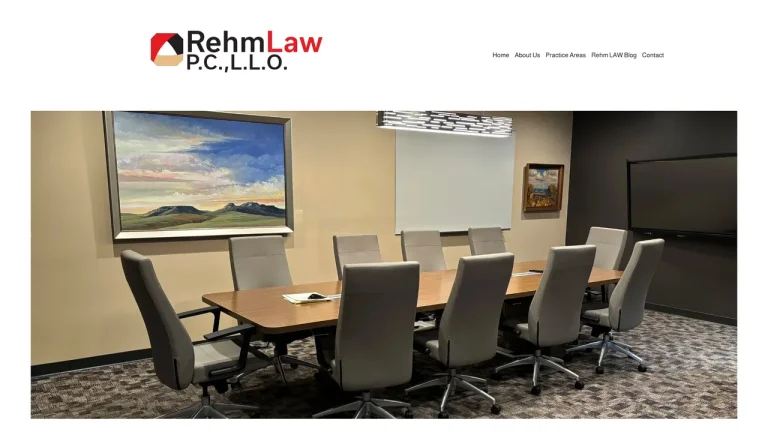
Rehm Law Firm, P.C., L.L.O. - Lincoln, NE

DUGGAN BERTSCH - Omaha, NE

Waggoner Law Office - Lincoln, NE
Koley Jessen P.C., L.L.O - Omaha, NE
Testan Law - Omaha, NE

Pansing Hogan Ernst & Buser LLP - Omaha, NE
Powers Law Lincoln, NE
Mattson Ricketts Law Firm - Lincoln, NE

Resolute Law, LLC - Omaha, NE
Erickson Sederstrom PC LLO Lincoln, NE

Perry, Guthery, Haase and Gessford, P.C., L.L.O. - Lincoln, NE

Michael Best & Friedrich LLP, Lincoln, NE
Protecting Workplace Rights Under Nebraska and Federal Labor Laws
Employment relationships in Nebraska operate primarily under the employment-at-will doctrine, which allows employers to terminate employment without cause, provided the dismissal does not violate specific statutory protections or established public policy exceptions. Whether representing corporate employees in Omaha's commercial core in Douglas County, healthcare professionals and state workers in Lincoln in Lancaster County, or manufacturing and agricultural labor forces across Hall County and Buffalo County, seasoned legal counsel is vital for balancing employer power with worker rights.
Workplace dispute resolution in Nebraska is enforced through both state and federal administrative bodies and court systems. Discrimination and civil rights claims are investigated by the Nebraska Equal Opportunity Commission (NEOC) alongside the federal Equal Employment Opportunity Commission (EEOC). Where formal litigation becomes necessary, attorneys admitted to the Nebraska State Bar Association initiate proceedings in Nebraska District Courts across the state's 12 Judicial Districts or the U.S. District Court for the District of Nebraska in Omaha and Lincoln. Skilled advocates evaluate employment contracts, contest unlawful retaliation, and negotiate out-of-court settlements that protect employee careers.
Nebraska Employment Law Service Scenarios and Fee Structures
| Case Scenario | Fee Structure | Estimated Cost (USD) | Key Cost Determinants |
|---|---|---|---|
| Severance Package Review & Executive Negotiation | Flat Fee or Hourly | $750 - $2,500 | Severance agreement length, non-compete enforceability, executive compensation tiers |
| NEOC & EEOC Administrative Charge Representation | Flat Fee or Contingency (25% - 33%) | $1,500 - $4,500 (or contingency) | Documentation volume, witness corroboration, employer conciliation willingness |
| Nebraska Wage Payment & Collection Act Lawsuit | Contingency (33% - 40%) or Statutory Fee | $0 upfront (Contingency) | Unpaid overtime scale, statutory penalty claims, payroll record complexity |
| Federal Discrimination or Whistleblower Litigation | Contingency or Hourly ($275 - $525/hr) | $20,000 - $75,000+ (if hourly) | Deposition schedule, summary judgment motions, expert economic damage analysis |
Critical Legal Deadlines & Statutes in Nebraska
Navigating employment claims in Nebraska requires strict adherence to statutory filing deadlines. Under the Nebraska Fair Employment Practice Act (NFEPA), codified at Neb. Rev. Stat. § 48-1101 et seq., an aggrieved employee must file a formal charge of discrimination with the Nebraska Equal Opportunity Commission within 300 days of the alleged discriminatory act pursuant to Neb. Rev. Stat. § 48-1118. Dual filing with the federal EEOC preserves parallel federal rights. Following the conclusion of administrative proceedings and the issuance of a Notice of Right to Sue, a federal civil lawsuit must be filed within 90 days under 42 U.S. Code § 2000e-5(f)(1), or pursued through state court under Neb. Rev. Stat. § 20-148.
For wage disputes, the Nebraska Wage Payment and Collection Act, codified at Neb. Rev. Stat. § 48-1228 et seq., mandates timely payment of earned compensation and fringe benefits upon separation. Wage claims are governed by the statute of limitations in Neb. Rev. Stat. § 25-219, requiring claims for unpaid wages to be commenced within three years. Breach of written employment agreements carries a five-year limitation period under Neb. Rev. Stat. § 25-205, while oral contracts must be brought within four years under Neb. Rev. Stat. § 25-206. Common law wrongful discharge claims asserting public policy exceptions must be initiated within four years pursuant to Neb. Rev. Stat. § 25-212.
Small Claims Limitations vs. Nebraska District Court Litigation
In Nebraska, Small Claims Courts operate as divisions of County Courts with a monetary ceiling capped at $7,500 under Neb. Rev. Stat. § 25-2802. A distinctive feature of Nebraska small claims practice is that under Neb. Rev. Stat. § 25-2803, attorneys are prohibited from appearing or representing parties in small claims hearings. Small claims tribunals lack jurisdiction to grant equitable relief, order workplace reinstatement, or award damages for emotional distress and front pay.
Employment disputes involving systemic discrimination, sexual harassment, or retaliatory discharge exceed the scope and financial limit of small claims proceedings. Defending against corporate employers requires seasoned legal counsel in Nebraska District Courts or the U.S. District Court for the District of Nebraska. Dedicated attorneys utilize the Nebraska Court eFiling system, conduct depositions under court rules, compel production of internal company communications, and defeat dispositive motions for summary judgment to recover back wages and statutory damages.
Red Flags When Hiring a Nebraska Employment Attorney
- Missing the 300-Day NEOC Filing Window: Ensure counsel prioritizes the mandatory 300-day deadline under Neb. Rev. Stat. § 48-1118, as late filings extinguish discrimination claims permanently.
- Promising Guaranteed Trial Verdicts in At-Will Disputes: Nebraska courts strictly enforce at-will employment; ethical attorneys provide realistic assessments of statutory exceptions.
- Unclear Litigation Cost Terms: Verify whether deposition expenses, court reporter fees, and expert witness charges are deducted before or after calculating the attorney contingency fee.
- Lack of Federal District Court Admission: Confirm your attorney is admitted to practice before the U.S. District Court for the District of Nebraska, as corporate defendants routinely remove claims to federal court.
Frequently Asked Questions
What is the employment-at-will rule in Nebraska?
Under Nebraska law, an employment relationship without a specified duration is terminable at the will of either party. An employer may discharge an employee for any reason or no reason, provided the termination does not violate anti-discrimination statutes, employment contracts, or recognized public policy exceptions, such as reporting illegal acts or filing a workers' compensation claim.
How long do I have to file a discrimination claim with the NEOC?
In Nebraska, you must file a formal charge of workplace discrimination with the Nebraska Equal Opportunity Commission (NEOC) within 300 days of the date the discriminatory conduct occurred. Filing with the NEOC also preserves your claims under federal law through a work-sharing agreement with the EEOC.
Can I recover attorney fees under the Nebraska Wage Payment and Collection Act?
Yes. If an employee successfully recovers unpaid wages through a judgment under the Nebraska Wage Payment and Collection Act, the court is authorized to award reasonable attorney fees and court costs in addition to the unpaid wages and potential statutory penalties.
Are non-compete agreements enforceable under Nebraska employment law?
Nebraska courts view restrictive covenants with disfavor and enforce them only if they are reasonable in duration and geographic scope, and strictly necessary to protect legitimate business interests. Under Nebraska judicial doctrine, courts will not modify or blue-pencil an overly broad non-compete covenant; if any part is unreasonable, the entire agreement is void.
What damages are available in a Nebraska wrongful termination action?
Depending on the statutory basis of the claim, a prevailing employee may recover back pay with interest, front pay in lieu of reinstatement, value of lost benefits, compensation for emotional distress, and reasonable attorney fees under state and federal civil rights laws.